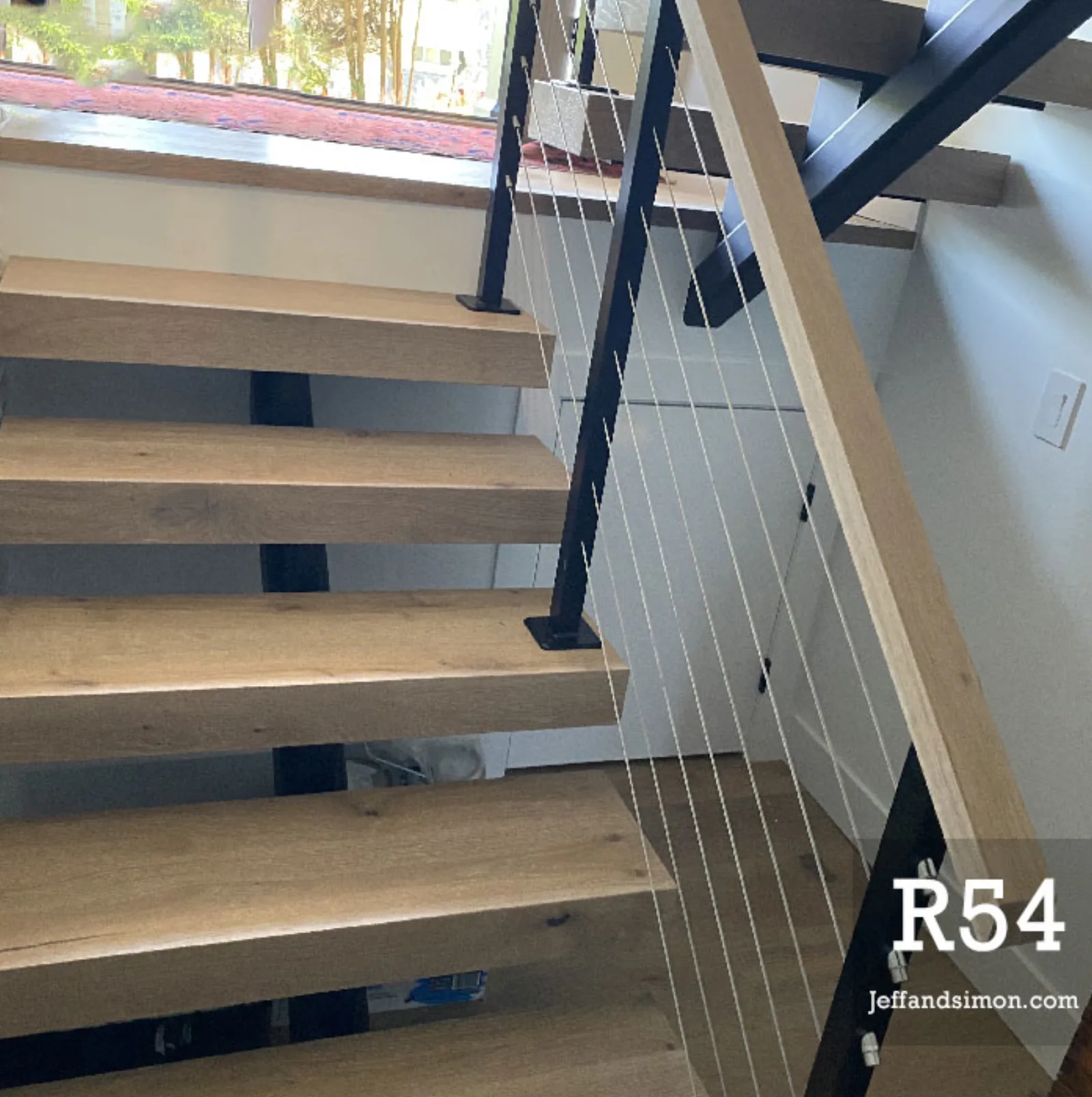
Metal stairs and railings in Langley.
Langley work often includes new custom homes, acreage gates, exterior stairs, and growing commercial or mixed-use metalwork.
Langley is two municipalities, not one. The City of Langley is a small, denser urban core built around Langley City Centre and the corridor along the Fraser Highway. The Township of Langley wraps around it and covers a much larger area, from Walnut Grove and Willoughby in the north down through Murrayville, Brookswood, and out to Aldergrove on the eastern boundary. The two share a name and a postal pattern, but they run separate building departments, separate bylaws, and separate planning files.
That split is the first decision driver on any Langley stair or metalwork project. Before a quote can be firm, the address has to be confirmed against the right jurisdiction. A misfiled permit is the most common avoidable delay we see on this side of the Fraser Valley, and it tends to surface late, after drawings are already in review at the wrong office. The notes below cover what changes from one part of Langley to the next, and what stays the same.
Building stock shapes the stair scope.
Willoughby is where most of the new single-family and townhouse stock has gone since the early 2010s. The Township's own community plan area covers a development zone designated for substantial population growth, and the result on the ground is recognisable: rows of three-storey townhouse blocks, spec single-family homes on tighter lots, and low-rise apartment buildings along the arterials. Stair scopes here are usually feature staircases for semi-custom or fully custom builds. A mono stringer with open risers and a glass or cable guard is a common ask. So is a conventional steel stringer with picket guards where the budget needs to land closer to a builder's standard package.
Brookswood and Murrayville sit further south and read very differently. Larger lots, mature trees, and a mix of older ranchers, mid-century homes, and new custom builds on acreage parcels. Projects in these neighbourhoods skew toward longer driveway gates sized to take farm or landscaping equipment, exterior stair runs from grade to a deck or main floor, outbuilding metalwork for shops and barns, and the occasional canopy or covered entry. Indoor staircase work in this part of the Township is more often a renovation scope than a new build, opening up a closed stringer to a feature stair, or replacing a wood guard with cable or glass.
Fort Langley, on the Fraser River north of Highway 1, is a heritage village with a Heritage Conservation Area designation. Any visible exterior alteration in the heritage area is reviewed against design guidelines and, in many cases, against the Township's Heritage Advisory Committee process. Steel work that reads from the street, exterior stair guards, railings, gates, canopies, has to be drawn in a vocabulary that fits the period architecture rather than the contemporary mono stringer language used in Willoughby. Interior stairs are mostly unconstrained, but anything attached to a designated structure needs more upfront coordination. Aldergrove, on the eastern edge of the Township, is semi-rural and mixes acreage homes with small commercial pockets. The City of Langley downtown is its own scope again: smaller commercial fit-outs, lobby stairs in mixed-use buildings, and exterior egress work for older multi-tenant properties.
Climate exposure decides the finish strategy.
Langley is inland Fraser Valley climate, not coastal. The marine influence drops off noticeably east of Surrey, which changes the finish conversation on exterior steel. The salt-laden air that drives finish decisions on the North Shore and out toward West Vancouver is not the same factor here. Rain is still the dominant exposure, Langley gets the same long wet shoulder seasons as the rest of the Lower Mainland, but the freeze-thaw cycling runs slightly harder than what we see closer to the water. Overnight lows dip below zero more often, and standing water on horizontal surfaces can freeze and thaw in the same week through midwinter.
That changes a few things for exterior assemblies. Horizontal tread surfaces and base plates need to shed water cleanly rather than pond. Weep holes and drainage gaps in hollow sections are worth the extra fabrication step. Powder coat over a properly prepared substrate holds up well in this climate, but the prep matters more than the topcoat colour: surface contamination, mill scale, or a thin zinc-rich primer will fail at the freeze-thaw line within a few seasons. For acreage work in Brookswood, Murrayville, or Aldergrove, driveway gates, exterior stairs, agricultural canopies, hot-dip galvanizing under powder coat is the finish we typically specify for anything exposed to weather on multiple sides.
Interior stairs are a finish conversation rather than a corrosion one. Powder coat is the default for indoor steel in Langley new builds. Hand-rubbed finishes and clear-coated raw or blackened steel show up on the higher-end Willoughby and Brookswood custom builds where the design language calls for it, but they ask more of the install crew because the finish is unforgiving of scuffs. The decision usually comes down to how the stair will live with the surrounding finished work, flooring, drywall, glass, and how willing the GC is to coordinate protection through the rest of the build. Snow load on roofed canopies and covered exterior stairs is a separate structural input; confirm the local design value with the engineer of record before fabrication, because Township and City pockets sit at slightly different elevations and adjacent municipalities can carry different ground snow loads.
The scopes we see most in Langley.
Feature staircases for Willoughby new builds are the most consistent residential ask. The geometry is usually a straight or L-shaped run between the main floor and the upper floor, occasionally with a half-landing where the plan calls for it. A mono stringer with open risers is the common modern request, paired with a glass guard or a cable infill guard depending on budget. Conventional double-stringer steel with picket guards covers the rest of the new-build feature stair work, especially where the design language is transitional rather than fully contemporary. In both cases the decisions that matter, stringer section size, tread thickness, guard attachment, the floor connection at top and bottom, get resolved before steel is ordered, not in the field.
Driveway gates for acreage properties in Brookswood, Murrayville, and Aldergrove are a separate product category with its own constraints. Spans are usually longer than what a typical suburban gate needs to handle, because the gate has to clear farm equipment, landscaping trailers, or wider service vehicles. That changes the post sizing, the swing geometry or slide track, and the automation hardware. A gate that works on a 12-foot urban driveway will sag and bind on an 18- or 20-foot acreage opening. The conversation starts with the actual clear opening and the heaviest vehicle that has to pass through, and works back from there to section sizes and operator specs.
Fort Langley work is its own scope again, reproduction-style railings, carefully proportioned exterior guards, and steel detailing that reads correctly against the period architecture. The fabrication is not technically harder than a contemporary stair, but the design review is heavier and the iteration cycle is longer. Allow more time at the front end for drawings, samples, and committee review. City of Langley downtown work runs to smaller commercial fit-outs and lobby stairs in mixed-use buildings: code-driven multi-storey runs, switchback geometries, picket or rod-infill guards sized to commercial guard load, and a higher proportion of welded-and-engineered detail than the residential side. In all four scope categories, the structural stair drawings are typically signed and sealed by a professional engineer of record submitting a Schedule B against the building permit.
Lower-volume but recurring scopes round out the work: canopies over front entries, awnings and covered exterior stair runs, exterior egress stairs on older commercial buildings, outbuilding metalwork in the acreage neighbourhoods, and the occasional strata railing replacement on lower-rise multifamily. Each one starts with the same diagnostic: confirm the jurisdiction, confirm the loading and the exposure, confirm what the surrounding finished work demands of the steel, and confirm site access before quoting a fixed price.
Permit and AHJ workflow.
Permit workflow forks at the property line. Single-family renovation work inside an existing dwelling, replacing a stair, swapping a guard, opening a closed stringer, often falls under a building permit issued by the relevant jurisdiction's building department, sometimes alongside structural changes that require engineered drawings. New builds, additions, and any work that changes the structure or the means of egress will need a permit and, for the stair structure, typically a sealed structural drawing with a Schedule B from the engineer of record. Schedule B is the BC Building Code form a registered professional uses to commit to design and field review of their portion of the work; the structural engineer files it before the permit issues and follows up with field reviews and a Schedule C-B at occupancy. This article is not a substitute for code review by the authority having jurisdiction.
In the Township of Langley, residential building permit submissions go through the Township's building department, and any project in Fort Langley's Heritage Conservation Area also requires a Heritage Alteration Permit for visible exterior changes. The Heritage Building Façade Design Guidelines are non-binding policy reference rather than bylaw, but the Heritage Advisory Committee review still adds calendar time and may push back on detailing that does not read as period-appropriate. In the City of Langley, the City's Development Services Department handles building permits and licensing. Confirm with the relevant office which schedules, drawings, and supporting documents are required for the specific scope before submission, requirements can update between code cycles and between municipalities.
Coordination, access, and delivery.
Drive time matters on Langley jobs. From the Burnaby shop to a Willoughby site is usually 45 to 60 minutes each way on Highway 1, longer in commuter peaks and longer still when the bridge or the highway is moving badly. Acreage sites in Brookswood, Murrayville, or Aldergrove run closer to 60 to 75 minutes. A site visit is a half-day commitment, not an hour, and the install schedule has to account for it. We try to consolidate measurement visits, drawing reviews, and any pre-install walk-through into one trip rather than three.
Site access on acreage projects is usually generous, long driveways, room for a truck and a trailer, and somewhere to stage materials away from the finished work. Willoughby new builds are tighter: narrower lots, finished landscaping nearby, and other trades already on site by the time the stair is ready to drop in. Fort Langley installs add the heritage layer, careful approach to the building, protection of adjacent historic fabric, and sometimes a constrained vehicle route through the village. In all cases, send photos of the access route and any low clearances or tight turns before the install day so the right vehicle and the right rigging arrive the first time.
How to start a Langley project.
Send the project address, the actual jurisdiction (Township or City of Langley), drawings or photos of the opening, and a note on the target finish. From there the conversation becomes a real fabrication scope rather than a guess. Confirm permit requirements directly with the authority having jurisdiction before drawings are finalised.
Neighbourhoods we work in.
Willoughby, Fort Langley, Murrayville, Brookswood, Walnut Grove, Aldergrove.
City signals
Drive time: 45-70 minutes
Snow load signal: 1.6 kPa
Adjacent cities: Surrey, Abbotsford, Maple Ridge
Shop: 2544 Douglas Road #106, Burnaby BC
Popular Langley product routes.
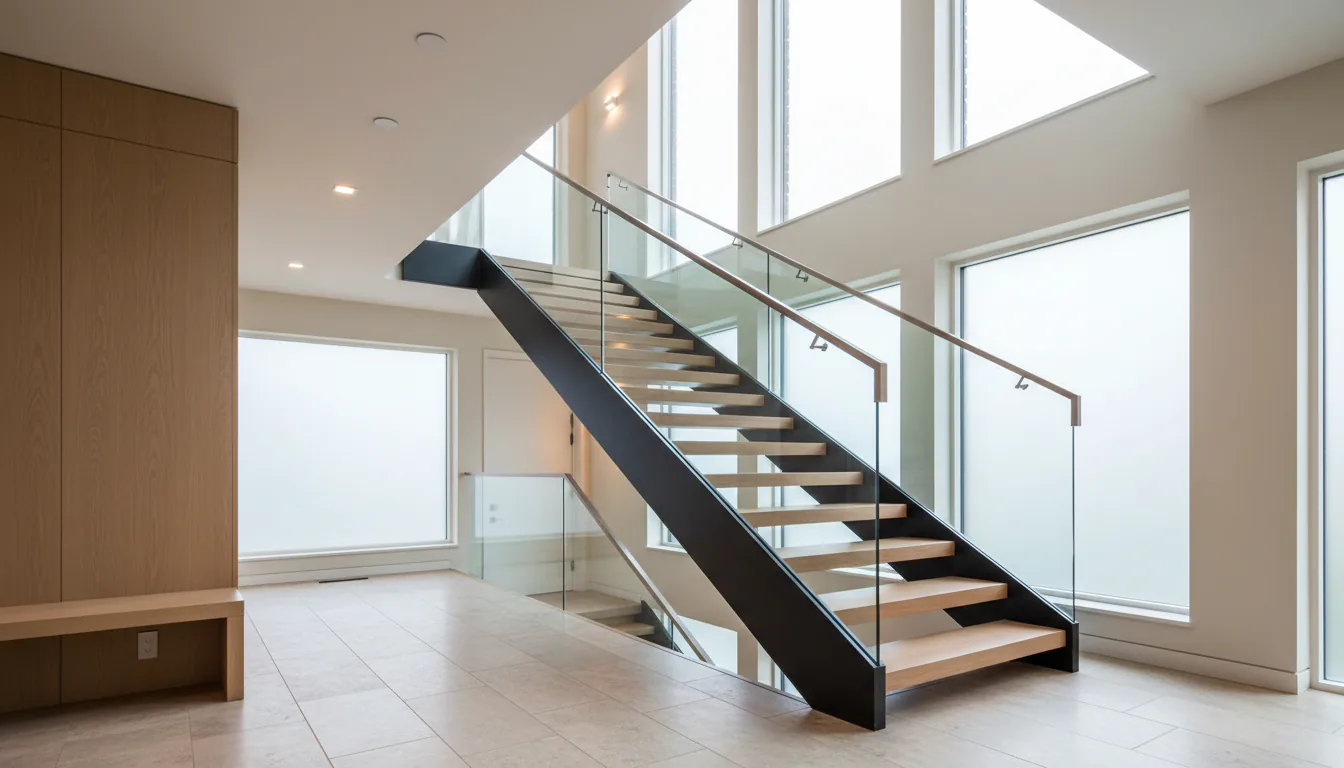
Residential Staircase
Designed for Langley sites, pricing, local planning notes, and finish guidance on the product page.
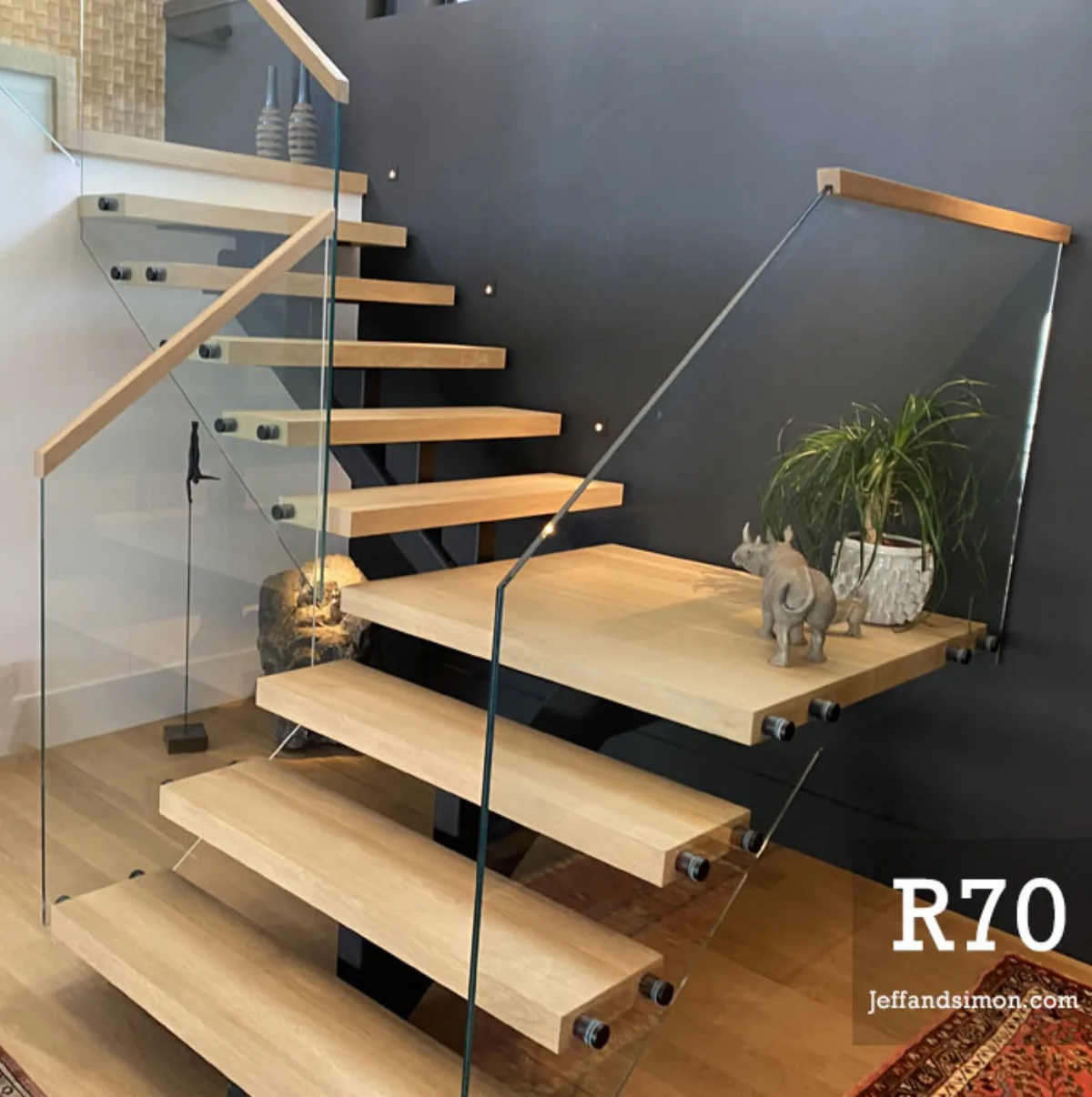
Mono Stringer Staircase
Designed for Langley sites, pricing, local planning notes, and finish guidance on the product page.
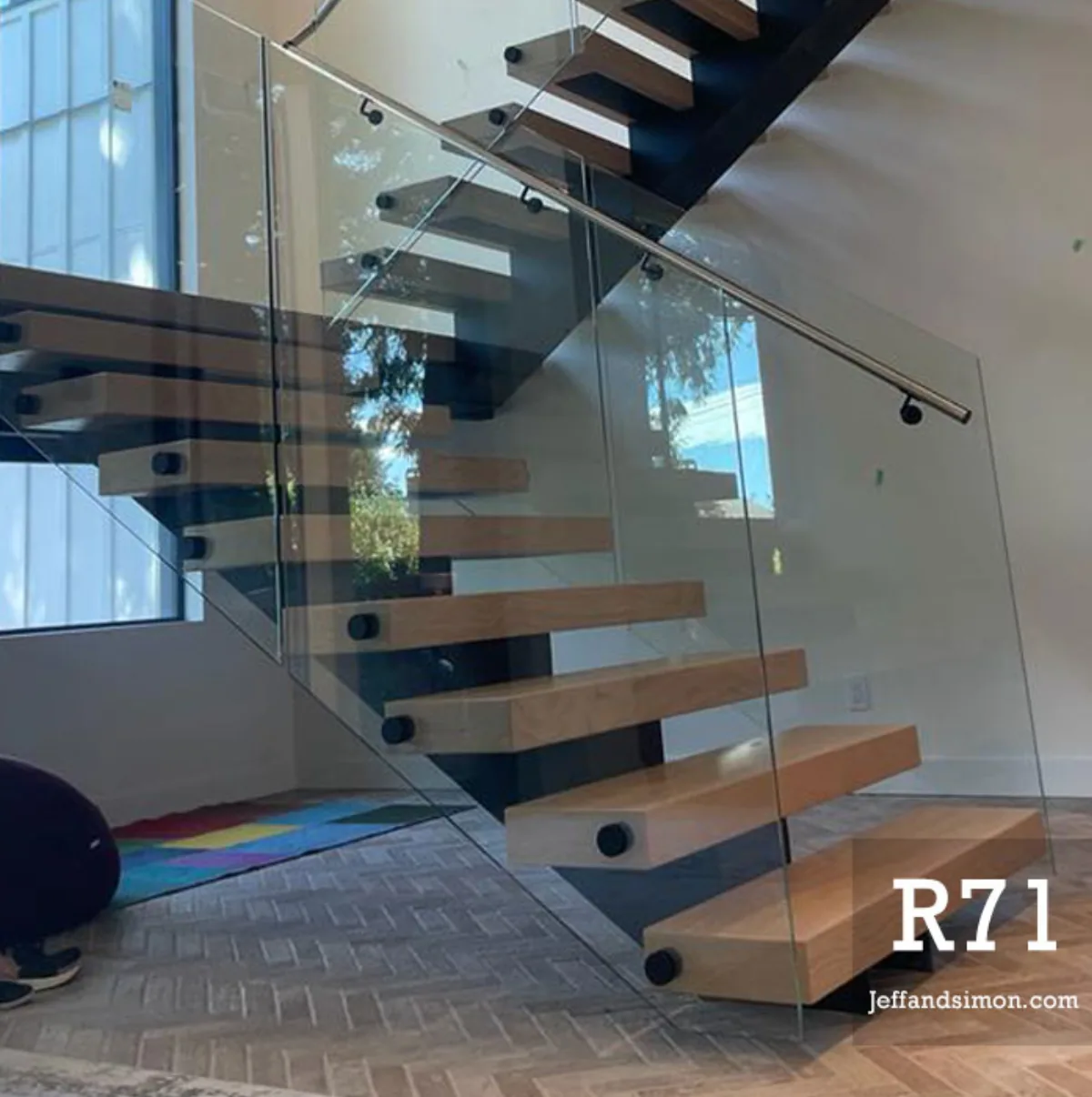
Floating Staircase
Designed for Langley sites, pricing, local planning notes, and finish guidance on the product page.
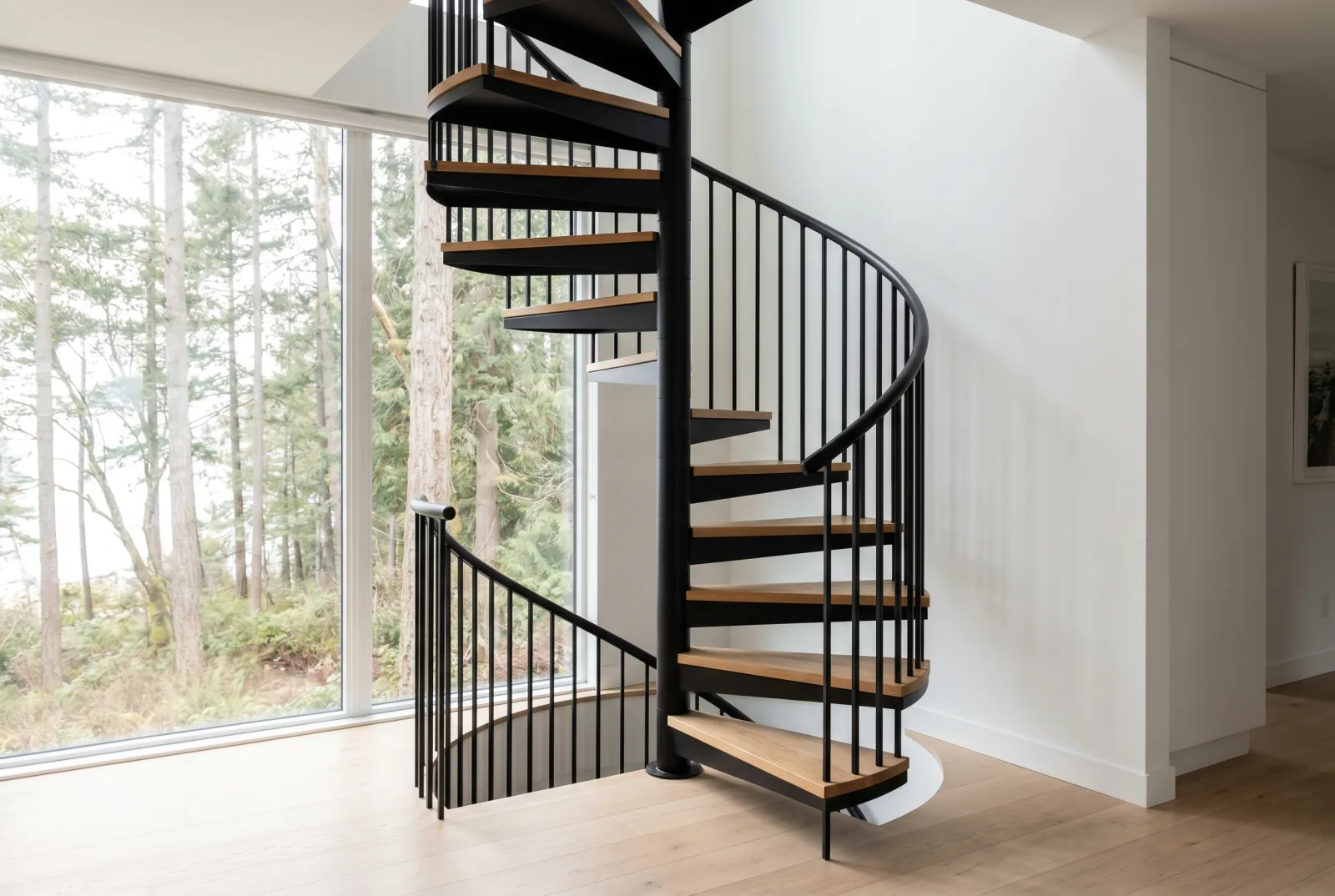
Spiral Staircase
Designed for Langley sites, pricing, local planning notes, and finish guidance on the product page.
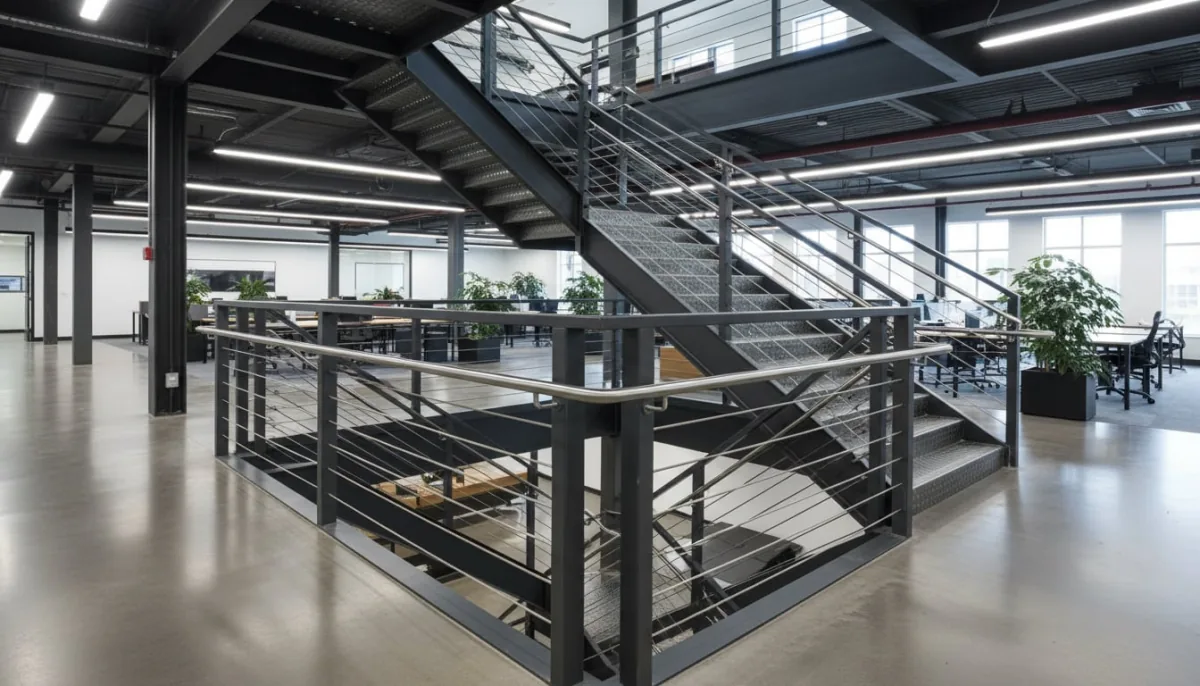
Cable Railings
Designed for Langley sites, pricing, local planning notes, and finish guidance on the product page.
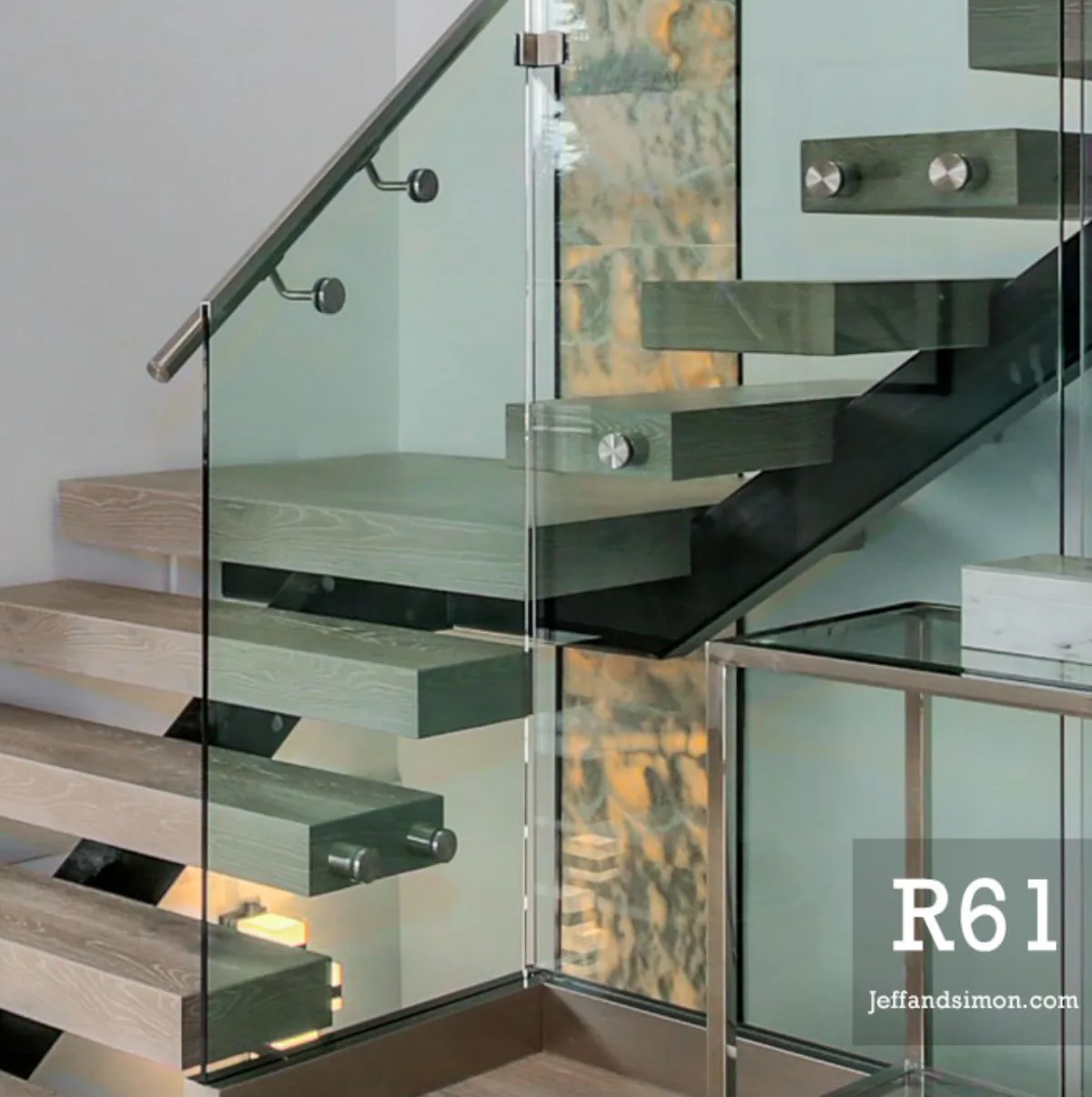
Glass Railings
Designed for Langley sites, pricing, local planning notes, and finish guidance on the product page.
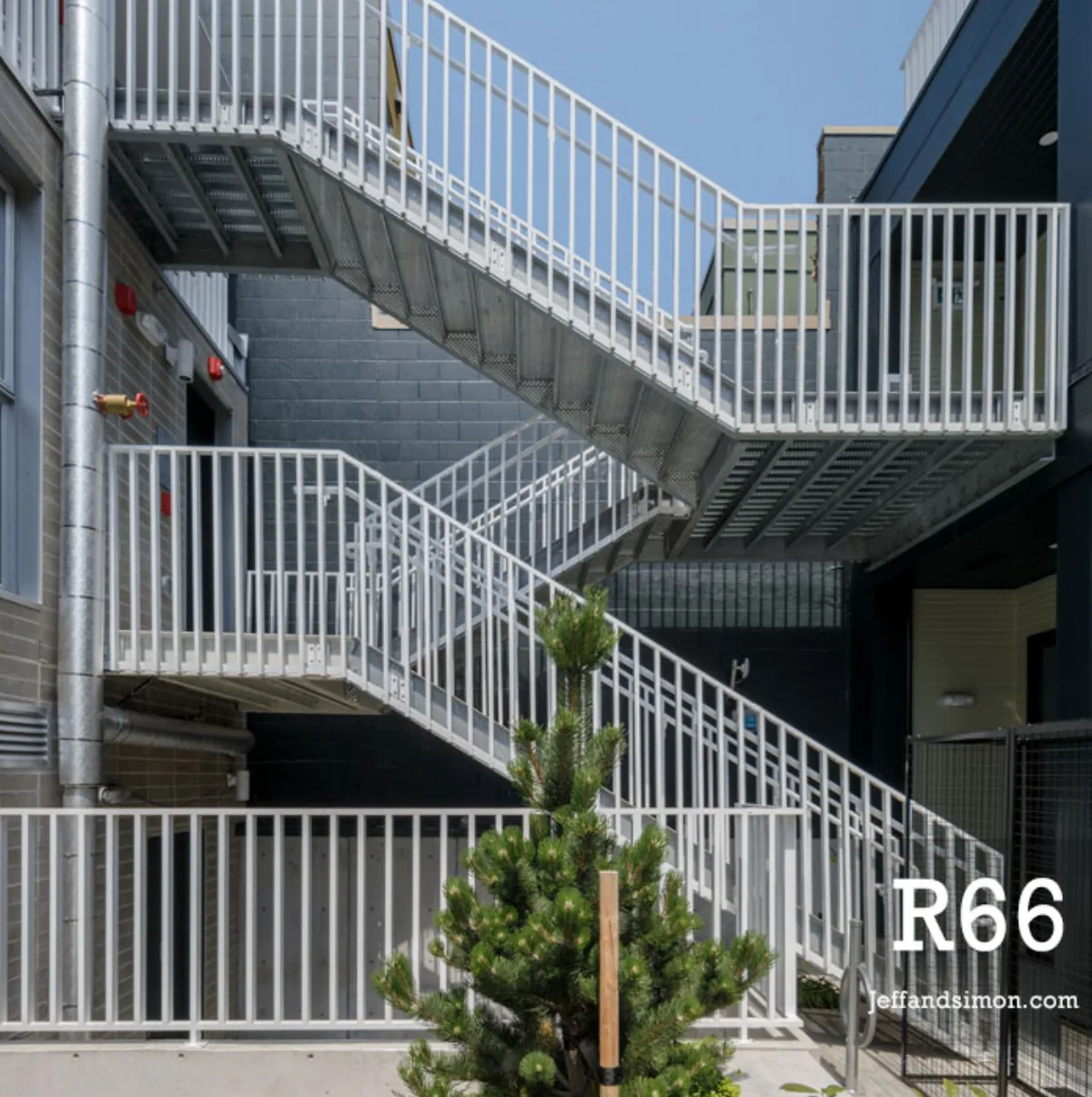
Strata Railings
Designed for Langley sites, pricing, local planning notes, and finish guidance on the product page.
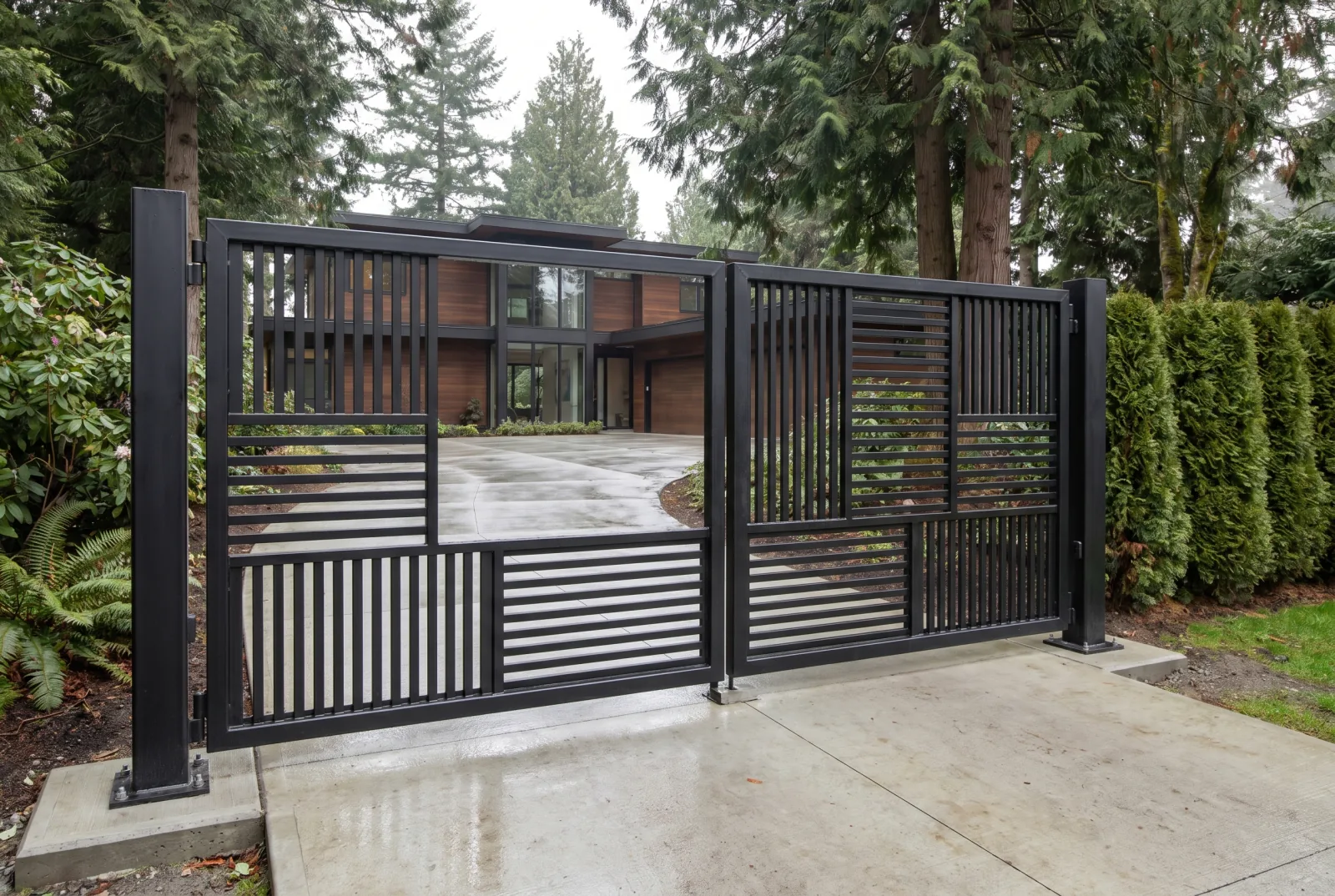
Driveway Gates
Designed for Langley sites, pricing, local planning notes, and finish guidance on the product page.
Langley project questions.
How does Langley's mix of Township and City jurisdictions affect permit coordination?
Township of Langley and City of Langley are separate jurisdictions with different permit offices. Fort Langley falls under the Township; parts of Aldergrove and Willoughby straddle the boundary. We confirm the applicable authority at the quote stage and route permit submissions to the right office, this is easy to get wrong and delay a project.
Are acreage properties in Langley suitable for gate and canopy projects?
Yes, and they're one of the more common project types in Brookswood and Murrayville. Acreage properties often need wider gate openings for equipment access, longer driveway runs, and outbuilding connections that don't apply on urban lots. We scope these projects with the site's actual use in mind, not standard residential assumptions.
How far is Langley from the Vancouver Stairs shop?
Langley is typically 45–70 minutes from our Burnaby shop depending on traffic and the specific destination. We factor travel time into the installation schedule and plan deliveries to minimize the number of site visits, important for acreage and large-lot projects where the site visit itself is a half-day commitment.
Other areas we serve.
Vancouver Stairs fabricates and installs from our Burnaby shop across the Lower Mainland, North Shore, Tri-Cities, Fraser Valley, and Sea-to-Sky.
Planning guides for your project.
Plan a metal stair or railing project in Langley
Send drawings, photos, or a rough scope and we will help define the practical next step.