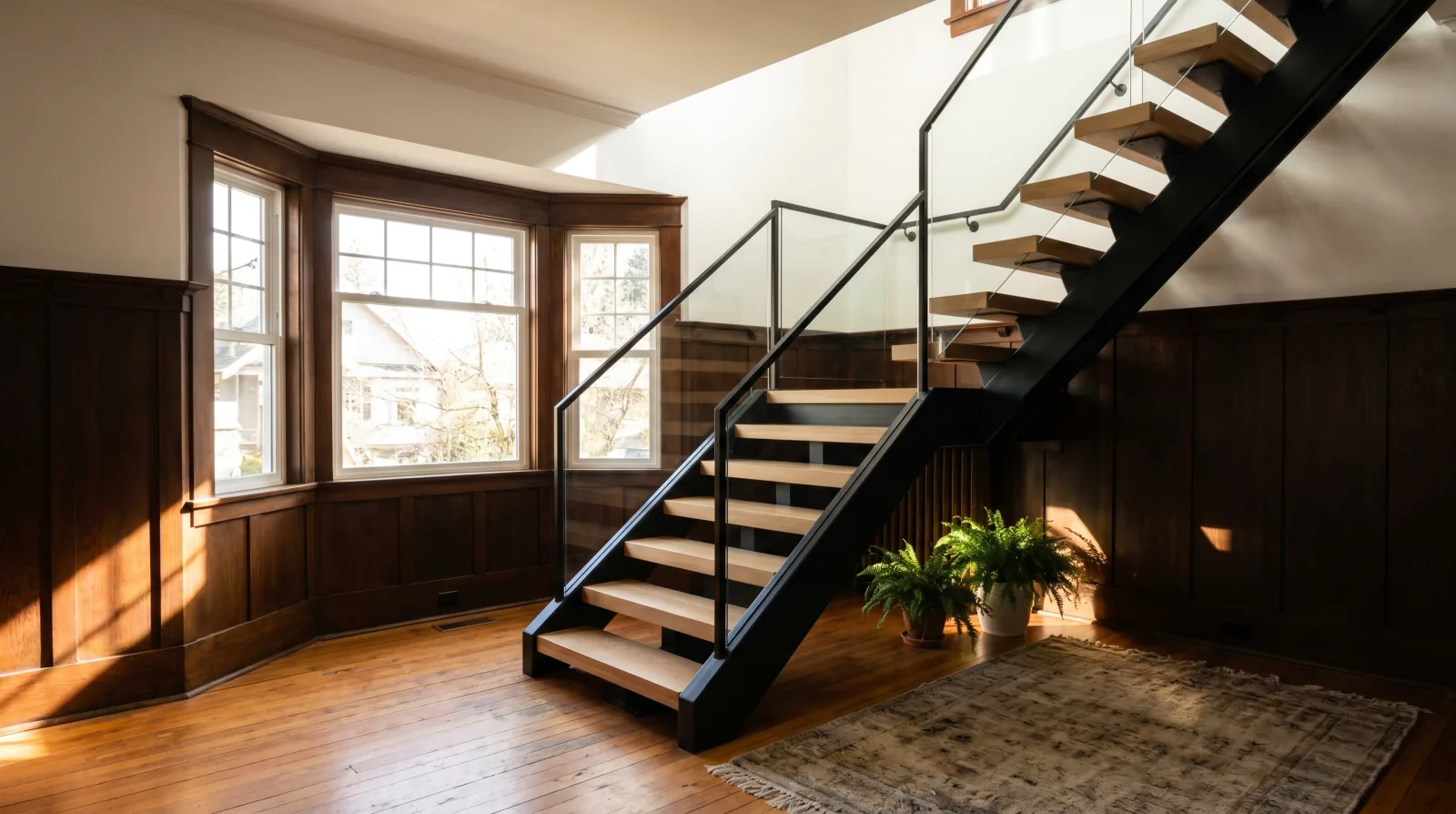
Metal stairs and railings in Vancouver.
Vancouver projects often combine older home structure with modern design expectations, so stair and railing details need careful measurement and drawing coordination.
Vancouver is the densest, oldest, and most varied stair market in the Lower Mainland. A single week of fabrication can move from a balloon-framed Craftsman in Kitsilano, to a concrete loft in Mount Pleasant, to a Part 3 commercial fit-out in Coal Harbour. The structure under the stair changes from job to job, and the design expectations almost always run ahead of what the existing opening can carry. That is the recurring theme on Vancouver work: the drawing is modern, the building is not, and the steel has to bridge the two.
City of Vancouver also has its own building by-law that runs in parallel with the BC Building Code, with separate forms and a separate review process. That changes how shop drawings are released, who stamps what, and when the engineer's site reviews happen. The neighbourhoods covered below, Kitsilano, Point Grey, Dunbar, Kerrisdale, Mount Pleasant, East Vancouver, Yaletown, and Coal Harbour, each carry their own structural quirks, and the rest of this page works through the ones that actually change a stair scope.
Building stock shapes the stair scope.
A large share of the West Side housing stock was built before 1940. The City classifies pre-1940 homes as "character" houses, and they are concentrated in Kitsilano, Dunbar, Kerrisdale, Point Grey, and parts of Mount Pleasant. These are mostly wood-framed Craftsman, California bungalow, and early Edwardian houses on full basements. The original stair openings were sized for closed-stringer wood stairs with bullnose treads, and the joists framing those openings were sized for the dead load of that wood stair. When the same opening has to carry a steel mono stringer or a cantilevered floating stair, the existing trimmer joists and headers rarely have enough capacity. Re-framing the opening is part of the scope before any steel is ordered.
Post-war Vancouver, roughly 1945 through the late 1970s, produced the Vancouver Special and a wide band of stucco-and-frame infill across East Vancouver, Renfrew, Hastings-Sunrise, and South Vancouver. These houses use platform framing with shallower floor systems and shorter spans. The stair runs are tight, the headroom is borderline by current code, and the landings often sit directly over a load-bearing wall. Replacing the central scissor stair with a modern open-tread design is common here, but it almost always pushes the new opening into a new framing layout. The steel scope grows because the wood scope grows.
Modern infill is the other half of the city. Laneway homes, second small detached houses built on the lane side of a standard lot, are limited by zoning to 0.16 to 0.25 FSR and a maximum floor area near 900 sq ft (vancouver.ca, confirm with the authority having jurisdiction). Stair openings in a laneway are typically 800 to 950 mm wide, often turning into a loft. Tolerances drop to roughly ±3 mm because there is no wall thickness to absorb error. Across False Creek, Coal Harbour, and Yaletown, the work shifts entirely to concrete towers and Part 3 commercial buildings, where the stair is bolted to a slab edge or post-tensioned deck and the connection design is governed by the structural engineer of record rather than by what the lumber will take.
Climate exposure decides the finish strategy.
Vancouver International Airport records about 1,189 mm of rain per year (Environment Canada climate normals). That is the figure used for projects on the flat city plate. The same storm system delivers materially more rain on the upper slopes, North Vancouver readings near the base of Grouse Mountain run roughly twice the airport number, so finish decisions on the Vancouver side of the inlet should not be borrowed directly from North Shore details. The wet season runs from October through March, and exterior steel installed in November is essentially being commissioned in the weather it has to survive.
Coastal exposure in the City of Vancouver is moderate, not high. Marine salt is present in the air, particularly along the Kits Point, Jericho, Coal Harbour, and False Creek shorelines, but the chloride load on a Kitsilano front porch is not the same as a Dundarave or Ambleside install. The finish strategy that follows: hot-dip galvanizing to ASTM A123 for exterior structural steel, with a duplex topcoat where the visible finish matters. Powder coat over a sweep-blasted galvanized surface holds up well to a typical Vancouver wet-dry cycle. Bare uncoated steel exposed to the rain will show rust bloom in a single winter.
Interior steel is a different conversation. Inside a heated, sealed Yaletown loft or a Kitsilano renovation, the corrosion risk is low and the finish choice is driven by the look the architect is after. A blasted SA 2.5 surface with a single coat of zinc primer and a polyester powder coat in a flat or satin sheen is the common detail. Black is still the most-requested colour. Bronze and warm grey come up regularly on West Side projects where the stair has to sit next to oak treads or rift-cut walnut cabinetry. Mill scale left visible, sometimes asked for in industrial-loft conversions, needs a clear matte sealer or it transfers onto socks and floors for the first year.
The scopes we see most in Vancouver.
Mono stringer stairs, one central steel beam, treads cantilevering equally on both sides, open risers, are the most common feature stair on Vancouver work. In Mount Pleasant and East Vancouver lofts, the stringer is often an HSS section, typically a tube in the 200 to 300 mm range, sized by the engineer for the span and the cantilever depth of the treads. The same beam pattern shows up paired with a steel mezzanine in converted warehouses south of Broadway and along Industrial Avenue, where the stair and the mezzanine share a column line and the connection design has to be reconciled in one drawing set.
Floating stairs and cantilevered stairs come up most often on the West Side and in Shaughnessy and Point Grey renovations. "Floating" is a visual category, not a structure: the support strategy might be wall-anchored treads embedded into a reinforced stud bay or CMU pocket, a stringer hidden behind a drywall return, or a structural spine concealed inside a feature wall. Each option drives a different scope. Wall-anchored treads need a continuous, engineered support wall, a steel-reinforced wood frame or block, and they need that wall agreed before drywall is closed. A hidden stringer keeps the visual but is much easier to install and is usually faster to a stamped design.
Commercial stair work in False Creek, Coal Harbour, downtown, and the Broadway corridor falls under BC Building Code Part 3 rather than Part 9, since these are buildings over 3 storeys or over 600 m² in area (bccodes.ca, confirm with the authority having jurisdiction). That distinction changes everything: guard heights, riser uniformity, handrail extensions, run width, headroom, and tactile attention indicators are reviewed against the Part 3 occupancy classification, and the stair is part of the building's egress strategy. The engineer's structural design, the architect's code review, and the fabricator's shop drawings all have to land in the same place before steel is released. Tenant improvements in older Yaletown and Gastown brick-and-beam buildings are a common variation, new internal stair, existing heavy-timber structure, and a Part 3 egress requirement layered on top.
Permit and AHJ workflow.
The City of Vancouver operates under its own Vancouver Building By-law, currently the 2025 edition, which references the BC Building Code but adds municipal requirements. Structural stair work in a Part 3 building, and most exterior stair and canopy work, requires a Schedule B Letter of Assurance from a registered professional engineer or architect (vancouver.ca, confirm with the authority having jurisdiction). Schedule B confirms structural design and field review of the stair as installed. In practice that means the engineer is involved before the shop drawings are finalized, the Schedule B is sealed and submitted with the building permit application, and a Schedule C-B is signed off after the site review is complete. The fabricator's job is to make sure the shop drawings reconcile cleanly with the engineer's structural drawings before steel is cut.
Heritage overlays add another review step. First Shaughnessy has been a designated Heritage Conservation Area since 2015, with its own Advisory Design Panel reviewing exterior changes (vancouver.ca). Strathcona has a Heritage Revitalization Area that uses zoning flexibility to encourage retention of pre-1910 cottages, and parts of Mount Pleasant and the West End carry character-house and heritage protections that affect exterior alterations. An exterior stair, a canopy, or a railing visible from the street in any of these areas can trigger design review on top of the standard building permit. Interior stair work generally does not, but a stair opening that requires removing a heritage-listed feature might. Timelines shift accordingly. The right move on any heritage-overlay site is to confirm the review path with the City before drawings are finalized.
Coordination, access, and delivery.
Drive time from the Burnaby shop into central Vancouver runs roughly 15 to 30 minutes in off-peak conditions, longer at rush hour and longer again when the Cassiar or Knight Street routes get backed up. East Vancouver and Mount Pleasant addresses are the closest. Kitsilano, Point Grey, and Dunbar add 10 to 15 minutes for the cross-town leg. Coal Harbour and the West End are the most variable because of downtown traffic and limited unload windows. Installs are scheduled to land before 09:00 or after 14:00 wherever possible to avoid the worst congestion on Granville, Burrard, and Cambie.
Parking and unloading are real constraints downtown and in Yaletown. The shop coordinates parking permits with the City for any install that needs more than 30 minutes of curb time, and for downtown high-rise work the loading bay schedule is confirmed with building management before the stair is loaded onto the truck. Kitsilano and Dunbar are quieter and a long-bed truck and Hiab usually fit on the street with traffic-control cones. Laneway installs are tighter: the lane width often does not allow a Hiab swing, so larger assemblies are broken into pieces sized for hand-carry through the main-house yard. Weekend installs are possible on most addresses but commercial Part 3 sites typically run on weekday schedules tied to the general contractor's site logistics.
How to start a Vancouver project.
The strongest Vancouver projects bring the fabricator into the conversation while the floor framing, opening size, and finish floor are still on paper. Send the architectural drawings, structural drawings if they exist, site address, neighbourhood, finished-floor build-up, and the target install window. Photos of the existing stair opening and the surrounding floor framing help separate a straightforward swap from a project that needs structural re-framing first. From there the shop drawings, engineer's coordination, Schedule B routing, and finish strategy can be settled before steel is ordered, which is the only way a Vancouver stair lands on the program the project was built around.
Neighbourhoods we work in.
Kitsilano, Point Grey, Dunbar, Kerrisdale, Mount Pleasant, East Vancouver, Yaletown, Coal Harbour.
City signals
Drive time: 15-30 minutes
Snow load signal: 1.6 kPa
Adjacent cities: Burnaby, Richmond, North Vancouver, West Vancouver
Shop: 2544 Douglas Road #106, Burnaby BC
Popular Vancouver product routes.
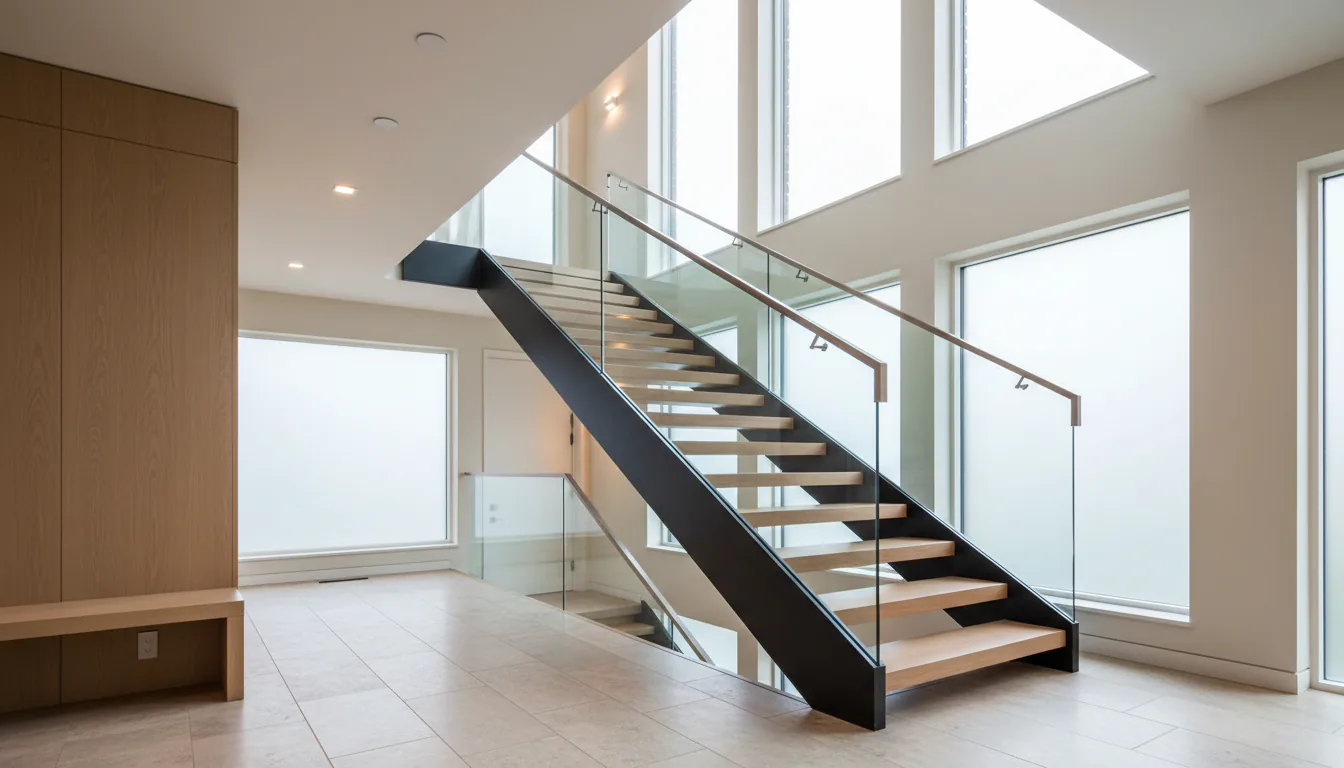
Residential Staircase
Designed for Vancouver sites, pricing, local planning notes, and finish guidance on the product page.
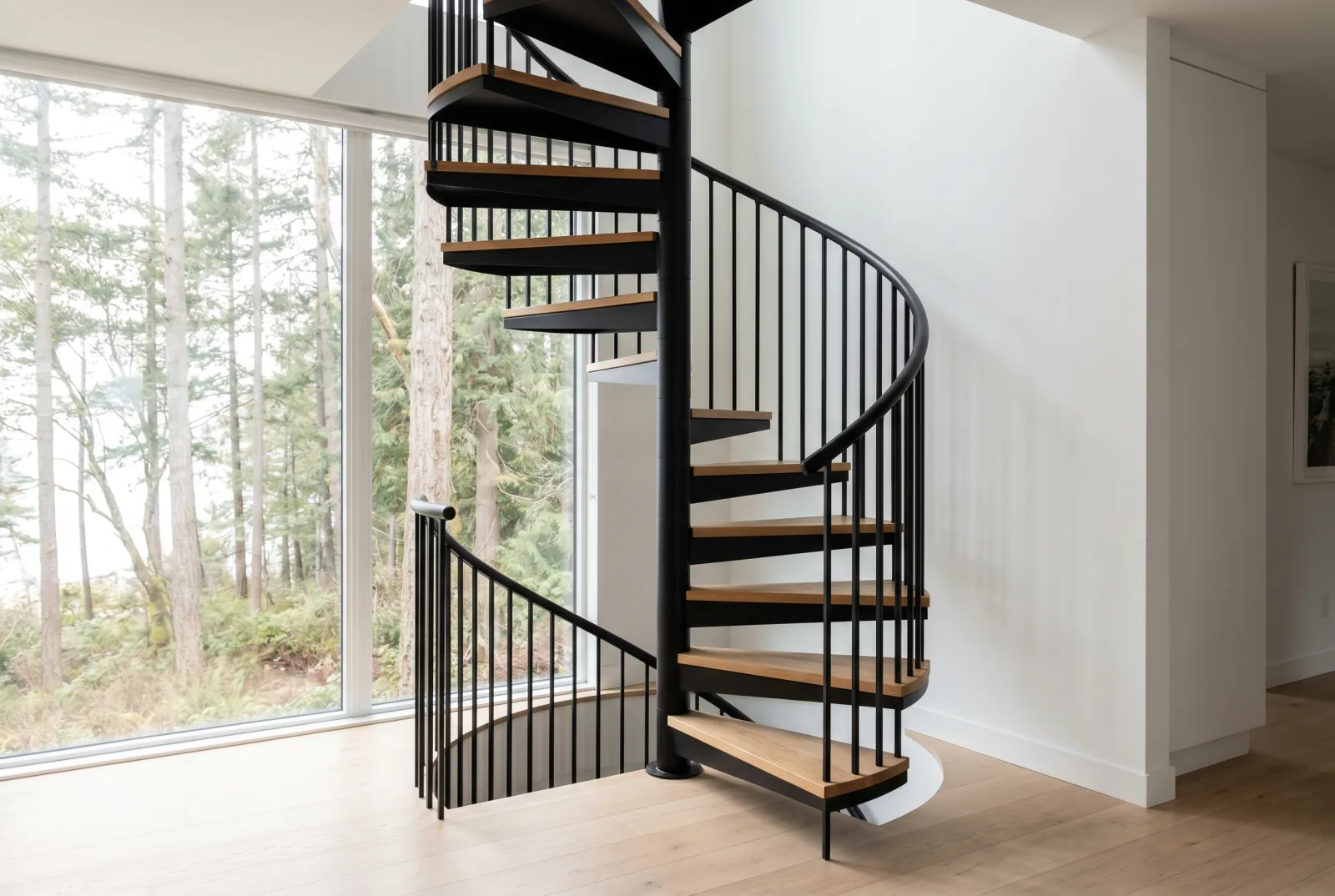
Spiral Staircase
Designed for Vancouver sites, pricing, local planning notes, and finish guidance on the product page.
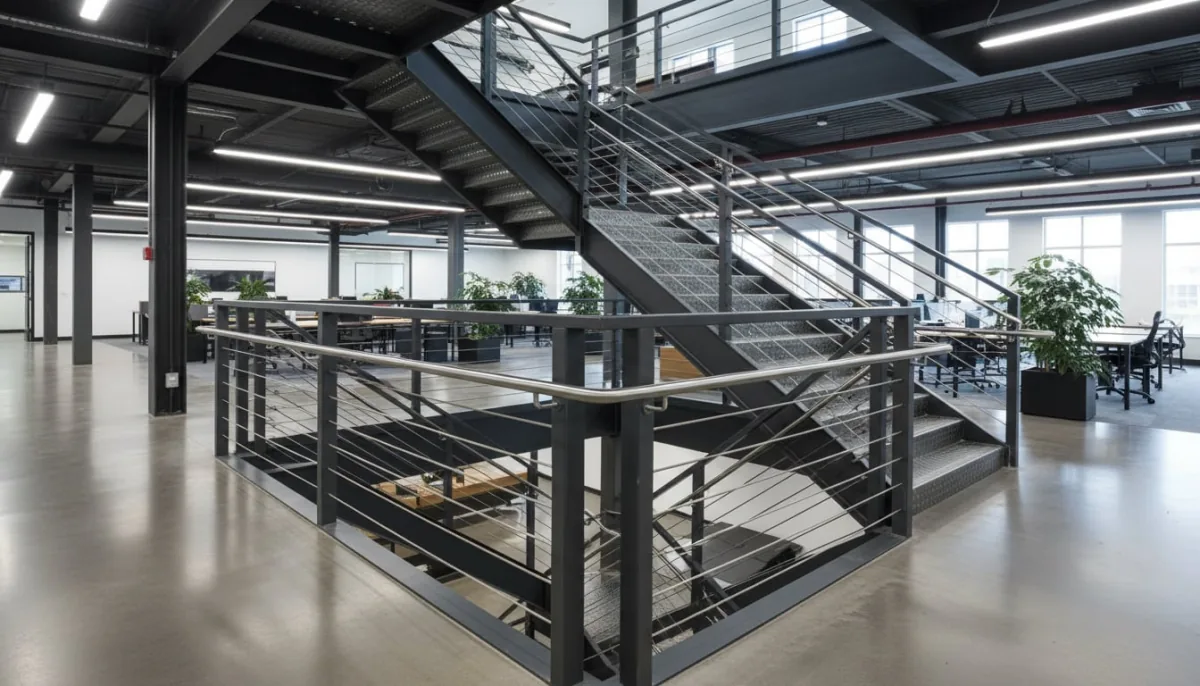
Cable Railings
Designed for Vancouver sites, pricing, local planning notes, and finish guidance on the product page.
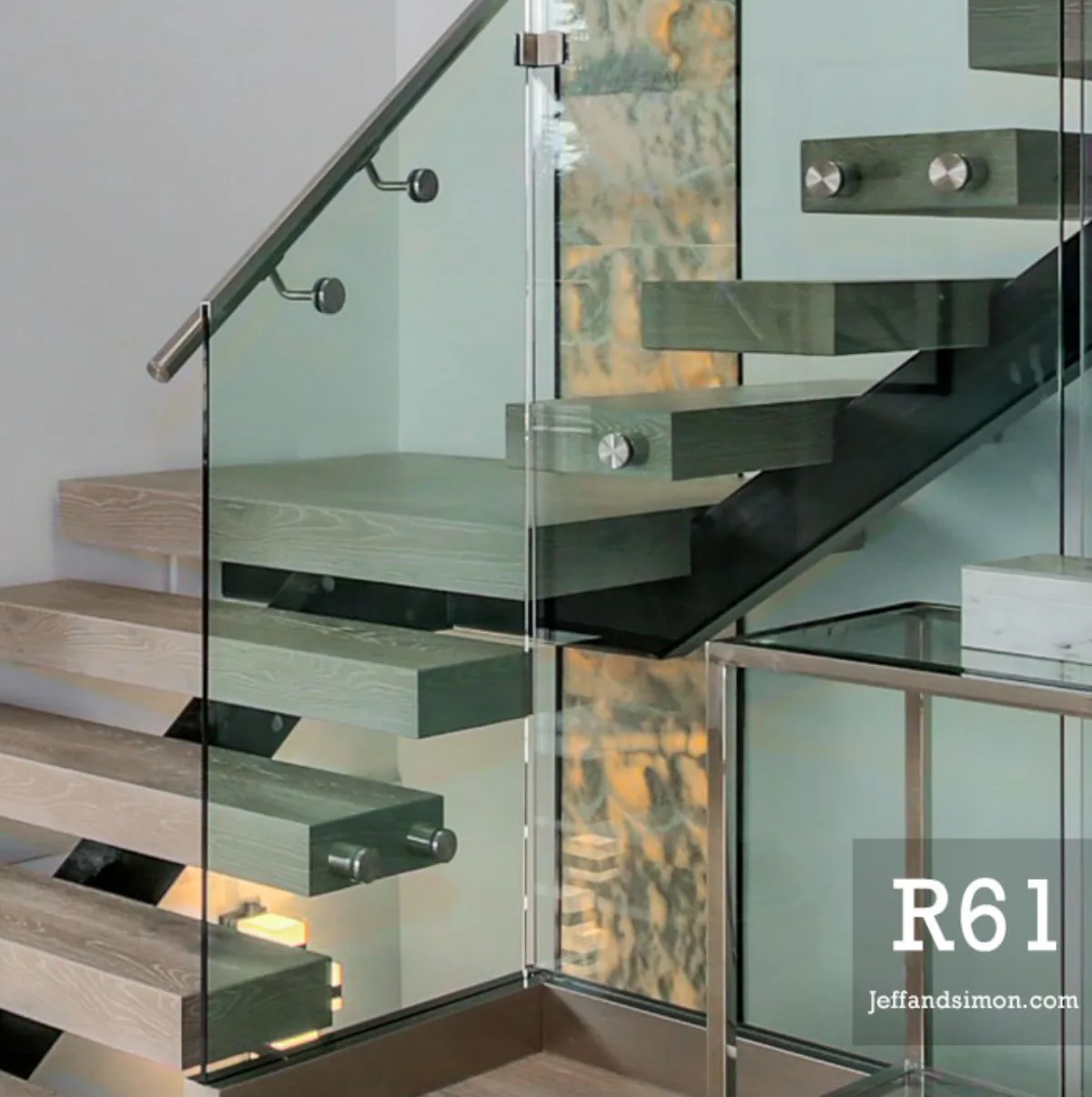
Glass Railings
Designed for Vancouver sites, pricing, local planning notes, and finish guidance on the product page.
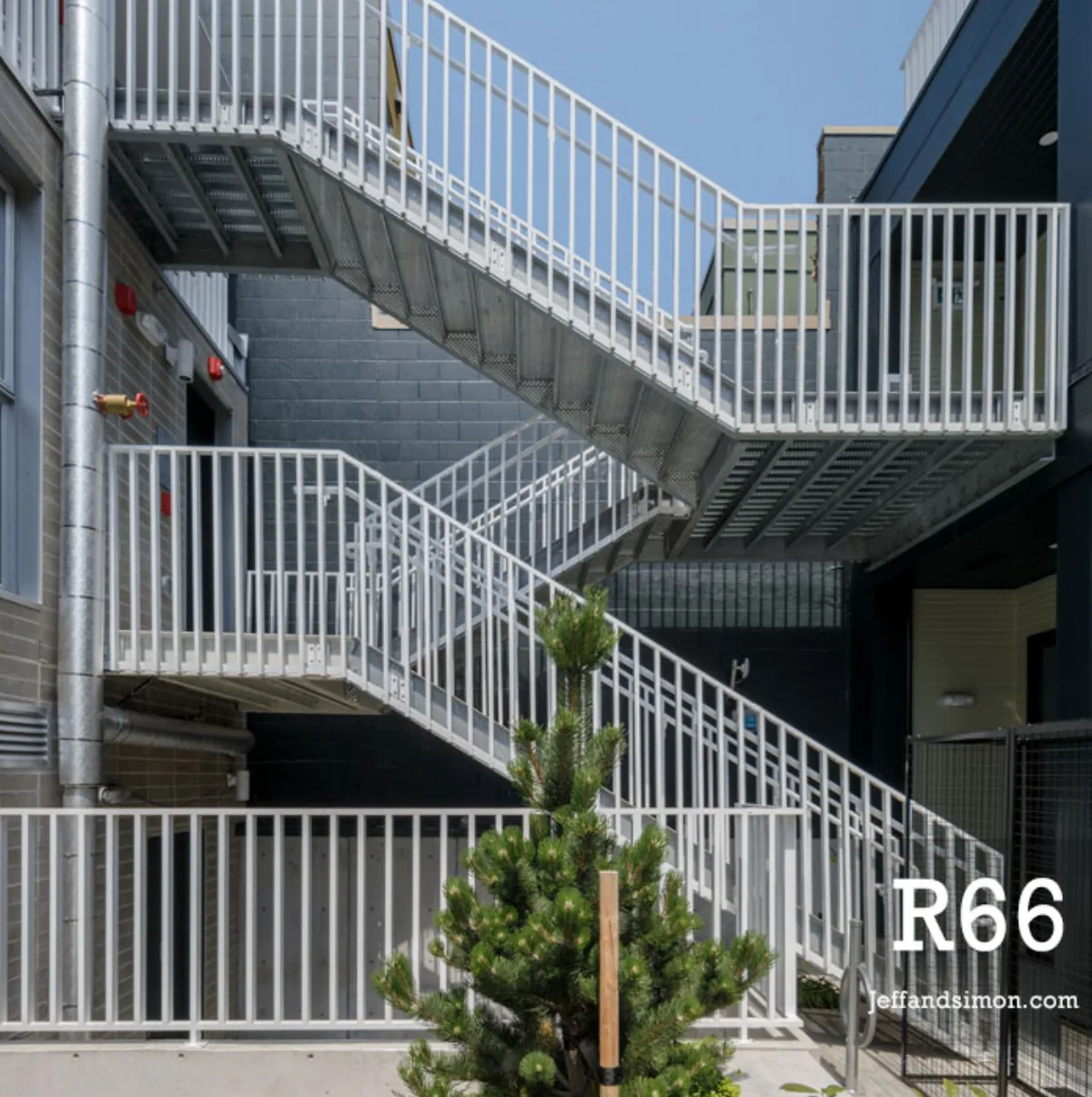
Strata Railings
Designed for Vancouver sites, pricing, local planning notes, and finish guidance on the product page.
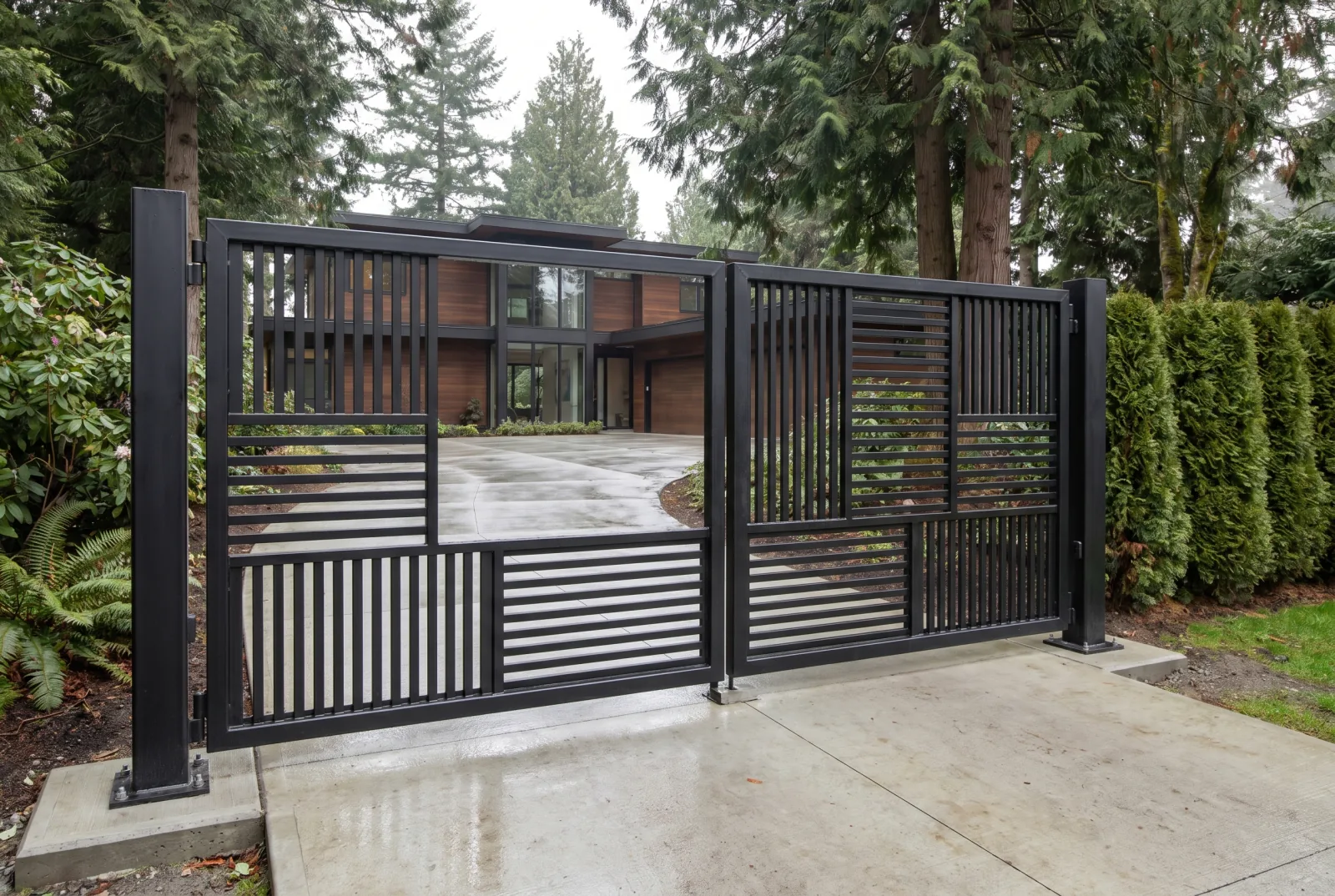
Driveway Gates
Designed for Vancouver sites, pricing, local planning notes, and finish guidance on the product page.
Vancouver project questions.
How does Vancouver's heritage housing stock affect stair projects?
Older Vancouver homes, especially character homes in Dunbar, Kerrisdale, and Kitsilano, often have balloon framing, narrow original openings, and headers sized for wood stairs rather than steel. We measure and review the structure before committing to a design so the stair and the building are compatible from the start.
Are permits required for stair and railing work in Vancouver?
Usually yes for structural changes, guard replacements, and exterior stairs. Heritage or multi-family properties add steps to the review process. The scope determines whether a building permit, engineer stamp, or both are needed, we walk through this during the quote.
How long does a typical Vancouver stair project take from quote to install?
Most residential stair projects run 8–14 weeks from signed drawings to installation, longer if permits are required or if the site has complex structural conditions. We coordinate shop drawings and permit submission in parallel where possible to compress the timeline.
Other areas we serve.
Vancouver Stairs fabricates and installs from our Burnaby shop across the Lower Mainland, North Shore, Tri-Cities, Fraser Valley, and Sea-to-Sky.
Planning guides for your project.
Plan a metal stair or railing project in Vancouver
Send drawings, photos, or a rough scope and we will help define the practical next step.