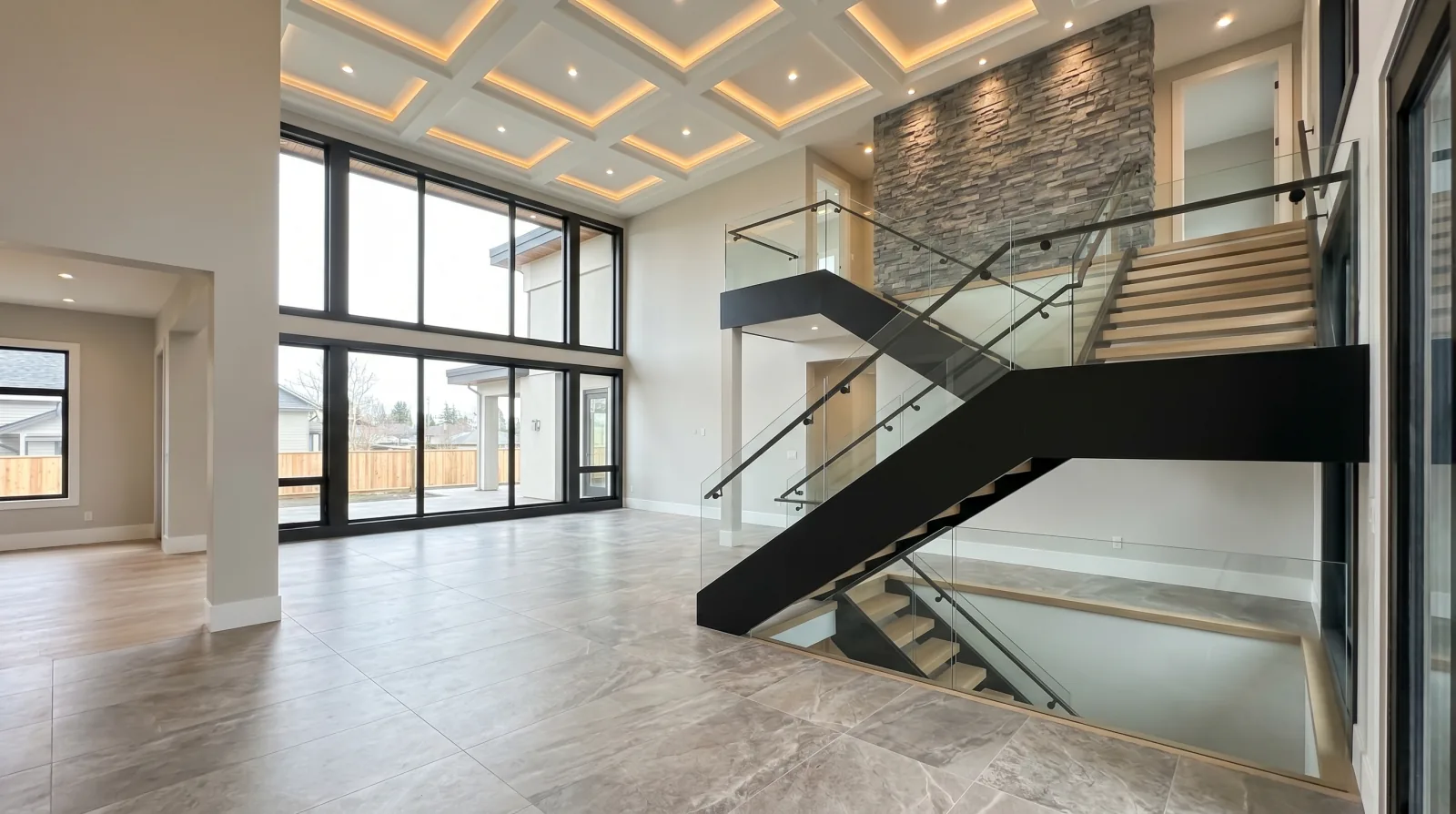
Metal stairs and railings in Surrey.
Surrey projects range from custom homes and gates to strata railing programs and commercial stair packages.
Surrey is the largest stair market south of the Fraser and one of the fastest-growing cities in British Columbia. The City of Surrey estimated its population at 726,369 as of July 2025, and Metro Vancouver's updated medium growth scenario projects Surrey to surpass the City of Vancouver by 2038 (surrey.ca, dailyhive.com). That growth is not evenly spread. Six town centres, Whalley (City Centre), Guildford, Newton, Fleetwood, Cloverdale, and South Surrey, pull on different parts of the shop's catalogue, and a project on a King George tower podium has almost nothing in common with a feature stair in a Morgan Creek custom home.
The Vancouver Stairs shop is in Burnaby, off Douglas Road. Drive time to Surrey runs roughly 35 minutes to Whalley over the Pattullo and Port Mann, and closer to 70 minutes to Crescent Beach or the 0 Avenue corridor depending on traffic and route. That distance is workable for fabrication-led scopes, the bulk of the work happens in the shop, but it changes how site visits, re-measures, and install logistics get sequenced. The rest of this page works through Surrey's building stock, the climate split between the coastal pocket and the inland city, and the permit path most stair scopes follow.
Building stock shapes the stair scope.
Whalley and Surrey City Centre is where the high-rise growth is concentrated. Surrey City Centre contains the highest concentration of high-rise condominiums in Greater Vancouver south of the Fraser, and council has approved a string of tall projects in the last two years (en.wikipedia.org). Notable approvals and active builds include the 54-storey Whalley Station tower at King George and 108 Avenue, a 39-storey Georgetown Three by Anthem Properties, a 37-storey mixed-use building on Whalley Boulevard, and an Onni Group City Centre master plan that adds more than 2,700 homes across several towers (storeys.com, anthemproperties.com, dailyhive.com). Surrey Memorial Hospital is also adding a stand-alone renal facility scheduled to open in summer 2026 and a new acute-care tower, both Part 3 institutional projects with structural-steel stair scopes (news.gov.bc.ca, renewcanada.net). The SFU School of Medicine begins teaching in temporary space at the SFU Surrey campus in August 2026, with a permanent $520 million facility planned for construction in late 2026 (sfu.ca, dailyhive.com). Stair work flowing out of Whalley is repeatable lobby stairs, level-change stairs into amenity floors, exterior egress towers on podiums, and strata railing packages that have to land on a mock-up before a floor-by-floor rollout.
Guildford, Newton, Fleetwood, and Cloverdale are mostly suburban detached housing with mature commercial corridors and a growing layer of townhouse and mid-rise infill. Statistics Canada's 2021 census put Guildford at 68,920 and Fleetwood at 69,450, with the City of Surrey projecting both to grow materially by 2036 (surrey.ca). Guildford and Newton carry older post-war and 1970s-to-1990s single-family stock alongside new wood-frame townhouse rows. Fleetwood is dominated by detached homes and is now seeing rezoning along the Fleetwood SkyTrain extension corridor. Cloverdale carries a historic main street, a rural fringe, and a steady run of acreage builds and renovations. Stair scopes in these four pockets tend to be straightforward: replacement interior stairs in 1980s splits, mono stringer or floating retrofits in 2000s-era homes that have lost their original closed-stringer wood stair, and exterior egress and rooftop guardwork on new townhouse rows.
South Surrey is the premium residential pocket. Morgan Creek, Crescent Heights, Ocean Park, Crescent Beach, and the Sunnyside neighbourhoods sit on larger lots and carry a high share of custom-home and feature-stair work. Crescent Beach is a small waterfront neighbourhood on the west side of Boundary Bay (en.wikipedia.org), and Ocean Park sits on the bluff above it. The custom-home work in this corridor is design-led from the first sketch. Sculptural mono stringers, cantilevered wall-anchored stairs, curved feature stairs around an open atrium, and combined steel-and-glass guard packages where the stair is the visual anchor of the main floor are normal scopes here. A typical week of South Surrey work might cover a feature stair in a 6,000 sq ft Morgan Creek build, a glass-and-stainless guard package on an Ocean Park view deck, and a strata railing replacement on a 1990s mid-rise in White Rock, three completely different scopes that share a shop drawing reviewer and a finish-coat queue.
Climate exposure decides the finish strategy.
Surrey's climate splits between the coastal pocket and the inland city. Crescent Beach, Ocean Park, and the Boundary Bay-adjacent shoreline carry direct salt-air exposure. The chloride load on an exterior guard at a Crescent Beach view deck is materially higher than on a Cloverdale acreage build a 20-minute drive inland. That changes the finish spec. For coastal exterior steel, 316 stainless is the default for cable infill, posts, and visible hardware. 304 stainless will tea-stain within the first wet season at a marine address, even with regular cleaning. For structural steel that has to live exposed at a coastal site, hot-dip galvanizing to ASTM A123 is the baseline, often with a duplex topcoat of marine-grade polyurethane when the colour matters.
Inland Surrey, Fleetwood, Cloverdale, Newton, the upper parts of Guildford, and Whalley, is a wet-coastal climate without direct salt exposure. The corrosion driver here is rain, not chloride. Galvanized exterior steel with a powder-coat topcoat is the standard for stair towers, exterior guards, canopy supports, and driveway gate frames. Snow load is also a finish-adjacent question. The BC Building Code references ground snow load values that vary by elevation across the Lower Mainland, and the higher parts of Panorama Ridge and Sunnyside Heights carry a slightly heavier baseline than the flatter pockets near the Fraser. The right move on any exterior structural scope is to confirm the ground snow load and rain load with the engineer of record at the address, not at a regional benchmark.
Interior steel in Surrey is finished the same way it is elsewhere in the Lower Mainland. A phosphate pre-treatment over blasted steel followed by a polyester powder coat in a flat or satin sheen is the most common detail. Black is the most-requested colour by a wide margin. Bronze, warm grey, and a darker charcoal come up more often on South Surrey design-led custom homes where the stair sits beside oak, walnut, or a stained concrete floor. Mill-scale-visible finishes are occasionally requested in industrial-loft conversions in older Surrey commercial buildings, but they need a clear matte sealer to stop transfer and the look has to be approved on a sample, not on a drawing. For coastal Crescent Beach and Ocean Park interiors, the finish spec is unchanged. The salt exposure stops at the building envelope, and conditioned interior space does not see the chloride load that drives 316 stainless on the exterior.
The scopes we see most in Surrey.
Feature staircases in South Surrey custom homes are the most design-led scope in the Surrey calendar. Mono stringer stairs, a single central steel beam with treads cantilevering equally on both sides and open risers, are the most-requested feature in residential work. On a Morgan Creek or Crescent Heights build, the stringer is typically an HSS section sized by the engineer for the run length, the tread spec, and the cantilever depth the architect has drawn. The floor connection at top and bottom drives the structural conversation. Cantilevered wall-anchored stairs are the second common request in this pocket. Cantilevered means the treads are embedded into a steel-reinforced stud bay or a poured concrete wall and there is no visible stringer. That wall has to be engineered and the embed plates set before drywall closes. It cannot be retrofitted to a finished wall. Floating is a visual category that includes mono stringer, cantilevered, and hidden-stringer support strategies, and the right move on any "floating stair" call is to specify the support strategy on the first drawing.
Curved and switchback stairs come up on the larger South Surrey custom homes where the stair is positioned in an open atrium or a double-height entry. The geometry is fabrication-intensive. The stringer is rolled, the treads are jigged to match the curve, and the guard package, usually glass with stainless standoffs or a steel picket guard with a continuous top rail, has to follow the same arc. These scopes need a longer engineering-and-shop-drawing runway than a straight mono stringer. The hardware lead time is typically the limiting factor, not the steel.
Whalley and Surrey City Centre work is repeatable Part 3 commercial. Lobby stairs on new high-rises are usually a steel-pan stair with concrete-filled treads and a powder-coated guard package matched to the building's architectural language. Level-change stairs into amenity floors, pool decks, and rooftop gardens are similar in construction but smaller in run. Exterior egress stair towers on residential podiums are hot-dip galvanized, structurally engineered, and bolted to embed plates set in the podium slab. Part 3 of the BC Building Code applies to buildings over 3 storeys or over 600 m² in building area (bccodes.ca, confirm with the authority having jurisdiction), and any structural welding on these projects has to be done by a fabricator certified to CSA W47.1 by the Canadian Welding Bureau. The welding procedure data sheets are submitted with the shop drawings before steel is cut.
Strata railing replacement programs are a steady scope across older Whalley, Guildford, and White Rock mid-rises. The work runs on a mock-up-first model: one unit gets the new guard installed, the strata council and engineer of record sign off on the detail and finish, and the floor-by-floor rollout starts from there. Mid-program changes are expensive, which is why the mock-up has to be right before the depot order is placed. Occupied-unit notice, typically 24 to 48 hours in writing, varying by strata bylaw, gets coordinated with the property manager before each move, and the swing space on the corridor side has to stay clear of cars and tradespeople on install day.
Permit and AHJ workflow.
The City of Surrey issues building permits through its Building Division, reachable at 604-591-4366 (surrey.ca). New stairs, structural alterations to existing stair openings, exterior stair towers, and most guard work tied to structural members need a building permit. Schedule B is required for engineered designs and must be digitally signed and sealed by the Registered Professional involved in the project (surrey.ca). On any project with two or more Registered Professionals, typically a structural engineer plus an architect, a Schedule A is also required, with a Coordinating Registered Professional named to manage the coordination of all design work and field reviews. The Schedule B is sealed and submitted with the building permit application, and a Schedule C-B is signed off after the final site review.
For structural stair geometries, cantilevered, floating, mono stringer with a long unsupported span, curved feature stairs, and any Part 3 commercial stair, the Schedule B route is the standard path. The engineer needs to be on the drawings before fabrication starts, and the field reviews are scheduled around install milestones rather than after completion. Surrey is geographically large, and the same Building Division processes all permits. There is no separate department for South Surrey versus Whalley, but the underlying zoning, heritage, and design-review overlays vary by neighbourhood. Crescent Beach has a development permit area overlay tied to the floodplain and the coastal character of the neighbourhood, which can add a layer of review on exterior stair, deck, and guard scopes. The right move on any coastal South Surrey address is to confirm whether a development permit is needed in parallel with the building permit, before the drawings are finalized.
Coordination, access, and delivery.
Drive time from the Burnaby shop varies by Surrey destination. Whalley and Surrey City Centre are 35 to 45 minutes over the Pattullo Bridge or Port Mann, depending on time of day and the route. Guildford and Fleetwood add another five to ten minutes via Highway 1. Newton and Cloverdale are 50 to 60 minutes via Highway 99 or King George Boulevard. South Surrey, Morgan Creek, Ocean Park, Crescent Beach, runs 55 to 70 minutes depending on the corridor and the bridge. That distance is workable for fabrication-led projects where the shop work dominates the calendar, but it changes how site visits get scheduled. A re-measure trip to a Crescent Beach address is a half-day commitment, so the right move is to bundle the field-review visits and confirm everything that needs confirming before the truck leaves.
Site access varies by neighbourhood. Whalley high-rise installs run on the building's loading-bay schedule and an elevator booking, with the install crew working inside whatever window the property manager has issued. Townhouse and mid-rise sites in Guildford, Newton, and Fleetwood are usually more flexible, with a long-bed truck and Hiab fitting in the laneway or parking lot. South Surrey custom-home sites generally have a driveway and yard space for the lift, although Crescent Beach addresses can be tight. Narrow lanes, parked cars, and limited swing room are common, and the install plan has to confirm crane or Hiab positioning on the day before delivery. Coastal protection during transport also matters. A galvanized stair tower destined for a Crescent Beach exterior install should not sit in salt mist on a flatbed for a half-day stop somewhere else first.
How to start a Surrey project.
The strongest Surrey projects bring the fabricator into the conversation while the floor framing, opening size, and finish floor are still on paper. Send the architectural and structural drawings, the site address and neighbourhood, the finished-floor build-up, the preferred finish, and the target install window. For South Surrey coastal addresses, flag the salt-exposure question early so the finish spec is locked before steel is ordered. For Whalley Part 3 work, flag the mock-up requirement and the property manager's notice window in the first call. The path from first site visit to stamped shop drawings and a confirmed install date is usually shorter than the engineering review behind it, which is the right way around for a project to run.
Neighbourhoods we work in.
South Surrey, Cloverdale, Fleetwood, Guildford, Newton, Whalley, Morgan Creek.
City signals
Drive time: 35-55 minutes
Snow load signal: 1.6 kPa
Adjacent cities: Langley, New Westminster, Richmond, Delta
Shop: 2544 Douglas Road #106, Burnaby BC
Popular Surrey product routes.
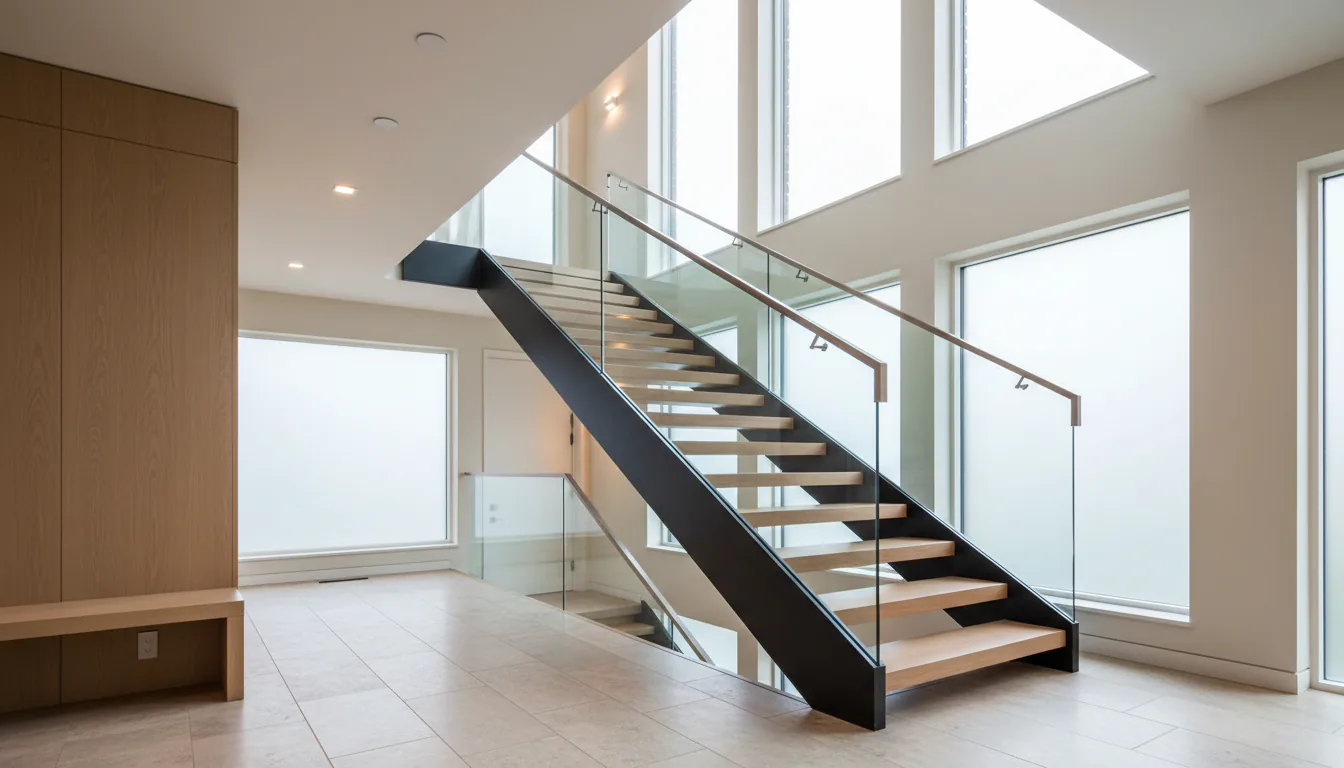
Residential Staircase
Designed for Surrey sites, pricing, local planning notes, and finish guidance on the product page.
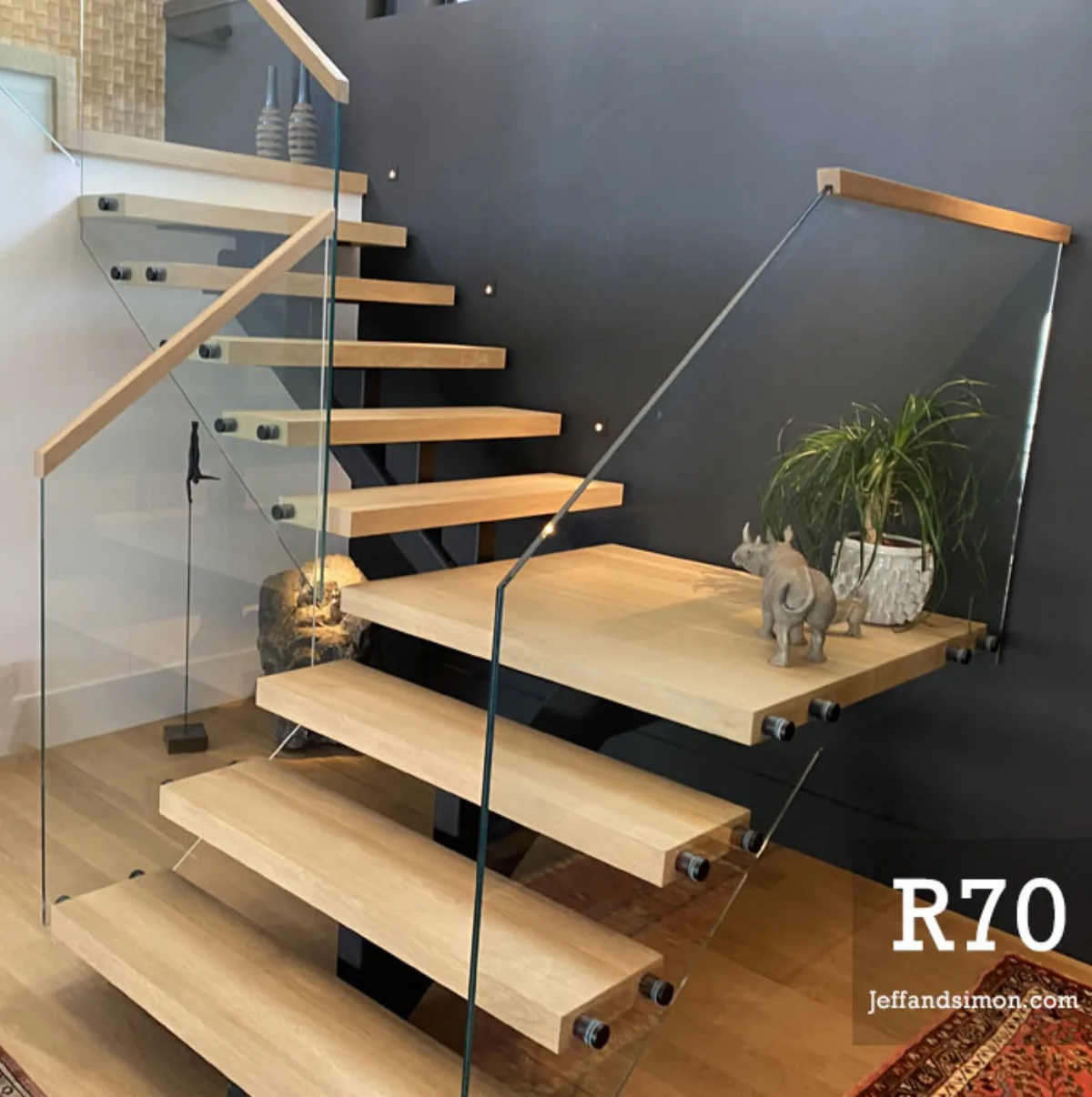
Mono Stringer Staircase
Designed for Surrey sites, pricing, local planning notes, and finish guidance on the product page.
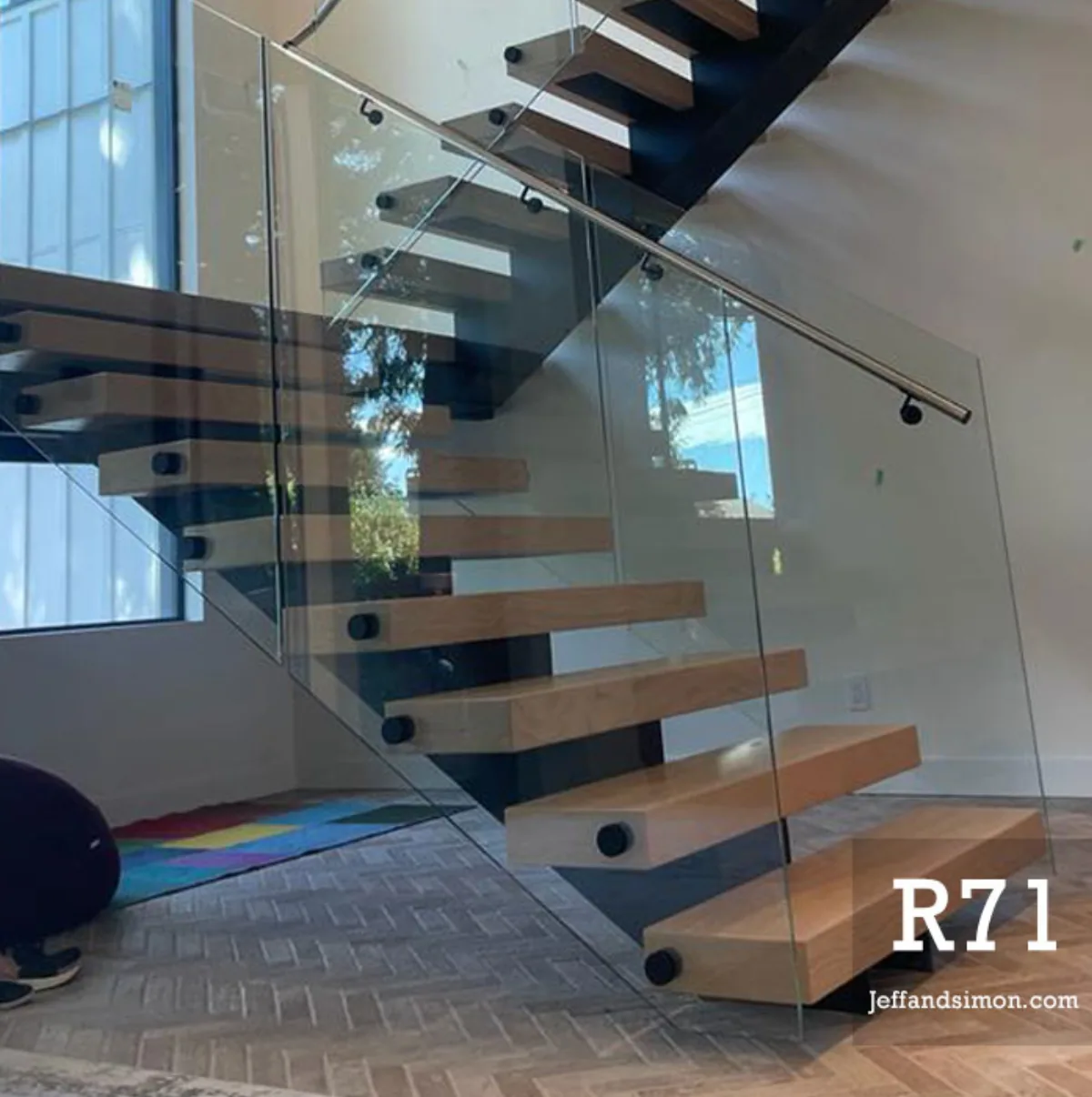
Floating Staircase
Designed for Surrey sites, pricing, local planning notes, and finish guidance on the product page.
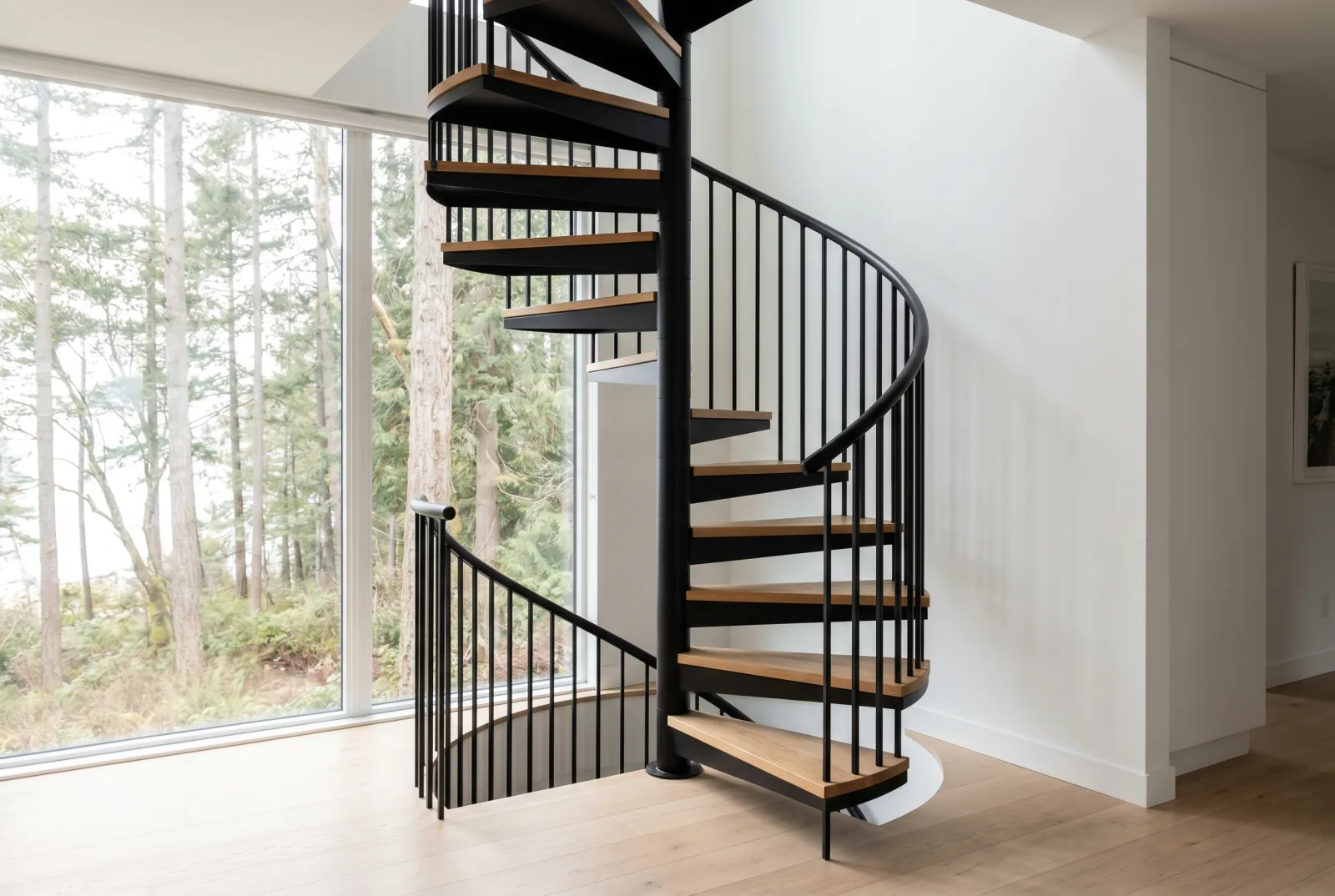
Spiral Staircase
Designed for Surrey sites, pricing, local planning notes, and finish guidance on the product page.
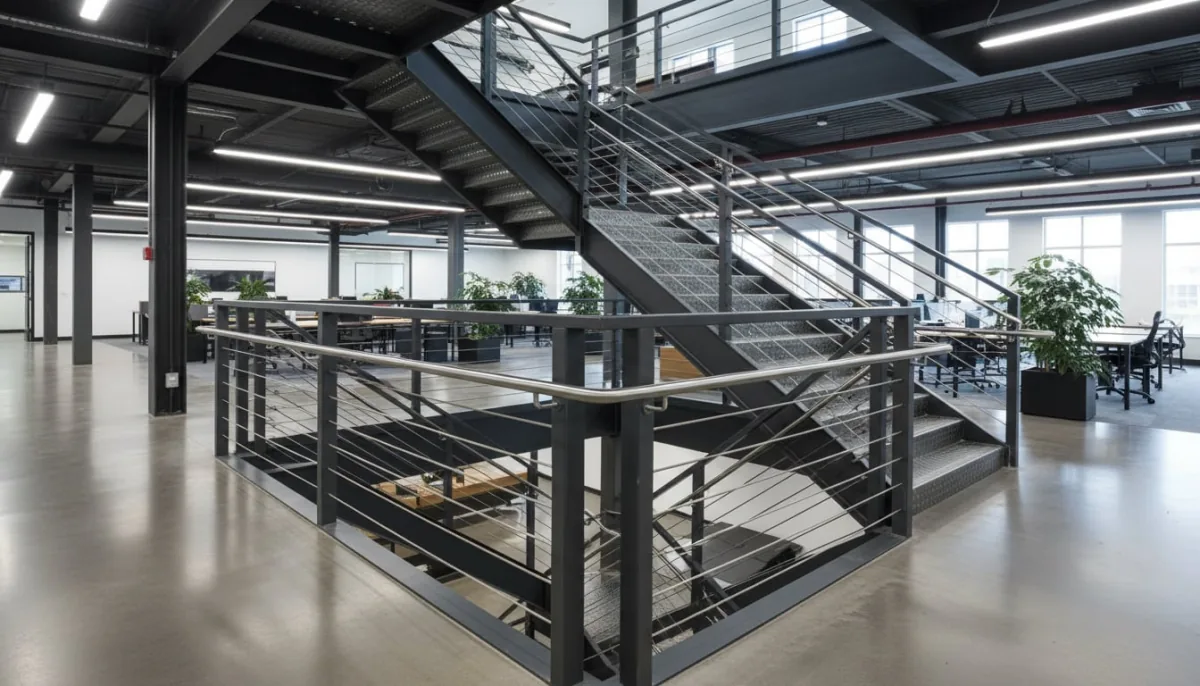
Cable Railings
Designed for Surrey sites, pricing, local planning notes, and finish guidance on the product page.
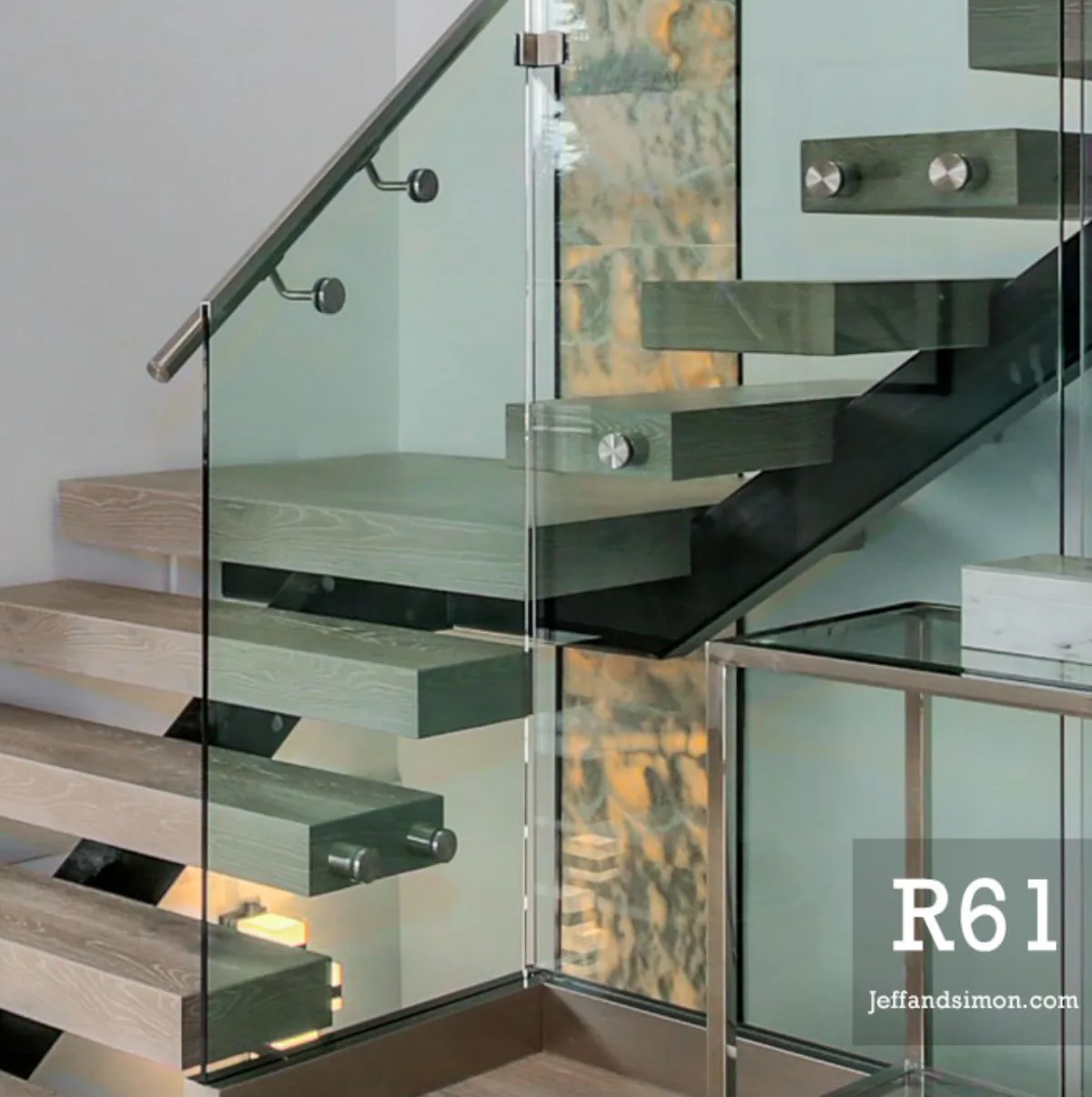
Glass Railings
Designed for Surrey sites, pricing, local planning notes, and finish guidance on the product page.
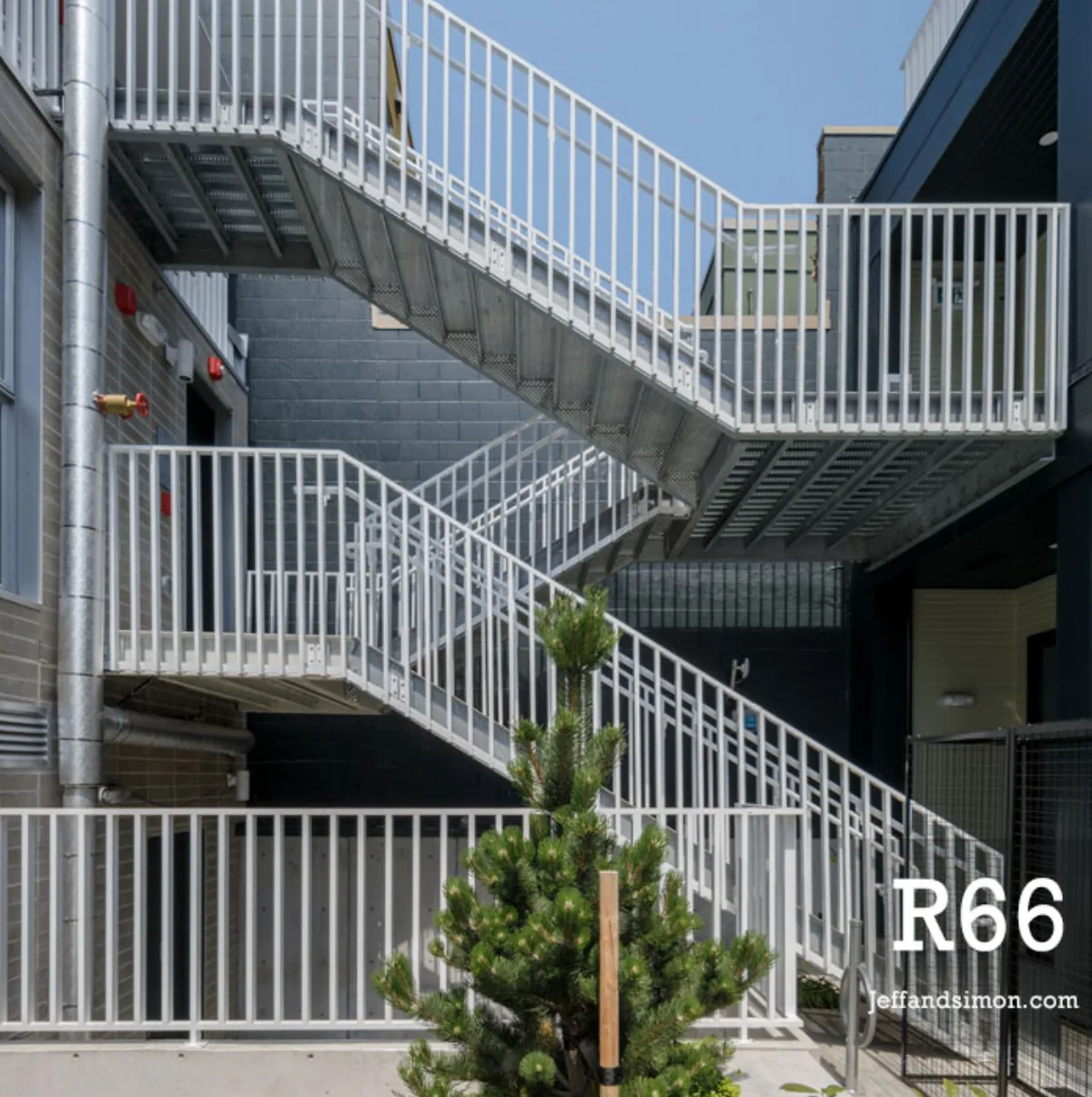
Strata Railings
Designed for Surrey sites, pricing, local planning notes, and finish guidance on the product page.
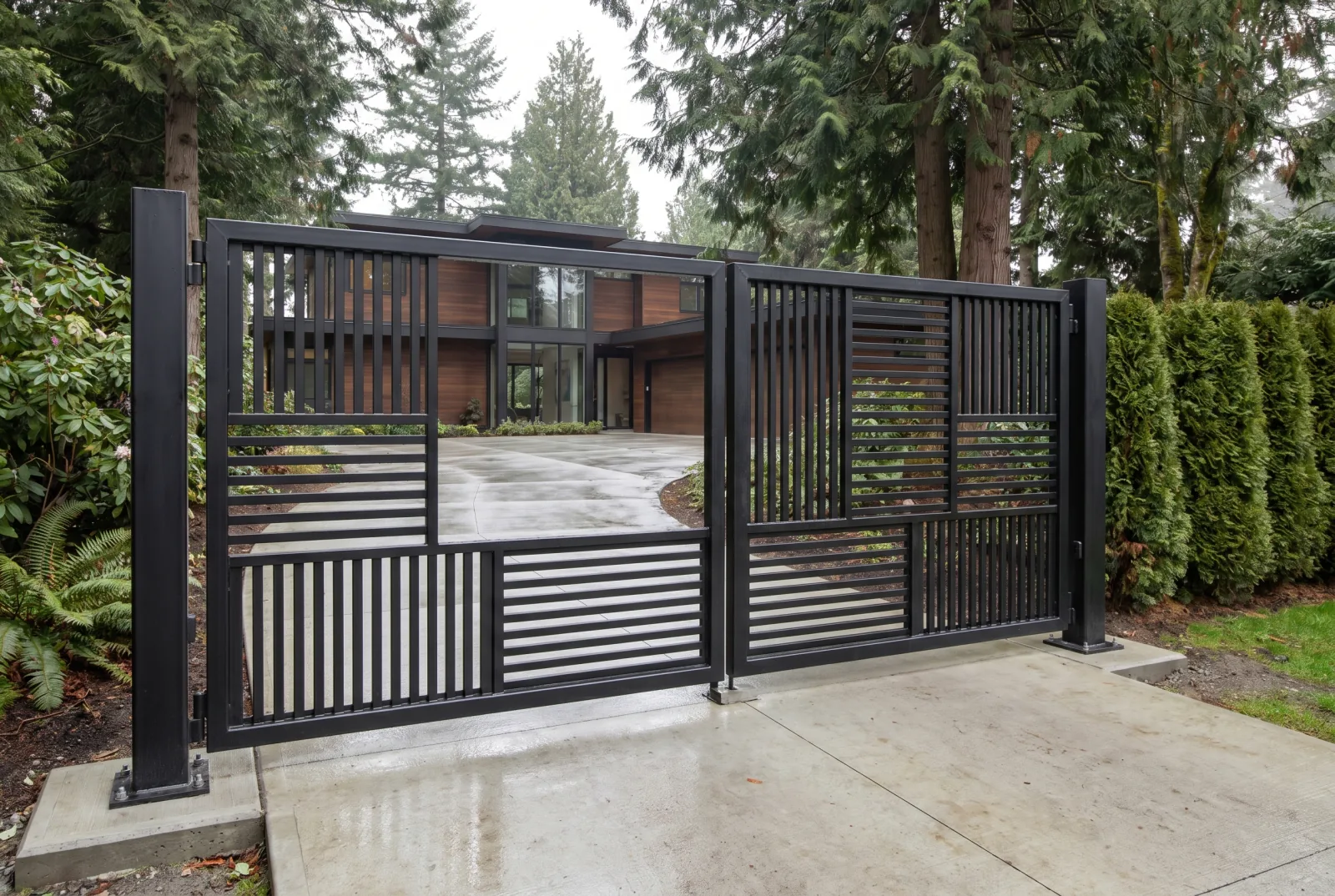
Driveway Gates
Designed for Surrey sites, pricing, local planning notes, and finish guidance on the product page.
Surrey project questions.
Does Vancouver Stairs handle both residential and commercial stair projects in Surrey?
Yes. Surrey's market ranges from custom homes in South Surrey and Morgan Creek to commercial and mixed-use stair packages in Whalley and Guildford. The documentation and code requirements differ significantly between residential and commercial, we identify the applicable standard at the quote stage and scope drawings accordingly.
How do Surrey's permit requirements work for stair and railing projects?
City of Surrey building permits are required for structural stair work, new exterior stairs, and guard replacements in most cases. Large sites and multi-family scopes benefit from early permit coordination, submission timelines can be longer when engineer-stamped drawings are required, which is standard for most structural stair connections.
What project types are most common in South Surrey and Morgan Creek?
South Surrey and Morgan Creek custom homes frequently involve mono stringer staircases, floating stairs, glass guards, and cable railings as part of new-build or major renovation packages. These homes often have taller floor-to-floor heights and larger openings than typical Metro Vancouver lots, which changes the stringer geometry and tread count.
Other areas we serve.
Vancouver Stairs fabricates and installs from our Burnaby shop across the Lower Mainland, North Shore, Tri-Cities, Fraser Valley, and Sea-to-Sky.
Planning guides for your project.
Plan a metal stair or railing project in Surrey
Send drawings, photos, or a rough scope and we will help define the practical next step.