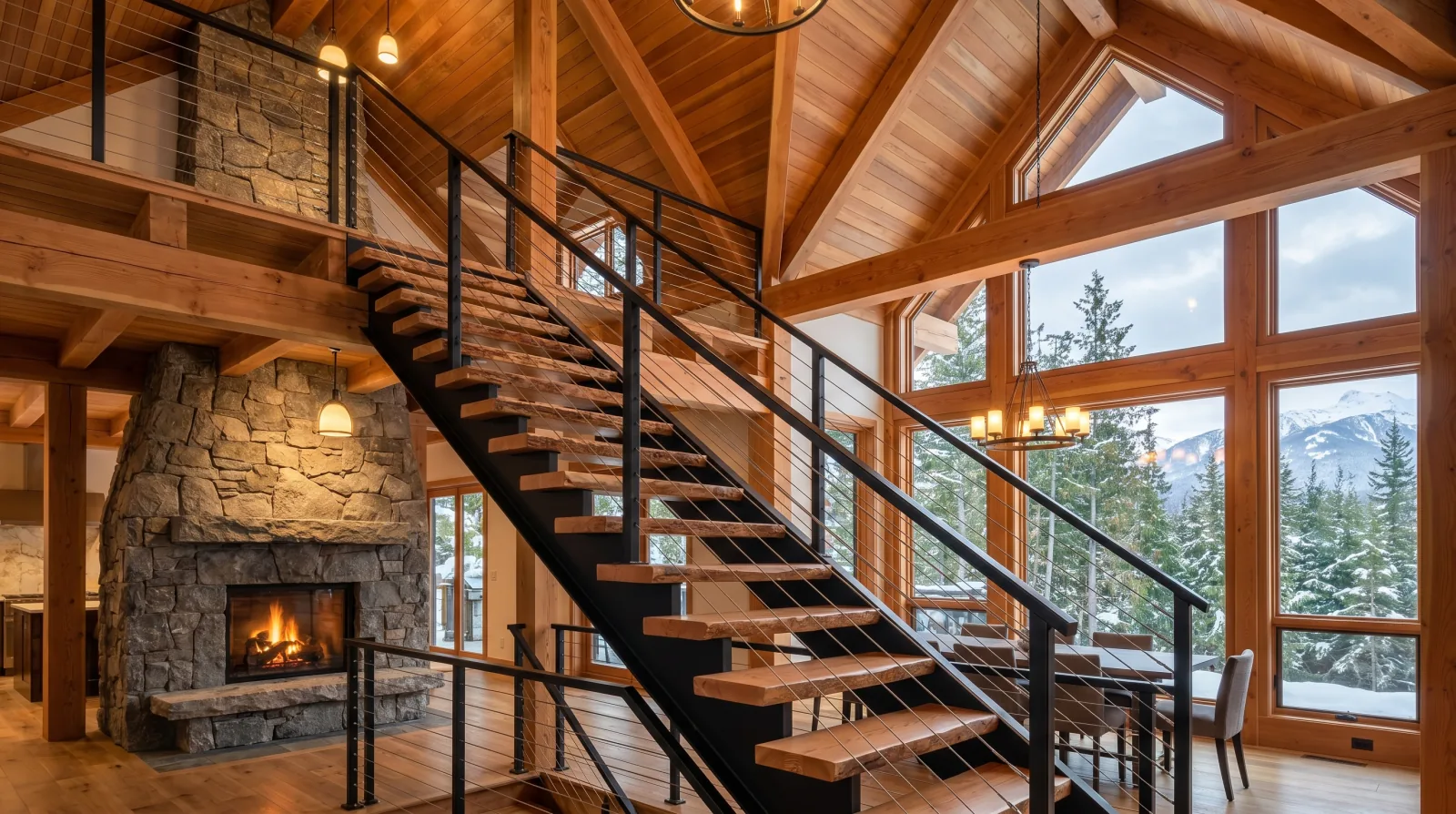
Metal stairs and railings in Whistler.
Whistler stairs, railings, and canopies need mountain-grade finish planning, snow-load coordination, and installation scheduling around access and weather.
Whistler is the most demanding installation environment on our service map. The Resort Municipality of Whistler sits roughly 121 km north of West Vancouver along Highway 99, the Sea-to-Sky corridor, which puts the village a 100 to 130 minute drive from our Burnaby shop in fair weather. Winter trips routinely run longer. The work that comes out of that drive is worth the schedule, but every Whistler stair or railing scope starts with the same fact: the steel will see more snow, more freeze-thaw, and more ultraviolet exposure than anything we ship to the Lower Mainland.
That single climate fact reshapes the whole project. Snow loading on exterior structural elements is the highest in our service area, finishes that survive a Vancouver winter fail quickly at Whistler elevation, and resort traffic windows tighten the install calendar to a handful of usable months. None of these are reasons not to build there. They are reasons to scope the work properly before fabrication starts, with a clear-eyed view of finish, structural review, and access, not a Lower Mainland detail copied north.
Building stock shapes the stair scope.
Whistler's housing stock spans several distinct generations of construction. The original ski chalets from the 1970s through the 1990s sit on the lower slopes around Alpine Meadows, Brio, Tapley's Farm, and the Creekside flats. Those homes were built around heavy snow loads from day one, but their original exterior stairs and railings were often softwood with painted steel hardware. Many of them have aged out. Replacing a rotted cedar stair with a galvanized steel assembly is one of the most common scopes we quote in the older neighbourhoods.
The second generation is the 2000s-onward custom home, larger footprints, open-beam ceilings, double-height great rooms, and design-led interior staircases. These are the projects where mono stringer stairs with open treads and cable railing, or floating-tread cantilevered configurations, fit naturally into the architecture. Emerald Estates, Spring Creek, and the hillside benches above the village hold a lot of this work. The interior detail conversation here usually starts with the relationship between the stair beam, the opening in the floor framing, and the surrounding finished work.
Multi-unit townhouse and phase strata buildings make up another large share of the village core and the surrounding benches, alongside hotel and lodge buildings in Whistler Village, Upper Village, and Village North. Resort commercial scopes, lobby stairs, exterior egress runs, hotel guest-floor railings, and lodge-front entry stairs, come with their own set of constraints around occupancy, code review, and finish durability. Function Junction, the light-industrial neighbourhood south of the village, is where we coordinate with local trades when a project needs on-site fitting or storage. Across all of this, the Resort Municipality of Whistler's Resort Land Use Bylaw controls zoning, height, and design review, and the specifics shift over time, confirm the current bylaw provisions with the authority having jurisdiction before assuming what a site can carry.
Climate exposure decides the finish strategy.
Whistler's village base sits at roughly 660 metres of elevation. Environment Canada data referenced in BC Building Code climatic tables records annual precipitation around 1,215 mm at the village, and historical records from the Meteorological Service of Canada show average annual snowfall in the range of 11 to 12 metres at the village base, orders of magnitude beyond what Vancouver or Burnaby see. The slopes above the village receive substantially more. None of that is decorative context. It is the design input for every exterior steel scope.
Freeze-thaw cycling is the finish killer. A coating that holds up through a Vancouver winter, a few mild frosts and steady rain, sees something different at Whistler elevation: repeated transitions through the freezing point, often more than once a day during shoulder season, plus deep midwinter cold. Water gets into any coating defect, freezes, expands, and lifts the coating. Bare powder coat on exterior steel fails quickly under that pattern. The same is true for shop-painted finishes and most field-applied paints. The finish has to start with a base layer that does not depend on coating integrity for corrosion protection.
The shop default for exterior steel in Whistler is hot-dip galvanizing to ASTM A123. That puts a metallurgically bonded zinc layer on every surface of the part, including weld zones and interior tube sections, before any architectural finish is applied. Where the client wants a colour or a softer matte appearance, the standard premium spec is duplex: galvanizing first, then a top-coat powder coat or field-applied coating. The galvanizing carries the corrosion load. The top coat carries the look. Stainless gets used selectively for visible fasteners, cable infill hardware, and pieces where the galvanizing finish reads wrong against the architecture. Altitude UV also degrades organic coatings faster, which is another reason the galvanized base layer matters more than the visible finish.
The scopes we see most in Whistler.
Exterior stairs and exterior railings drive the volume of Whistler work. The brief is consistent: replace a tired wood or painted-steel assembly with a galvanized steel stair sized for the local snow load, detailed to shed snow and meltwater away from the structure, and finished so the next maintenance cycle is well in the future. The structural conversation centres on the loading the AHJ will require for the specific site, village base, hillside bench, or upper elevation subdivision, and on the connection back into existing framing that may not have been designed for a heavier replacement.
Interior feature stairs in custom homes are the other half of the work. Mono stringer configurations with open treads and cable or glass railing fit the open-beam, double-height great room geometry common in newer Whistler homes. Floating stair scopes, open-riser treads cantilevered off a wall, anchored into a structural plate, or carried by a hidden steel armature, show up regularly on hillside chalets where the architect wants the stair to read as one element inside the volume. Either way, the floor opening, the beam pocket, the guard attachment points, and the finished floor build-up have to be resolved on drawings before steel is ordered.
Resort commercial and lodge work is the third recurring scope. Hotel lobby stairs, guest-floor railings, exterior egress runs, and lodge front-entry stairs each carry their own occupancy and code constraints. These projects are sequenced around resort operations, work that touches a guest-facing surface gets fitted into the shoulder seasons, and material has to move in and out of dedicated loading docks rather than guest entrances. Strata stair and railing replacements across phase developments are a related category. They are usually scoped as multi-unit packages so the fabrication run, the engineering review, and the install window are all coordinated against one set of drawings.
Cable railings, glass railings, and supporting metalwork, guard frames, structural brackets, post bases, and exterior canopies, round out the typical Whistler quote sheet. Cable railing on an exterior balcony at this elevation needs stainless tensioners and end fittings; standard plated hardware does not survive. Glass railing systems work on covered balconies and interior runs without much modification, but exposed exterior glass is a maintenance discussion the client should have up front. The decision on each system is usually finish, sightline, and snow-shedding geometry together, not any one of them alone.
Permit and AHJ workflow.
Structural stair and railing work in Whistler runs through the Resort Municipality of Whistler building permit process. A building permit is typically required for new structural stair work, structural alterations, exterior structural elements, and any retaining or framing change tied to a stair landing. The RMOW publishes its current application requirements and submission forms; check the live RMOW Building Permit Resources page for the version that applies to the project rather than relying on what was true the last time we filed.
Schedule B, the letter of assurance signed by a registered professional engineer or architect, is the document that ties engineering review to the permit. For cantilevered stairs, floating stairs, mono stringer stairs, structural exterior assemblies, and most stair scopes carrying public or guest loads, the AHJ will require a Schedule B from the structural engineer of record, along with proof of professional liability insurance, before the permit is issued. Schedule C-B closes out the file before occupancy. Whistler's mountain climate also drives a specific snow-load review on exterior elements, the structural engineer sizes the stair, guard posts, and connections against the site-specific design load, which depends on elevation and aspect, not a single municipal default.
None of the above is a substitute for code review by the authority having jurisdiction, the project architect, or the structural engineer. The site, the elevation, the existing structure, and the bylaw provisions in force at the time of application all change the answer. Confirm requirements with RMOW Building Services before fabrication starts, and route any structural decision back through the engineer of record rather than assuming a Lower Mainland detail will carry north.
Coordination, access, and delivery.
Delivery and install logistics are different from anywhere else we serve. The drive itself is 100 to 130 minutes from Burnaby in good conditions, but Highway 99 closes periodically for weather, accidents, or maintenance, and a sealed-truck schedule cannot assume the corridor is open. We plan crate dimensions to fit the truck used for the trip, batch material so a single run carries a complete sub-assembly rather than partial loads, and confirm a usable off-load point before the truck leaves the shop.
Resort weekend traffic, ski-season delivery restrictions, dedicated hotel loading docks, and narrow hillside chalet driveways all push install windows into specific months. Shoulder season, generally May, and again from October into early November, is the preferred install window for most exterior scopes and for any interior work that needs material staging. Mid-summer hits peak resort traffic and event schedules. Ski season tightens hotel loading and on-site staging severely. We sequence Whistler installs accordingly and build in weather contingency for any winter run.
How to start a Whistler project.
Whistler scopes work best when the climate, the bylaw, and the access plan are part of the conversation before any detail is locked. Send drawings, site address, the elevation and aspect of the install, photos of the existing structure, the target finish, and the install window the project can realistically hold. The earlier those inputs land, the cleaner the fabrication and the install, and the more years the finished assembly stays out of the maintenance schedule.
Neighbourhoods we work in.
Whistler Village, Creekside, Function Junction, Alpine Meadows, Emerald Estates, Nesters.
City signals
Drive time: 100-130 minutes
Snow load signal: 3 kPa
Adjacent cities: Squamish, Pemberton
Shop: 2544 Douglas Road #106, Burnaby BC
Popular Whistler product routes.
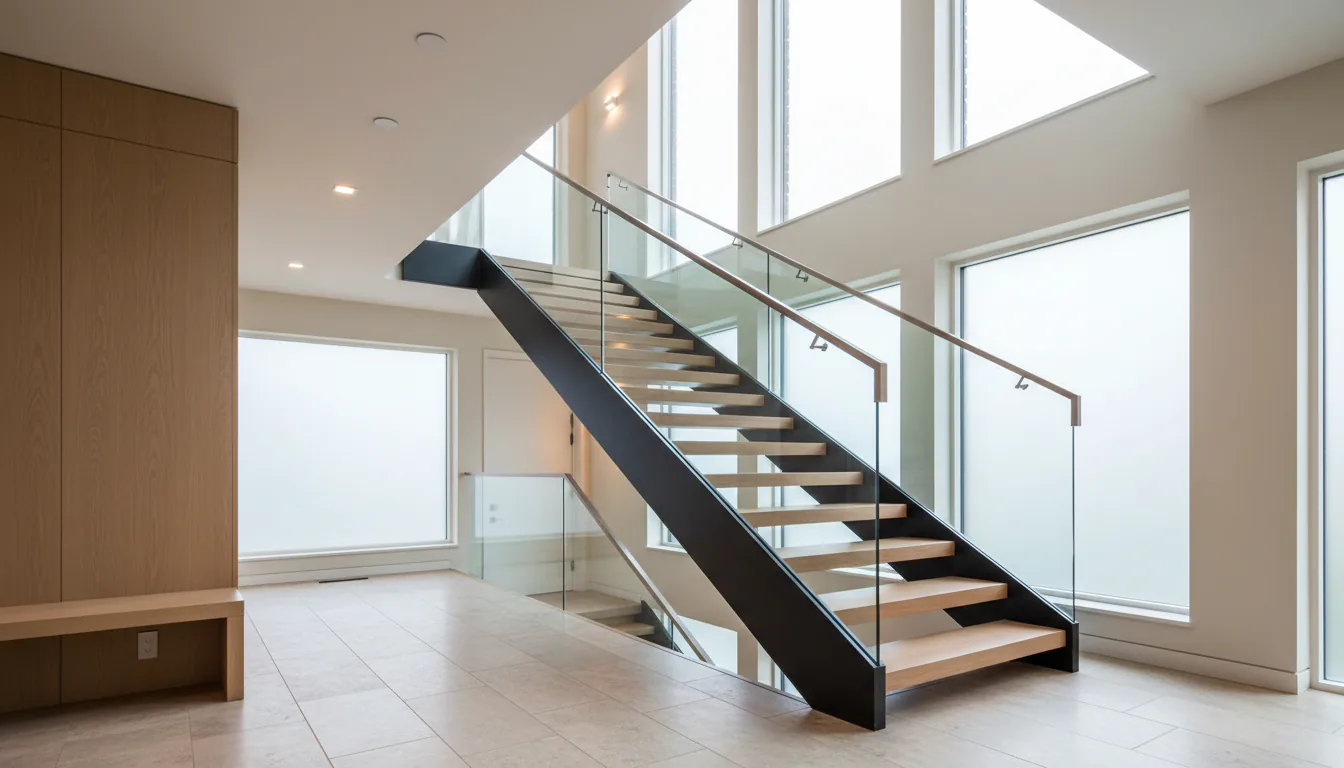
Residential Staircase
Designed for Whistler sites, pricing, local planning notes, and finish guidance on the product page.
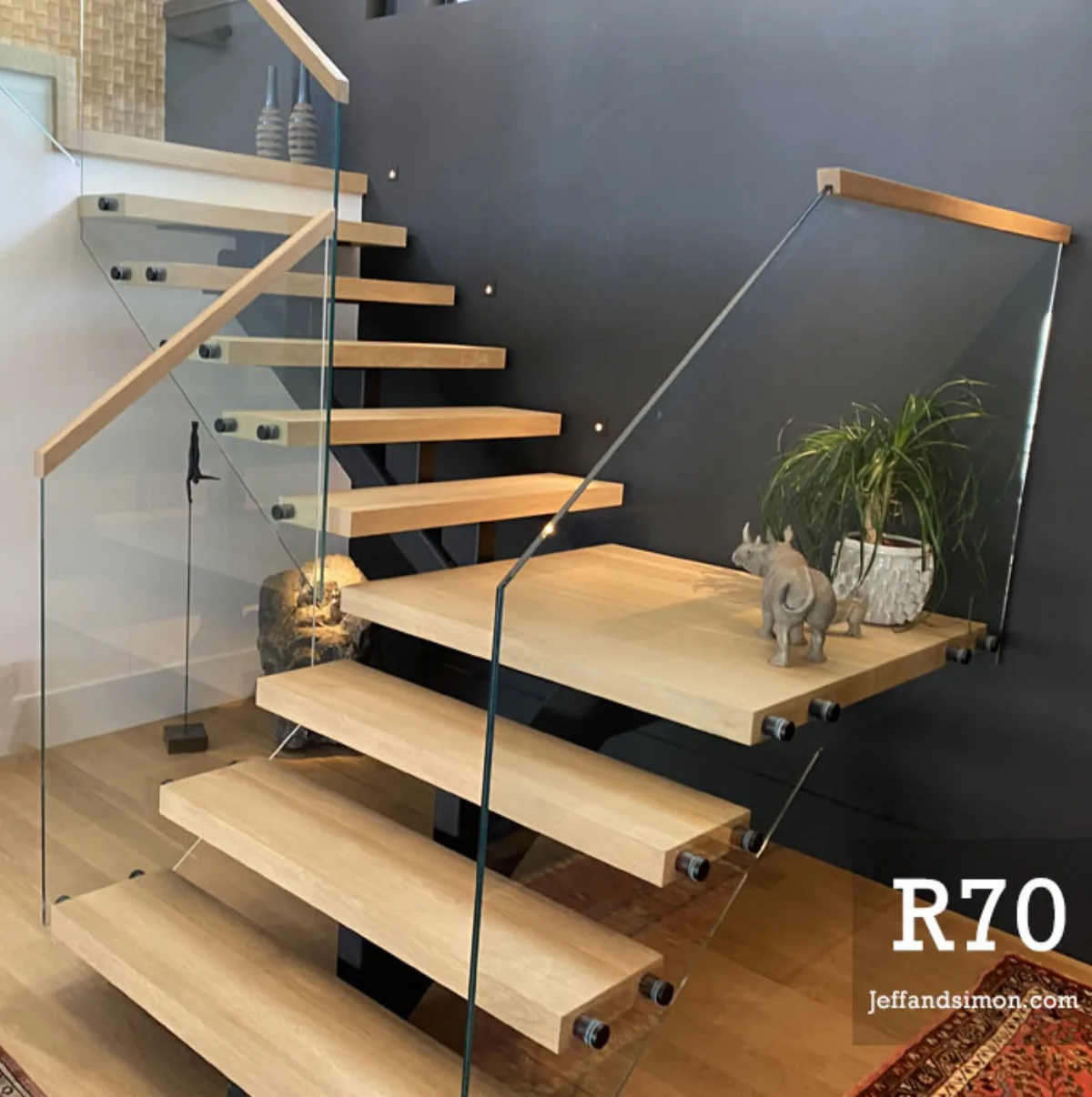
Mono Stringer Staircase
Designed for Whistler sites, pricing, local planning notes, and finish guidance on the product page.
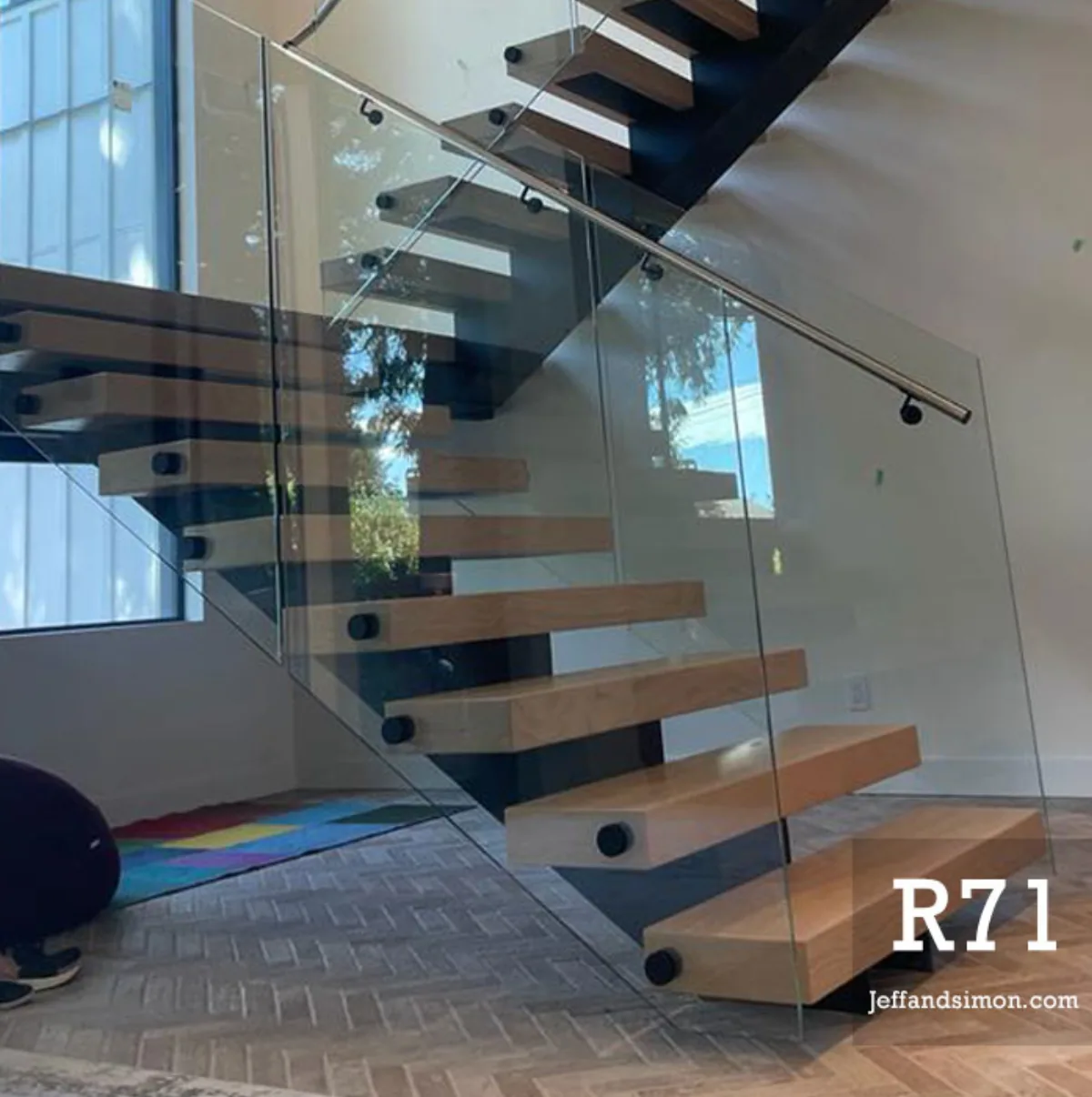
Floating Staircase
Designed for Whistler sites, pricing, local planning notes, and finish guidance on the product page.
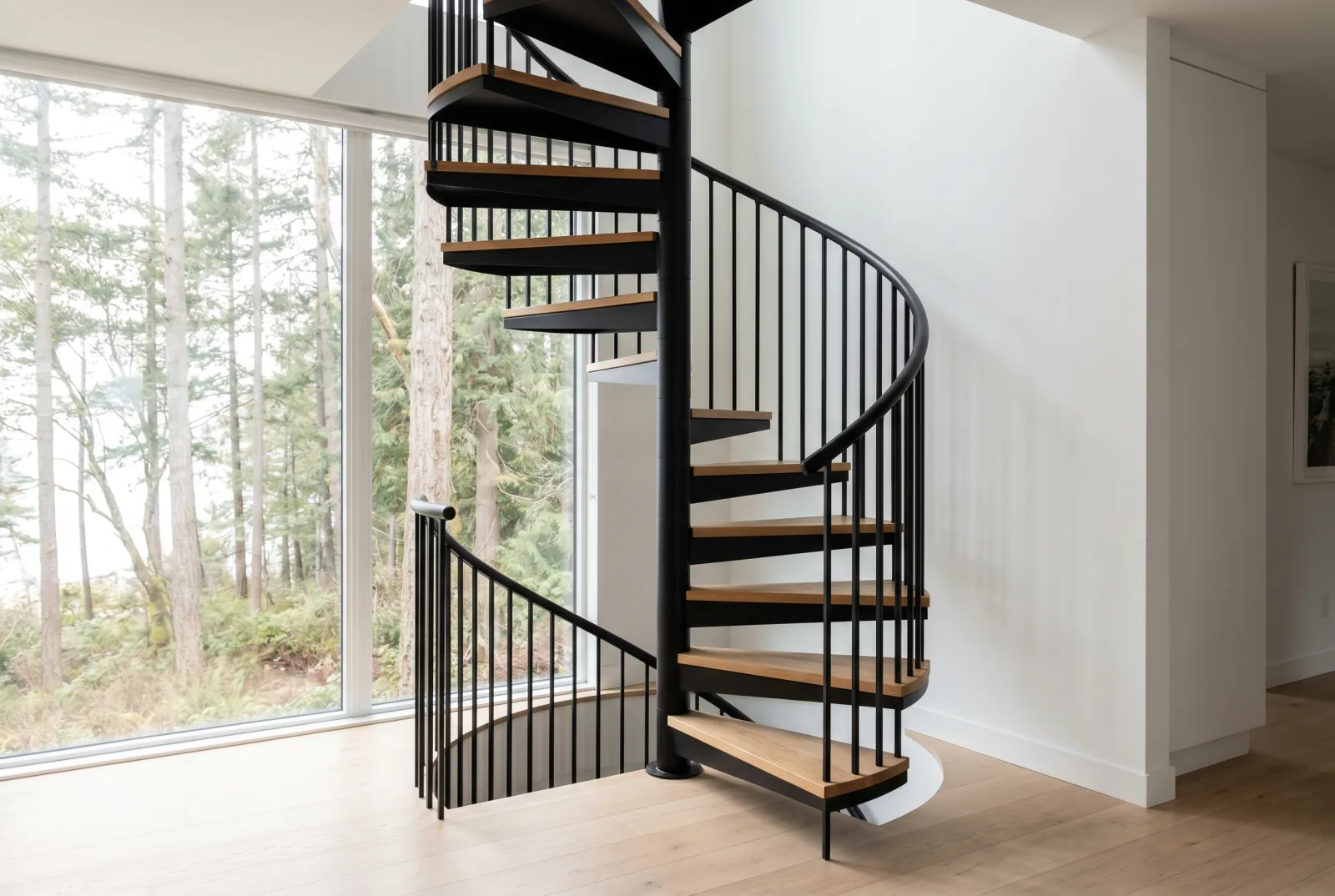
Spiral Staircase
Designed for Whistler sites, pricing, local planning notes, and finish guidance on the product page.
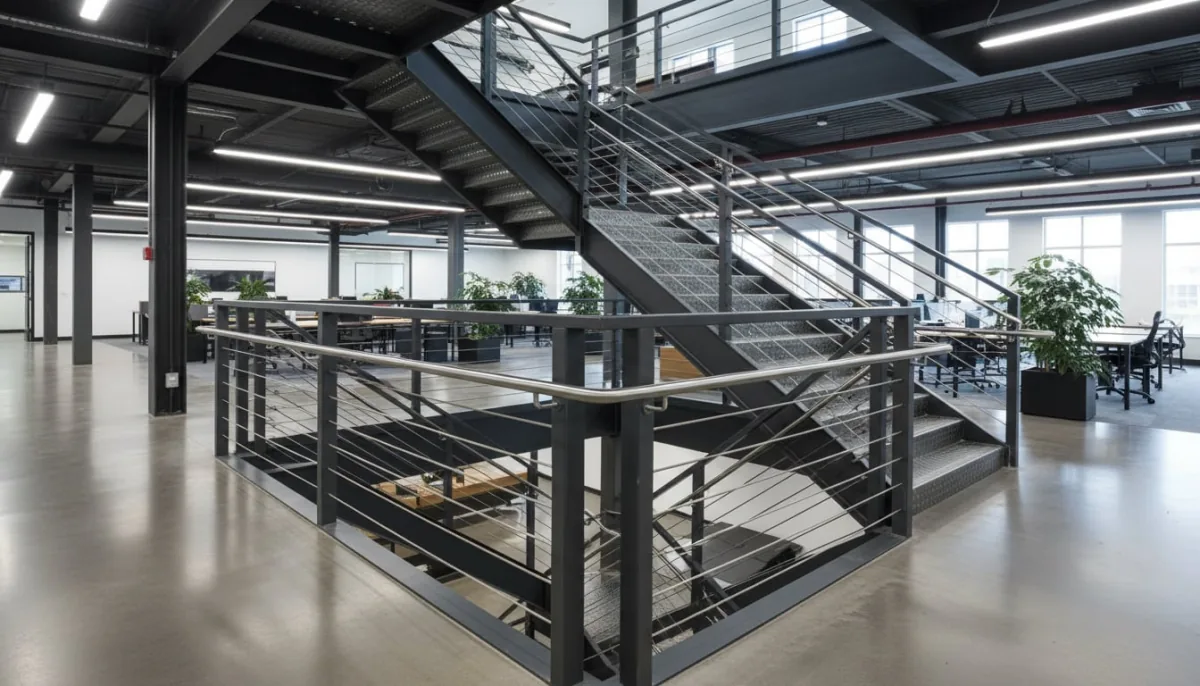
Cable Railings
Designed for Whistler sites, pricing, local planning notes, and finish guidance on the product page.
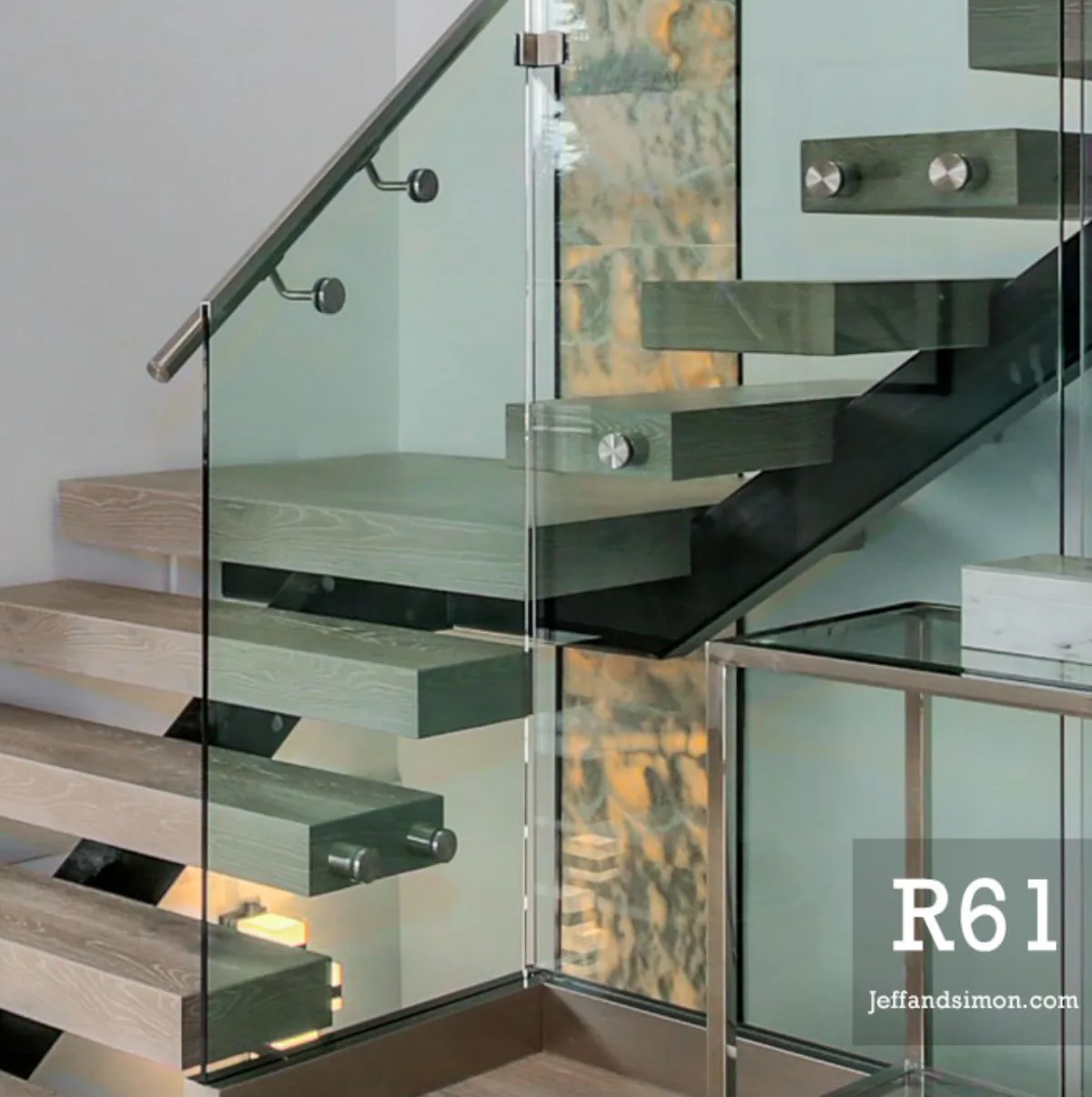
Glass Railings
Designed for Whistler sites, pricing, local planning notes, and finish guidance on the product page.
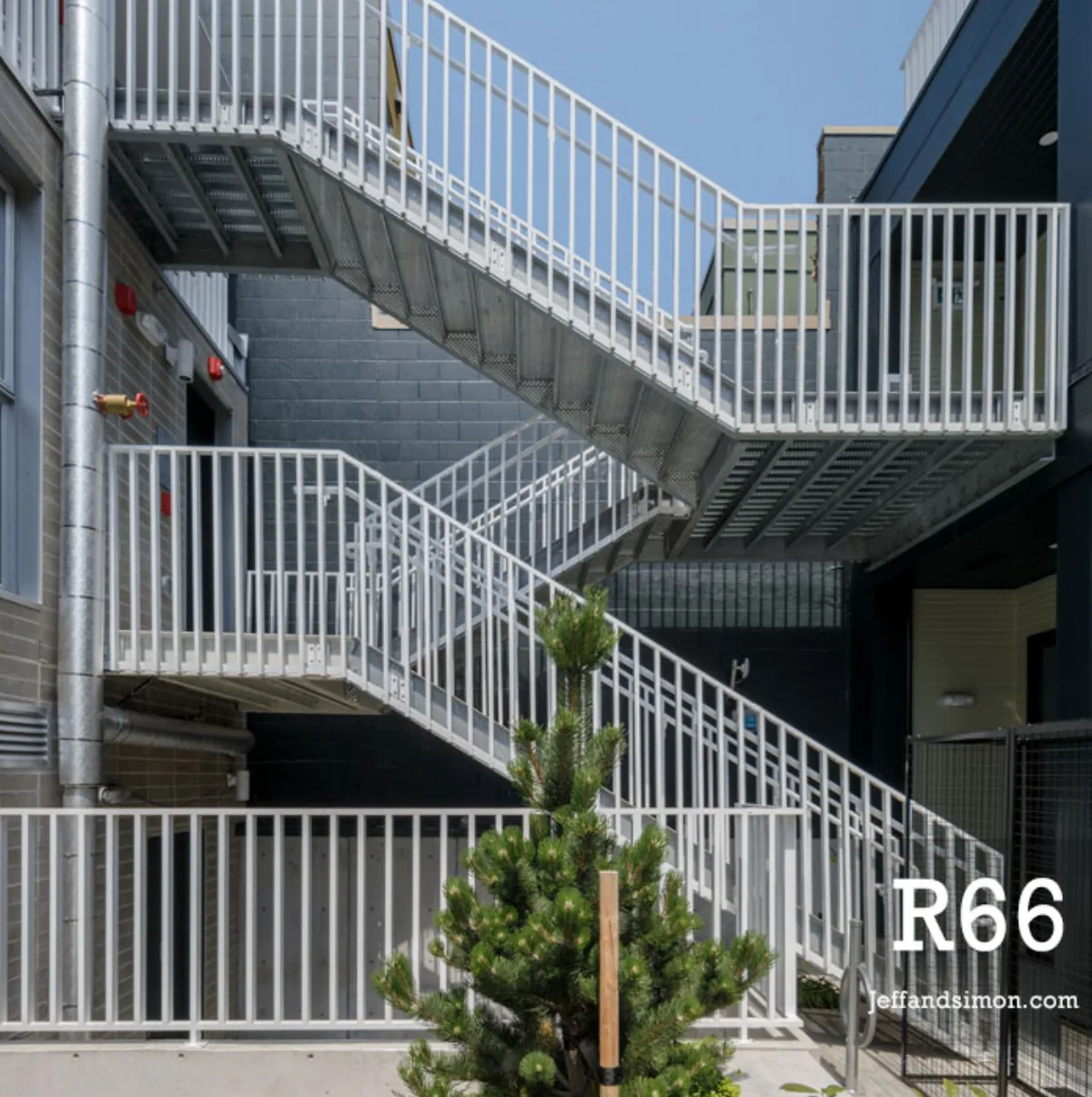
Strata Railings
Designed for Whistler sites, pricing, local planning notes, and finish guidance on the product page.
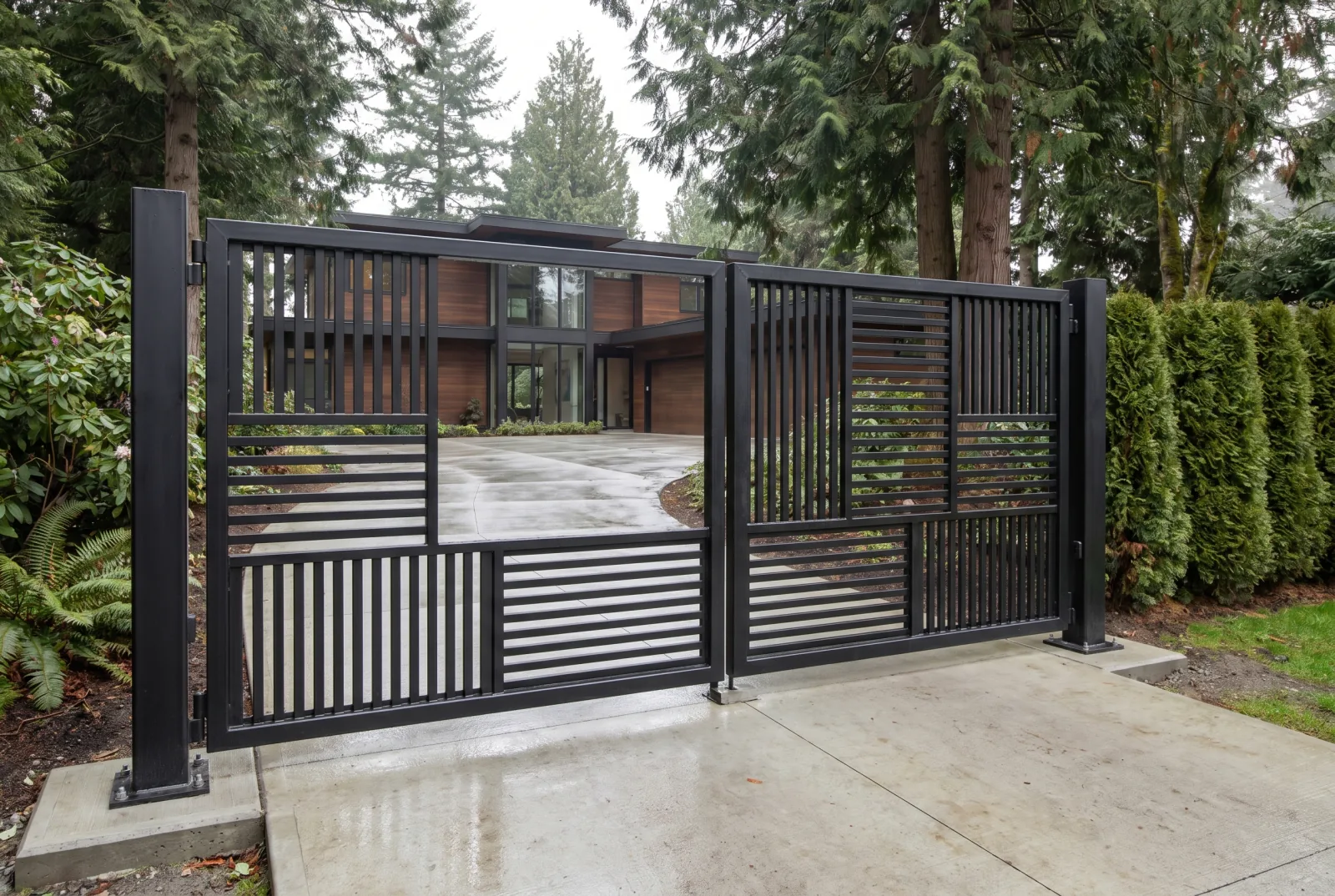
Driveway Gates
Designed for Whistler sites, pricing, local planning notes, and finish guidance on the product page.
Whistler project questions.
What snow load applies to Whistler stair and railing projects?
Whistler's baseline snow load is 3.0 kPa, the highest in our service area. For exterior stairs, canopies, and any element with horizontal surfaces that can accumulate snow, we work with the project engineer to confirm the design load before fabrication. Site-specific factors like elevation, drift exposure, and roof pitch can increase the number above the baseline.
What finish is standard for exterior steel at Whistler?
Galvanized primer under powder coat is the standard recommendation for any exterior steel element at Whistler. Standard epoxy primer deteriorates under Whistler's freeze-thaw cycling and heavy snowfall, the galvanized base layer extends the finish life and reduces maintenance between replacement cycles. Hot-dip galvanizing is specified for the most exposed exterior elements.
How does installation scheduling work for Whistler projects?
Whistler is 100–130 minutes from our Burnaby shop, and resort-access restrictions and seasonal weather windows affect when work can happen. We build the installation schedule around the shoulder season where possible, plan deliveries in manageable sections for difficult access sites, and include weather-window contingency so the project timeline stays realistic.
Other areas we serve.
Vancouver Stairs fabricates and installs from our Burnaby shop across the Lower Mainland, North Shore, Tri-Cities, Fraser Valley, and Sea-to-Sky.
Planning guides for your project.
Plan a metal stair or railing project in Whistler
Send drawings, photos, or a rough scope and we will help define the practical next step.