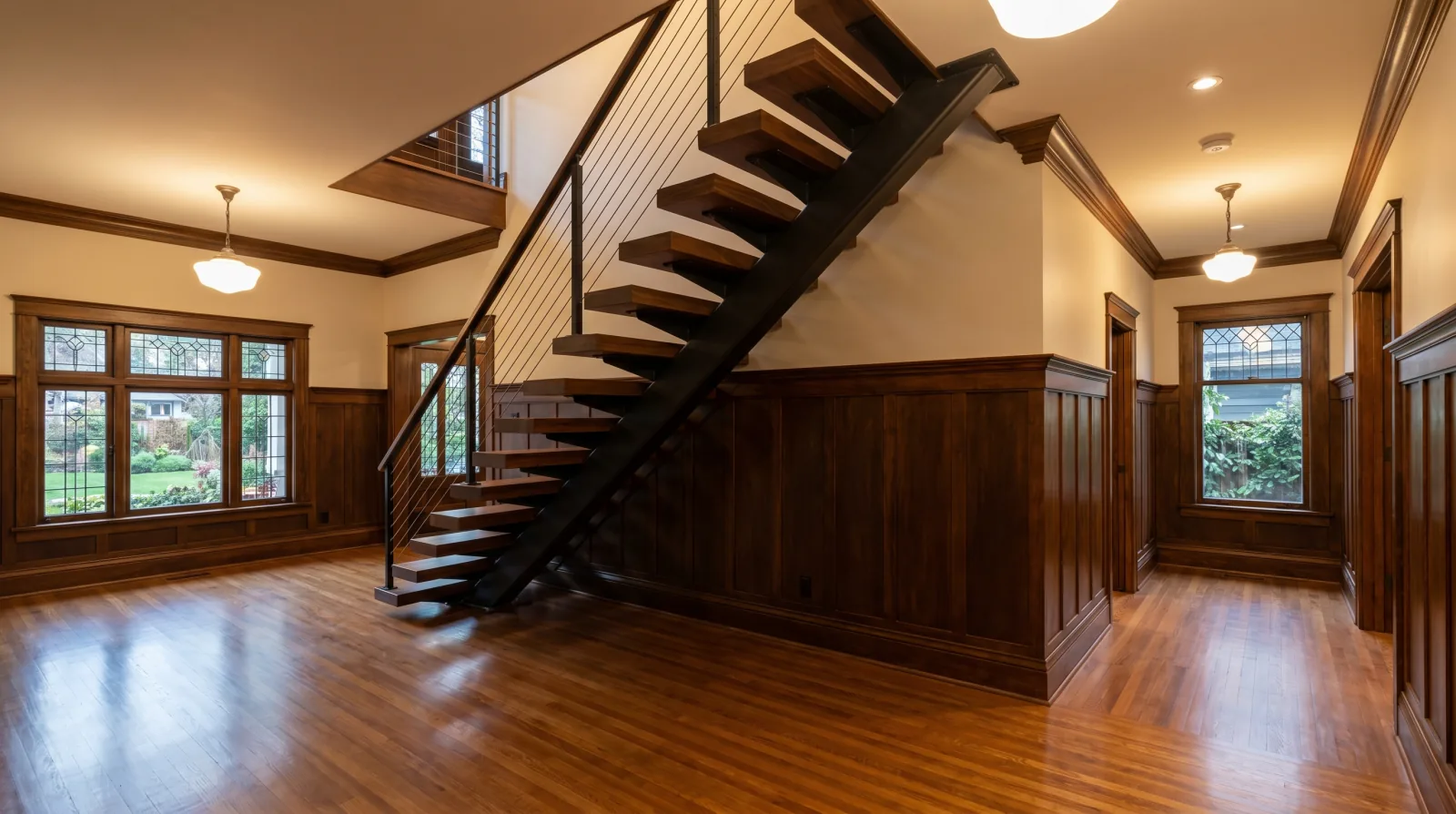
Metal stairs and railings in New Westminster.
New Westminster combines heritage buildings, steep sites, townhomes, and river-adjacent multi-family work.
New Westminster is the oldest city in British Columbia, founded in 1859 as the colonial capital before the seat moved to Victoria (newwestcity.ca). That long history is the reason a New West stair scope rarely looks like a New West stair scope at first glance. The city carries Edwardian and Queen Anne houses from the 1880s through the early 1900s, post-war detached infill, 1970s and 1980s mid-rise wood-frame strata that is now overdue for guard replacement, and a new wave of concrete high-rises in the Brewery District and along the downtown waterfront. The fabricator's job is to read which era the building belongs to before quoting, because the framing, finish floor, and permit path change with it.
The other reason New West is a different conversation from Burnaby or Coquitlam is geography. The city sits on two distinct pieces of ground. The upland city (Queens Park, Glenbrook North, Sapperton, the West End, Uptown, and downtown) climbs a steep bluff over the Fraser River, with bedrock close to surface in places and serious grade changes between blocks. Queensborough is the opposite: flat delta land on the eastern tip of Lulu Island, separated from the rest of the city by the Fraser and reached only by the Queensborough Bridge (en.wikipedia.org, newwestcity.ca). The stair work that runs on each side of the river is essentially two different markets sharing a building department.
Building stock shapes the stair scope.
Queens Park is the heart of the heritage city. The neighbourhood is a designated Heritage Conservation Area under a city bylaw that places a layer of protection over every property inside the boundary, regardless of construction age (newwestcity.ca). Properties are classified as Protected or Non-protected, and on Protected properties a Heritage Alteration Permit is required for exterior changes affecting the front, sides, or visible roofline, even for work that would not normally need a building permit (newwestcity.ca, confirm with the authority having jurisdiction). The housing stock is dominated by Edwardian, Queen Anne, and Craftsman homes from roughly the 1890s through the 1920s, with original closed-stringer wood interior stairs and front-porch stairs that have been re-built three or four times in their lifetimes. A modern mono stringer or floating stair retrofit inside one of these houses almost always touches original framing, and the conversation has to start with the heritage path, not the steel section.
Sapperton, Uptown, and the downtown core are the redevelopment story. The Brewery District in Sapperton is a roughly 9-acre master-planned site that has been delivering residential high-rises and mixed-use buildings on the old Labatt brewery property since the original brewery was demolished in 2005, with Wesgroup as the developer and additional towers in the 15 to 32-storey range still landing on the site (theglobeandmail.com, urbanyvr.com). Sapperton Green is a separate, larger master-planned redevelopment in the same neighbourhood (newwestcity.ca). Pier West and the downtown Fraser-front are filling in with concrete towers above podiums. The stair work that flows out of these sites is the standard Part 3 mix: lobby feature stairs, level-change stairs into amenity floors, exterior egress stairs at podium decks, and strata guard packages that have to land on a mock-up before the floor-by-floor rollout starts.
Between the heritage core and the new towers sits the older multi-family. The 1970s and 1980s wood-frame and concrete mid-rises around Uptown and along the Royal Avenue ridge are now at the age where original aluminum or painted-steel guards are reaching end of service. Replacement programs on these buildings are a steady scope: balcony guards, common-area stair guards, and exterior stair re-skins. Queensborough is a different building stock again. The neighbourhood was historically light-industrial and working-class, and most of the residential stock there is recent: townhouse rows, single-family infill on flat delta lots, and some new mid-rise around Port Royal. Marine delta air and Fraser River exposure pull the finish spec toward galvanizing on anything exterior, similar to Steveston a few kilometres downstream on the same island.
Climate exposure decides the finish strategy.
New Westminster sits on the same wet-coastal weather system as the rest of the Lower Mainland. The upland city is on a steep south-facing bluff over the Fraser, so the rain runs off quickly but the wind exposure on the upper streets (Royal Avenue, Eighth Street, the Queens Park ridge) is real. Queensborough is flat and sits at delta elevation a metre or two above sea level, so standing water and humidity are part of the climate file there in a way they are not on the upland side. Neither side of the river carries direct salt-water exposure the way Dundarave or Steveston-side Richmond does, but Queensborough does get marine delta air off the Fraser, and the chloride load on an exterior stringer there is meaningfully higher than on a Queens Park front porch a few kilometres east.
For exterior structural steel on either side of the river, hot-dip galvanizing to ASTM A123 is the default. The phosphate-and-powder-coat finish used inside is not enough for an exterior stringer, base plate, or guard that has to live through a New West winter unprotected. Galvanizing gives the substrate a sacrificial zinc layer that keeps doing the job even after a topcoat scratches in service. A duplex coating, galvanizing under a sweep-blasted powder coat or polyurethane topcoat, is the right detail when the colour matters and the assembly is exposed. On Queensborough exteriors, that duplex coating is the safer call than a single-layer powder coat over bare steel, because the delta air will find the smallest coating defect within a season.
Interior finishes are a different conversation. The common detail is a phosphate pre-treatment over blasted steel followed by a polyester powder coat in a flat or satin sheen. Black is the most-requested colour by a wide margin. On Queens Park and Glenbrook North heritage interiors, the design-led palette pushes toward bronze, warm grey, and oil-rubbed dark finishes that sit next to oak treads and painted wainscot. On Brewery District and Pier West condo lobby work, the spec is usually closer to a contemporary matte black or a warm graphite with a clear satin guard panel. Mill-scale-visible finishes show up occasionally in loft conversions of older Columbia Street commercial buildings. Those finishes need a clear matte sealer to stop transfer onto hands and clothing, and the look has to be approved on a physical sample, not a drawing.
The scopes we see most in New Westminster.
Queens Park heritage retrofits are the most demanding scope on the New West side of the shop calendar. The typical project is a character-home interior renovation where the owner wants a contemporary stair inside an Edwardian shell. The original stair was a closed-stringer wood run with bullnose treads and a turned newel post, the headers and trimmers were sized for that dead load, and the new mono stringer or floating run usually pushes the floor opening into new framing. On a Protected property, any exterior change to a front porch stair, a side stair, or a guard visible from the street triggers a Heritage Alteration Permit on top of the building permit (newwestcity.ca, confirm with the authority having jurisdiction). The right move is to confirm the heritage path with the City before the design drawings are finalized, not after the structural engineer has stamped the steel.
Queensborough exterior work is the second steady scope. The neighbourhood's recent townhouse and single-family subdivisions carry a lot of exterior stairs, deck stairs, and rooftop access runs, and the marine delta air drives the finish spec hard. Galvanized stringers with a duplex powder coat or polyurethane topcoat, stainless 316 fasteners, and stainless or aluminum guard hardware are the working defaults. Cable-rail guards in stainless 316 with sealed end fittings are common on view-side decks facing the Fraser. Glass-panel guards work in this air too, but the standoff hardware spec matters more than it does on an upland-city install, and the base channel detail has to drain rather than trap water along the slab edge.
Strata railing programs on the older 1970s and 1980s mid-rises around Uptown and Royal Avenue are the third recurring scope. These are not custom stair projects. They are sequenced replacement programs: mock-up approval on one unit, depot logistics for the building, phased per-floor installation, and occupied-unit notice cycles the property manager has to run with the strata council. On the Part 3 commercial side (Brewery District, Sapperton Green, Pier West, and the institutional work at Royal Columbian Hospital), the standard scopes are lobby feature stairs, level-change stairs into amenity floors, and exterior egress stairs at podium decks. BC Building Code Part 3 applies to buildings over 3 storeys or over 600 m² in area (bccodes.ca, confirm with the authority having jurisdiction), and CWB certification to CSA W47.1 is the baseline for structural welding on those sites. Welding procedure data sheets are submitted with the shop drawings before steel is cut.
Permit and AHJ workflow.
The City of New Westminster issues building permits through its Building Division, and as of November 5, 2025 alterations and small projects are submitted through the City's E-Apply platform; new-construction applications still come in by email to the building department or by booked intake appointment at City Hall (newwestcity.ca, confirm with the authority having jurisdiction). New stairs, alterations to existing stair openings, structural connections to floor framing, and most exterior stair and guard work need a building permit. For structural stair geometries (cantilevered, floating, mono stringer, and any Part 3 commercial stair), a Schedule B Letter of Assurance from a registered professional engineer is the standard route, confirming structural design and field review of the stair as installed, with the Schedule C-B signed off after the final site review.
On any property inside the Queens Park Heritage Conservation Area, a Heritage Alteration Permit is the extra layer on top of the building permit. On a Protected property the HAP is required for new buildings, demolition, and exterior changes affecting the front, sides, or visible roofline, and it also applies to exterior work that would not normally need a building permit, such as a porch-stair rebuild in-kind beyond simple maintenance (newwestcity.ca, confirm with the authority having jurisdiction). Standard maintenance and like-for-like material replacement do not require a permit. There is no fee for an HAP for changes to a Protected building, though fees apply to demolition and design review of new construction in the HCA (newwestcity.ca). The right time to flag a Queens Park project with the City is during early design, not after stamped drawings are in hand.
Coordination, access, and delivery.
Drive time from the Vancouver Stairs shop on Douglas Road in Burnaby to most New Westminster addresses is 15 to 30 minutes. The upland city (Sapperton, Uptown, downtown, Glenbrook North, Queens Park) is roughly 15 to 25 minutes via Canada Way and Royal Avenue, or via the Brunette interchange off Highway 1. Queensborough is closer to 25 to 35 minutes, depending on Queensborough Bridge traffic and on whether the dispatcher routes through Marine Way and the bridge or down through the Alex Fraser. Same-day site visits during pre-construction are practical on either side. Re-measures after framing changes and small swap-outs of mis-finished hardware stay inside one workday.
Site access is where the two halves of the city diverge. Queens Park and Glenbrook North character-home work uses the driveway when there is one, and the back lane when there is not. Narrow heritage streets and large street trees limit truck size. A long-bed delivery often has to break a stringer run into shorter segments and weld a splice on site, which has to be planned at shop-drawing stage rather than improvised on the day. Brewery District and Pier West tower installs run on the building's loading-bay schedule and a booked freight elevator. Queensborough sites are usually the most forgiving on access, with flat lots, wide streets, and laneways that accept a Hiab. But the bridge timing has to be respected, because a missed window on the Queensborough Bridge will burn a half-day.
How to start a New Westminster project.
The strongest New Westminster projects bring the fabricator into the conversation while the floor framing, opening size, and finish floor are still on paper, and, on Queens Park, while the heritage path is still being scoped with the City. Send the architectural drawings, structural drawings if they exist, the site address and neighbourhood, the finished-floor build-up, the preferred finish, and the target install window. On heritage sites, photos of the front elevation and any exterior stair or guard visible from the street help separate a routine permit path from one that needs an HAP first. On Queensborough exteriors, flag the marine delta exposure early so the finish spec lands on galvanizing-plus-topcoat from the first quote rather than the second.
Neighbourhoods we work in.
Downtown, Queens Park, Sapperton, Uptown, Brow of the Hill, Queensborough.
Popular New Westminster product routes.
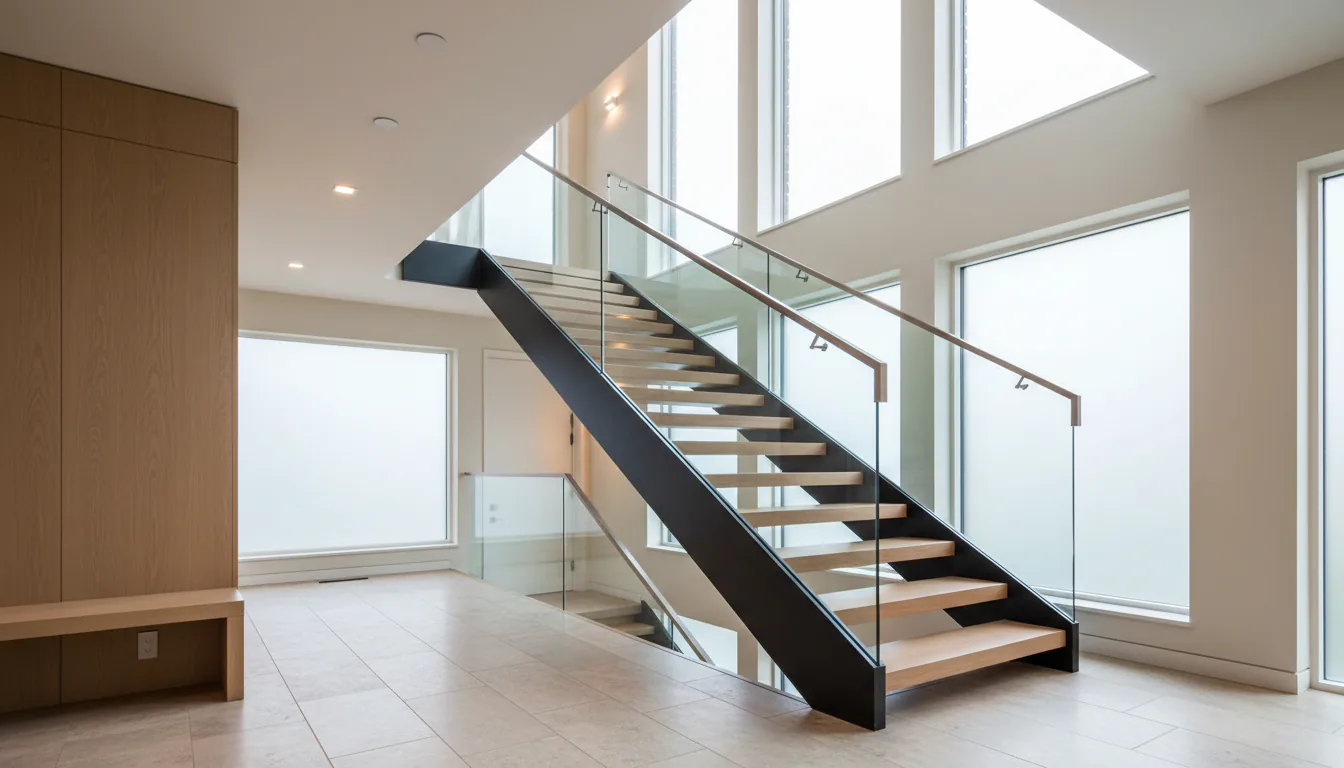
Residential Staircase
Designed for New Westminster sites, pricing, local planning notes, and finish guidance on the product page.
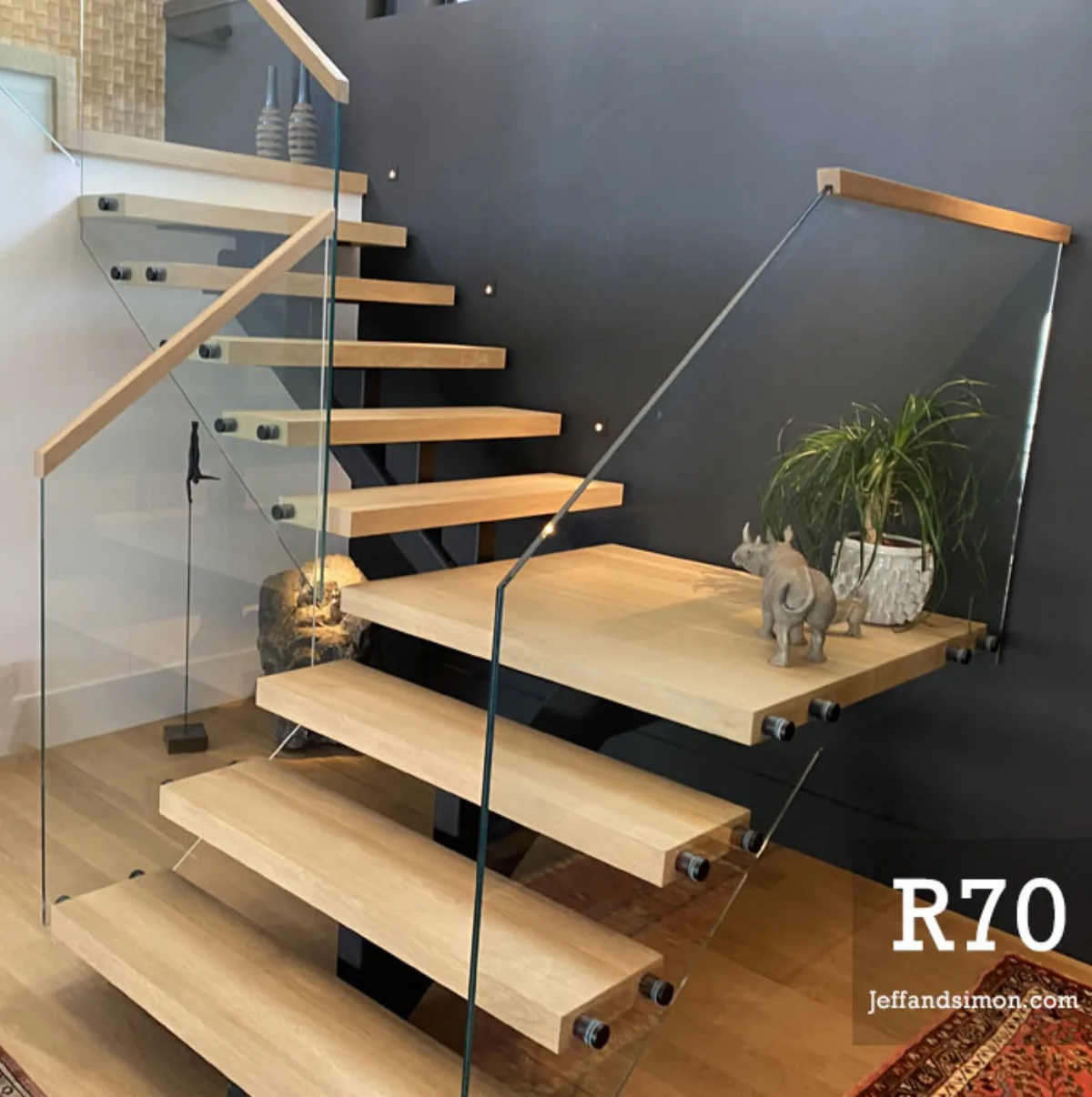
Mono Stringer Staircase
Designed for New Westminster sites, pricing, local planning notes, and finish guidance on the product page.
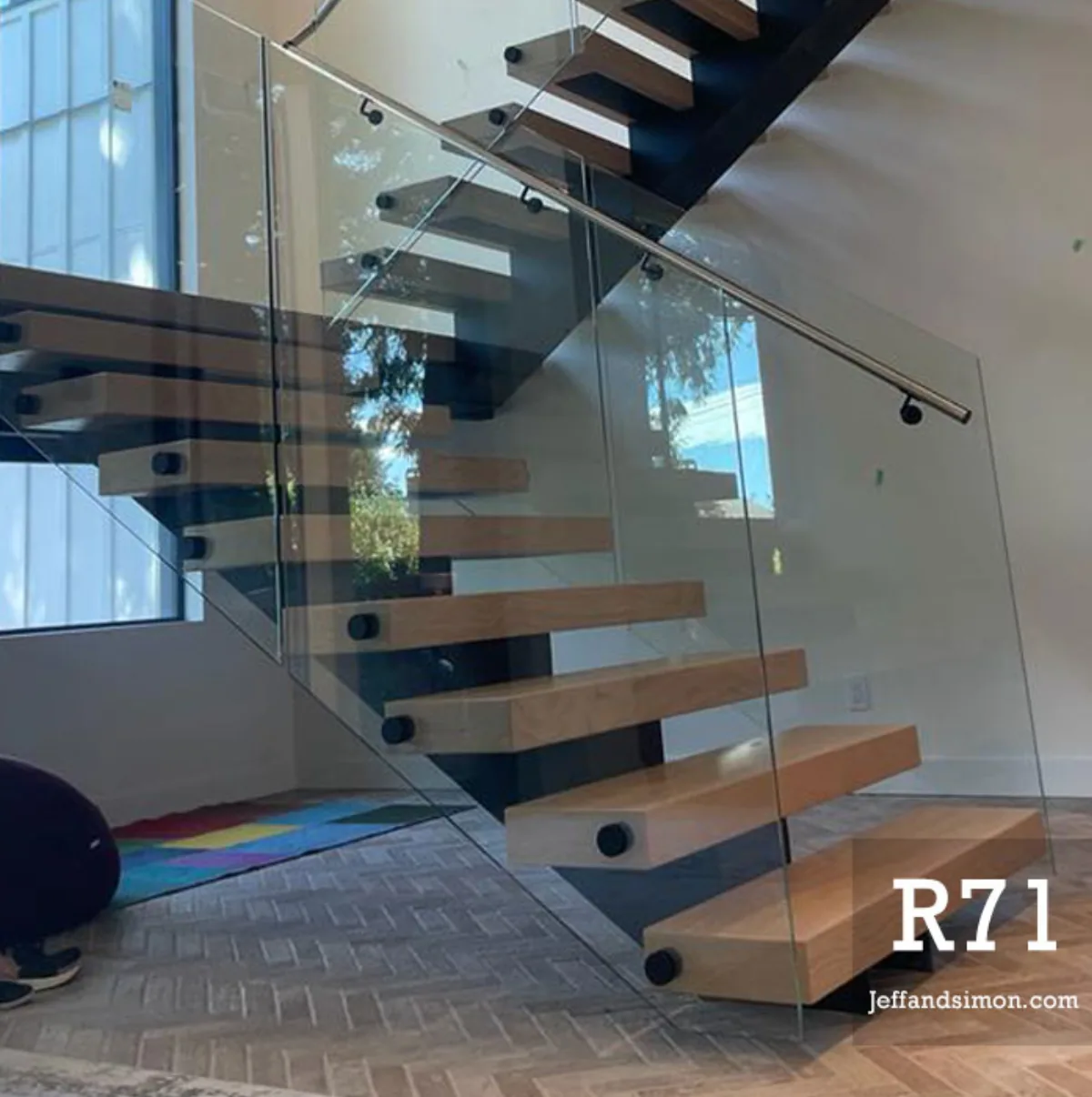
Floating Staircase
Designed for New Westminster sites, pricing, local planning notes, and finish guidance on the product page.
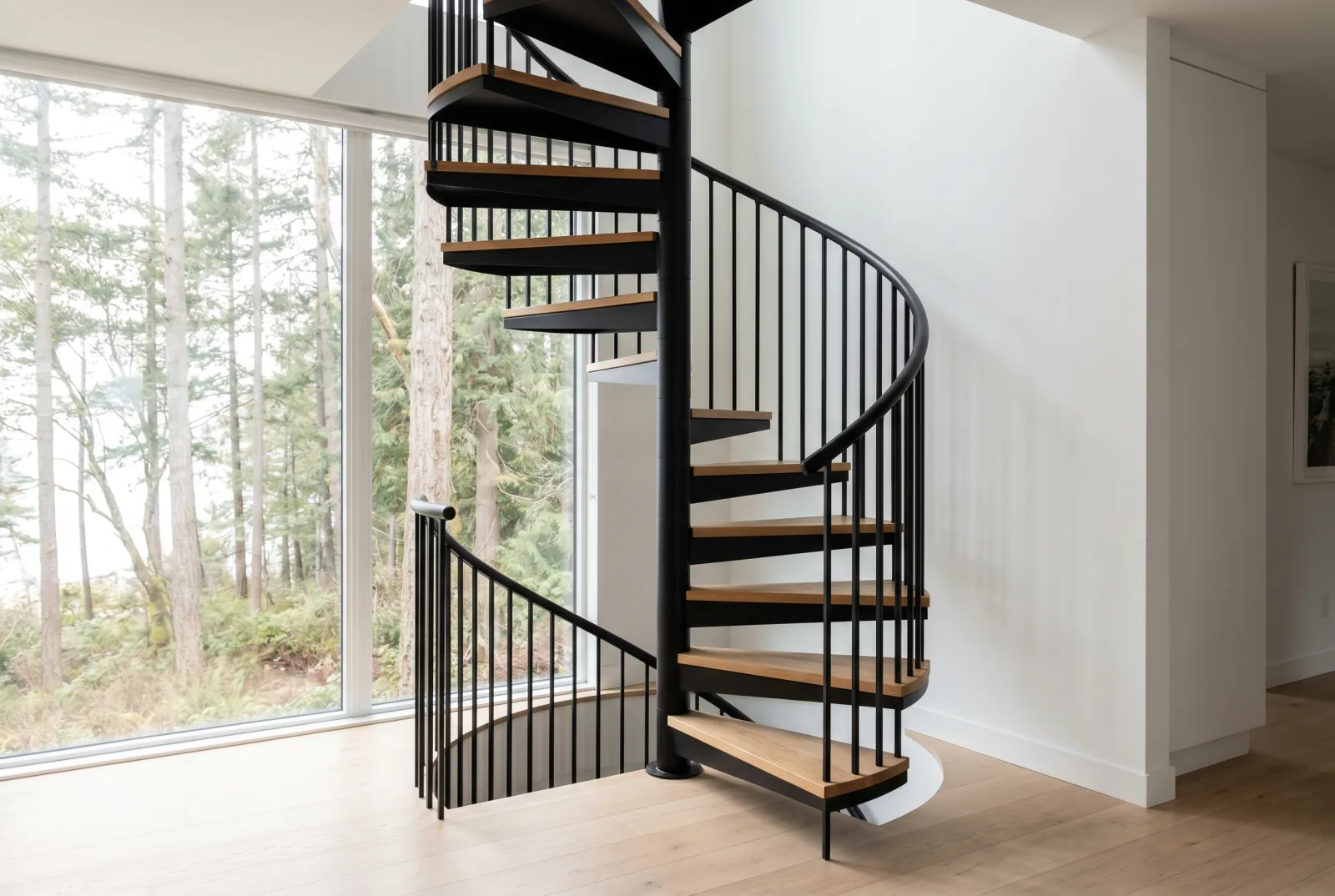
Spiral Staircase
Designed for New Westminster sites, pricing, local planning notes, and finish guidance on the product page.
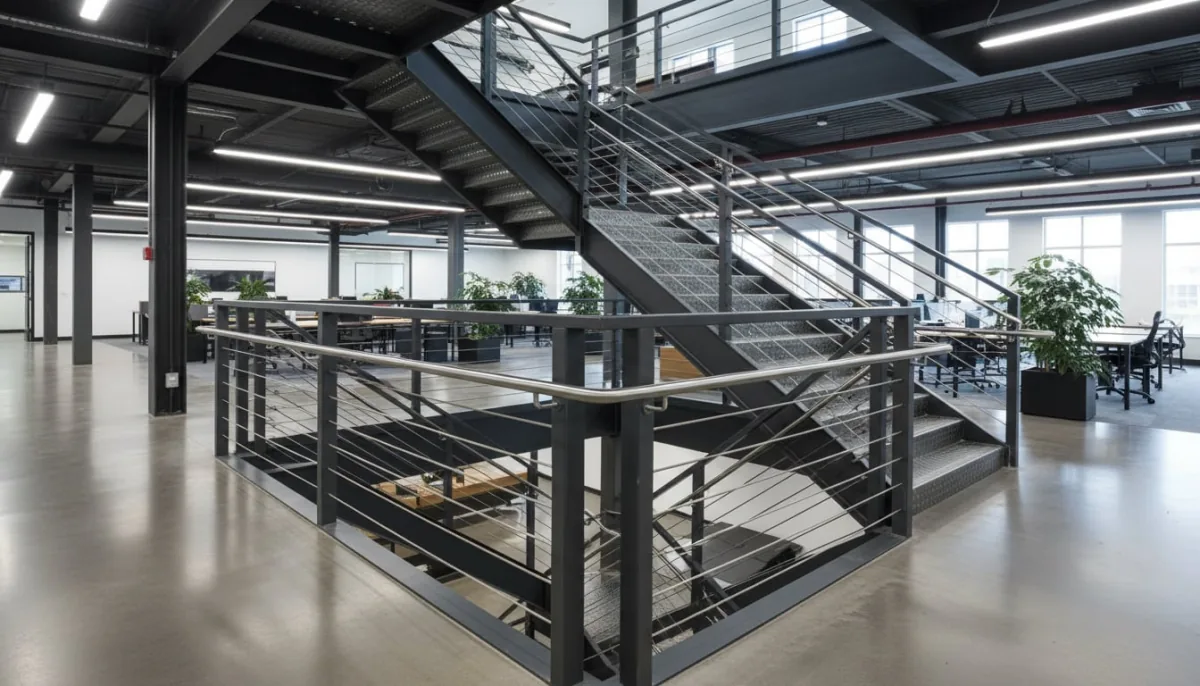
Cable Railings
Designed for New Westminster sites, pricing, local planning notes, and finish guidance on the product page.
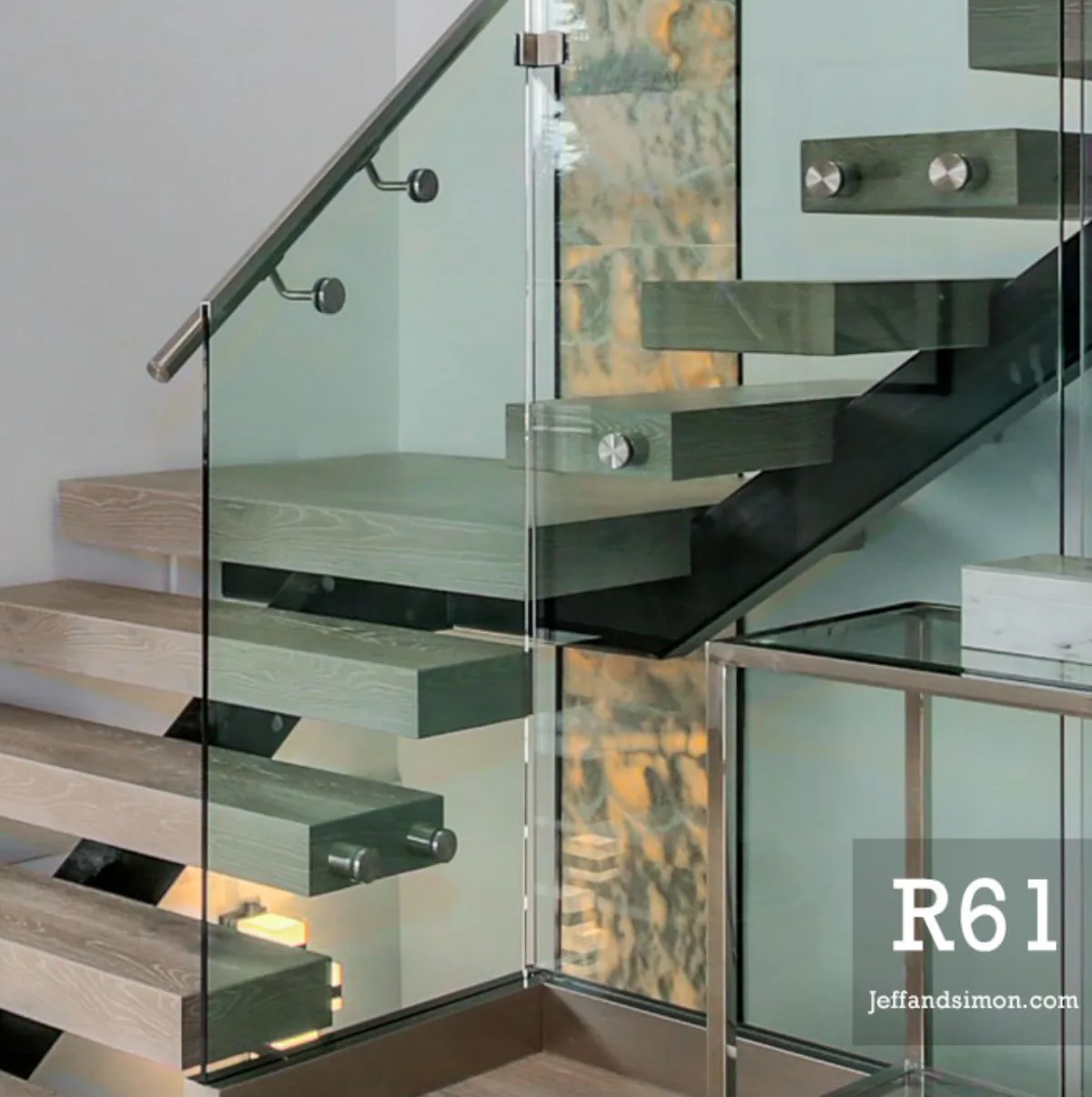
Glass Railings
Designed for New Westminster sites, pricing, local planning notes, and finish guidance on the product page.
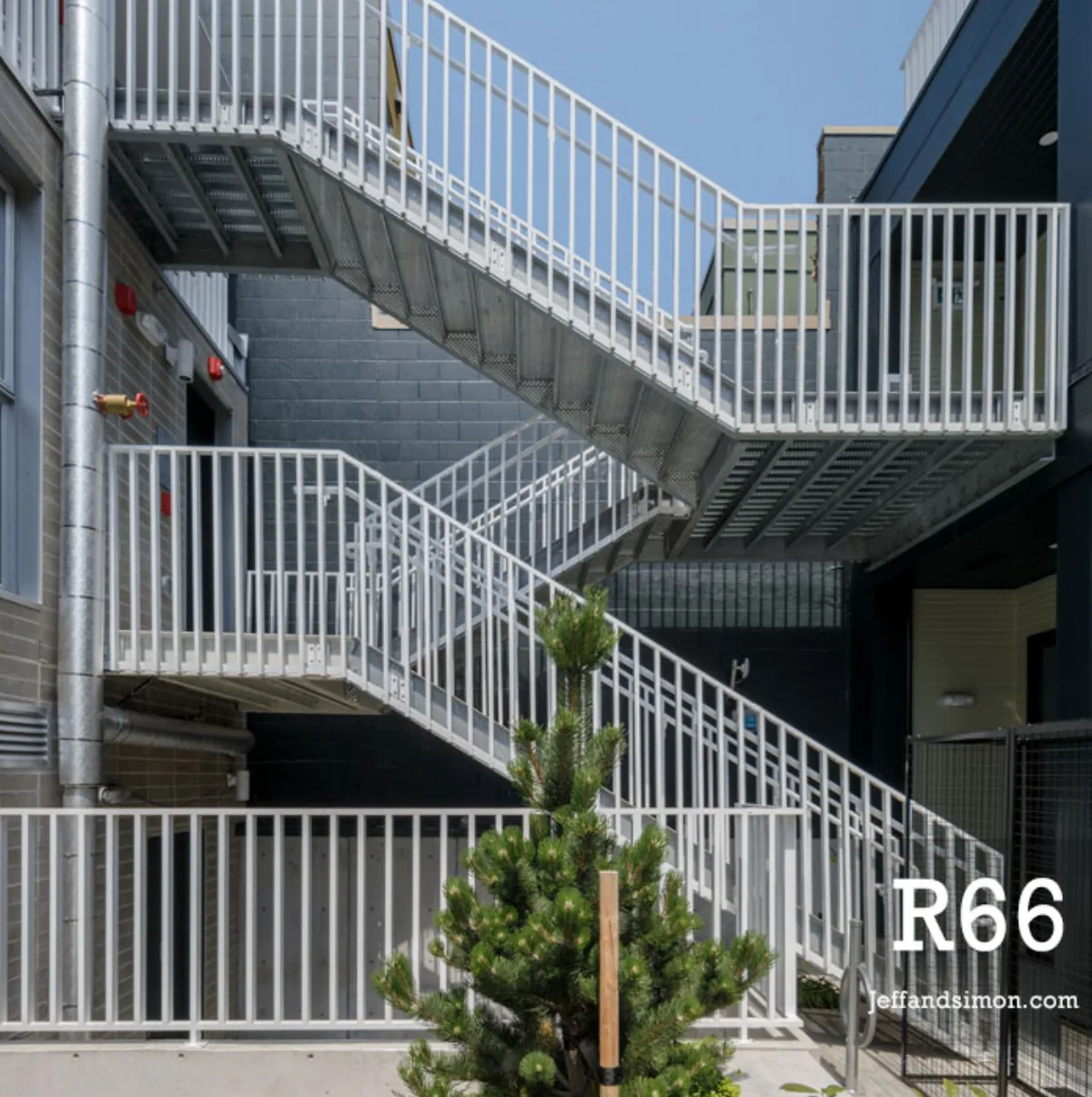
Strata Railings
Designed for New Westminster sites, pricing, local planning notes, and finish guidance on the product page.
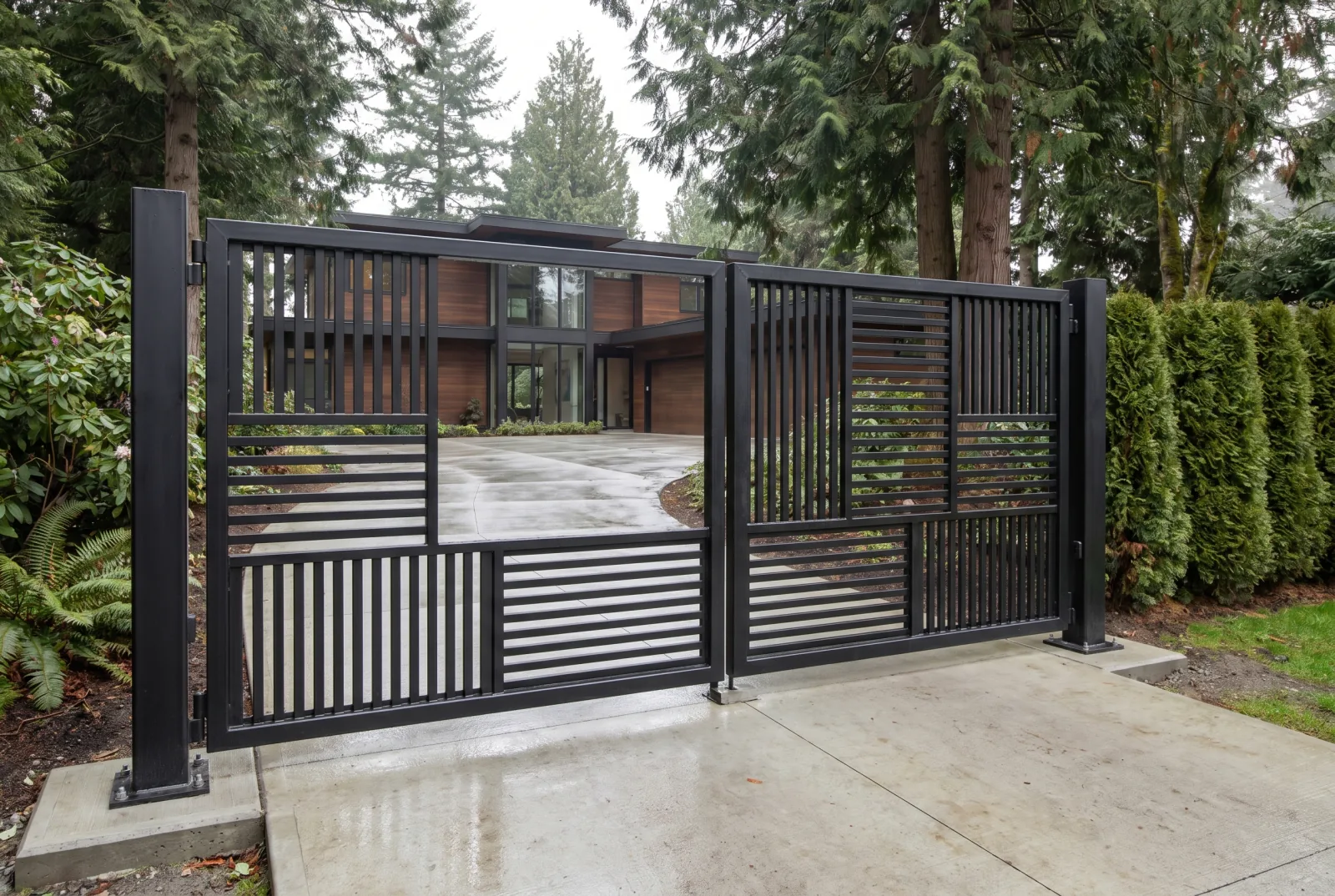
Driveway Gates
Designed for New Westminster sites, pricing, local planning notes, and finish guidance on the product page.
New Westminster project questions.
How do heritage constraints in Queens Park affect stair and railing projects?
Queens Park is a heritage conservation area, and some properties have design guidelines that affect exterior alterations, guard heights, and visible hardware. We review the applicable guidelines early in the project and flag anything that affects the design or permit process before shop drawings are issued.
Does river exposure near the Fraser affect finish specification in New Westminster?
Yes, particularly for Queensborough and waterfront Downtown properties. River-adjacent sites see elevated moisture that accelerates corrosion on standard powder-coated hardware. We recommend a marine-primer base coat or stainless hardware for any exterior railing or stair element near the riverfront.
What types of stair projects are most common in New Westminster?
New Westminster's mix of heritage homes, older multi-family buildings, and river-adjacent townhomes generates a consistent demand for stair replacements, guard upgrades, and interior renovations. The older building stock often means structural review is needed before the stair design is finalized, we include this as part of the quote process.
Other areas we serve.
Vancouver Stairs fabricates and installs from our Burnaby shop across the Lower Mainland, North Shore, Tri-Cities, Fraser Valley, and Sea-to-Sky.
Planning guides for your project.
Plan a metal stair or railing project in New Westminster
Send drawings, photos, or a rough scope and we will help define the practical next step.