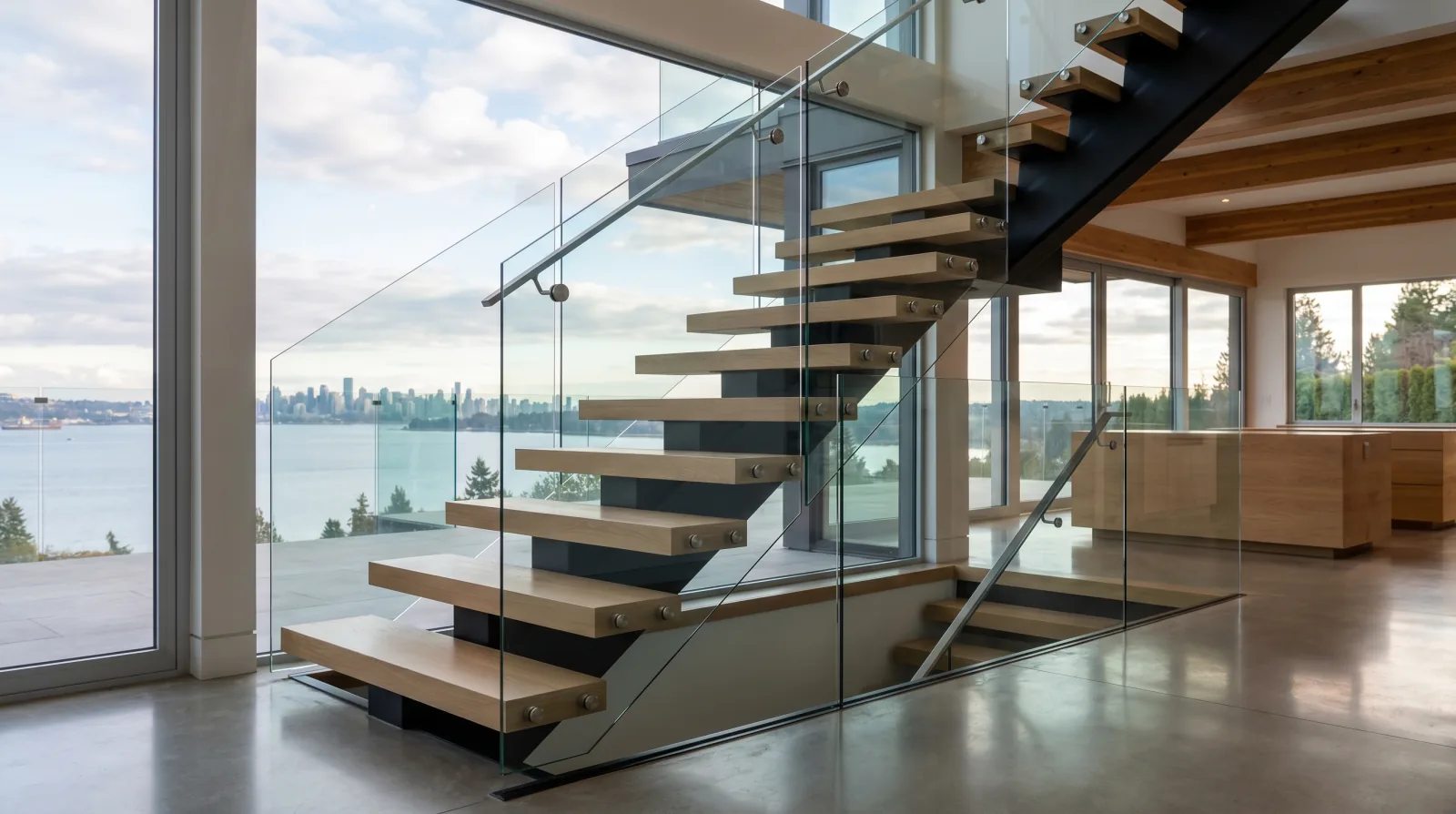
Metal stairs and railings in West Vancouver.
West Vancouver work tends to be design-led, with feature stairs, glass guards, gates, and canopies built for high-exposure view properties.
West Vancouver is the most design-led stair market on the North Shore, and one of the most demanding in the country. A typical project on this side of the inlet is architect-drawn, interior-designer coordinated, and pulled together by a general contractor used to working with millwork, stone, and steel on the same wall. The feature stair is almost always the visual centrepiece of the entry, and the budget reflects that. The fabrication scope follows the design ambition, not the other way around.
The other shaping fact about West Vancouver is the geography. The District sits on a south-facing slope between Hollyburn and Burrard Inlet, with waterfront from the Capilano River through Ambleside, Dundarave, West Bay, Caulfeild, Eagle Harbour, and out to Horseshoe Bay. Salt air sits on the lower properties year-round. The upper slopes get materially more rain than the airport plate, and the British Properties run from sea level up past 300 m on hillsides that almost always need geotechnical input. Every one of those conditions changes how steel is detailed, finished, and installed.
Building stock shapes the stair scope.
The lower benches in Ambleside and Dundarave still carry a mix of pre-war and immediate post-war single-family homes, with newer infill threaded between them. A handful of these are on the District's Community Heritage Register, and twelve are municipally designated, including the Rush House on 12th Street, which sits in the historic Ambleside core (westvancouver.ca). Designation matters when an exterior stair, canopy, or street-visible railing is part of the scope, because the District protects exterior character on designated properties by bylaw. Most adjacent character homes are not designated, but the Ambleside Local Area Plan still encourages retention of street-facing form. The practical reading: confirm the designation status before drawings are finalized.
From the late 1950s through the 1970s, West Vancouver became one of the proving grounds for the West Coast Modernist school. Arthur Erickson, Ron Thom, Barry Downs, and the Thompson, Berwick and Pratt office worked across the District, and a recognizable share of the housing stock from that period is post-and-beam, single-storey or split-level, with low rooflines and exposed Douglas fir structure. Replacing an original wood stair in one of these houses is rarely a simple swap. The exposed beam locations were sized for the original load path, the floor framing often skips a header at the stair opening, and any modern open-tread design has to reconcile its new connection points with structure the architect intended to leave visible.
The hillside neighbourhoods, British Properties, Chartwell, Sandy Cove, and the upper Caulfeild slopes, are dominated by 1980s and 1990s spec houses, with a steady current of recent tear-down and rebuild activity. Lots are large, slopes are steep, and most new builds carry a geotechnical report tied to the building permit (westvancouver.ca). The stair openings in these houses are usually generous, ceilings are tall, and the design brief almost always asks for a single sculptural run from foyer to second floor. Curved stringers, three-storey switchback runs anchored to engineered shear walls, and floating treads at the upper landing are all common. The structural drawings have to land at the same time as the architectural, because the connections drive both.
Climate exposure decides the finish strategy.
West Vancouver's rainfall reads heavier than the city to the south. The waterfront sits in a wetter band than YVR, and the Hollyburn and Cypress elevation band is wetter again. Confirm the local figure with Environment Canada for any specific site. The practical effect on exterior steel is straightforward: a finish that performs through one Vancouver winter on the Cambie strip will not perform the same on a Bellevue Avenue install exposed directly to Howe Sound. Detailing has to account for the wetter exposure, the longer wet season, and the marine air that comes with it.
Coastal exposure is the other half of the equation. Waterfront properties from Ambleside through Horseshoe Bay sit in direct ocean spray on most weather patterns. Type 316 stainless, alloyed with roughly 2% molybdenum, is the practical minimum for any exposed fastener, cable infill, or stainless hardware near saltwater, since 304 stainless will tea-stain and pit on the same install. This is consistent with general marine-grade guidance from cable railing suppliers and stainless reference material. Even with 316, a freshwater rinse on a regular cadence keeps the finish where the architect drew it. For carbon-steel structural elements that have to live outside, the canonical detail is hot-dip galvanizing to ASTM A123, followed by a sweep blast and a duplex polyester powder coat or marine-grade liquid topcoat. Bare painted steel does not survive a winter on the water.
Higher elevations add freeze-thaw. The snow load baseline used on most West Vancouver projects sits at the Lower Mainland 1.6 kPa figure, but properties on Cypress Bowl Road, in Chartwell, and on the upper British Properties benches can carry higher design loads, and the structural engineer of record sets the number. What that means for fabrication: exterior treads, landings, and guard posts on hillside installs see a real freeze-thaw cycle, water finds every uncoated weld, and an unsealed joint in a galvanized cap will weep rust by the second winter. Closing welds, draining pockets, and detailing post bases so they sit proud of the deck surface are the small moves that keep a high-exposure install looking right past year five.
Persistent fog along the shore is the often-overlooked finish driver. Marine fog rolling in off Howe Sound deposits a thin chloride film on every horizontal surface, and unlike a rain event, fog does not rinse the surface clean, it leaves the salt behind. On a Bellevue Avenue or West Bay install, that translates into a finish maintenance schedule, not just a finish spec. Stainless cable infill on a waterfront stair benefits from a quarterly freshwater wash through the wet season. Painted carbon steel benefits from an annual visual check on welds, post bases, and any cut edge that was field-finished. None of this changes the fabrication scope, but it does change the conversation with the homeowner before sign-off, because expecting a coastal install to look new at year ten without maintenance is not realistic.
The scopes we see most in West Vancouver.
Feature curved staircases come up more often in West Vancouver than in any other Lower Mainland city. The geometry, a continuously rolled stringer plate or a segmented box stringer wrapped in millwork, is set early, because the rolling shop, the engineer, and the architect have to agree on radius, tread pitch, and the centre-line of the rail before fabrication begins. Tolerances on these stairs run tight, in the ±3 mm range at the tread, because there is no skirt or wall return to absorb error. Hand-rubbed finishes, bronze, blackened steel, hand-applied wax over duplex base, are common on the visible portions. The shop drawings carry more detail than the architectural drawings on most of these projects.
Sculptural mono stringer runs are the second recurring scope. The brief is usually one central steel beam, treads cantilevered equally on either side, open risers, and a glass or cable guard that disappears into the visual. The stringer is sized by the engineer for span, tread cantilever, and the dynamic loading expected on a residential stair. Connections to the floor framing, top landing, base plate at the foyer, are detailed before steel is ordered, since the engineered floor opening has to carry the beam reaction without telegraphing flex into the finished tread. On open-concept West Coast Modernist renovations, the same mono stringer often has to share a sightline with the original exposed roof beam, and the proportion of the new steel section is set by what reads correctly alongside the existing wood.
Cantilevered floating stairs with a concealed armature are the third common ask, particularly in new British Properties builds. The tread support is a steel embed plate or tube pocket buried in a structural wall, usually a steel-reinforced stud wall or a CMU back-up, and the wall is engineered to carry the dynamic load before the drywall is closed. Once that wall is finished, access to the embed is gone, so the structural inspection and the fabrication tolerance both have to be settled while the back is still open. Glass guards with minimal hardware, point-fixed standoffs, top-mounted spigots, or fully frameless panels with channel base, are the usual railing on this stair type. Cable infill with 316 hardware shows up on exterior versions and on waterfront balconies. Exterior stair replacement on Bellevue, Marine Drive, and Eagle Harbour addresses leans heavily on hot-dip galvanizing with a duplex topcoat, because anything less rusts on the same schedule the install was meant to outlast.
Permit and AHJ workflow.
The District of West Vancouver requires a building permit for any structure on a property, and the published list specifically names retaining walls, stairs, pools, and decks (westvancouver.ca, confirm with the authority having jurisdiction). For structural stair work, the permit package has to include architectural drawings, site plan, floor plans, elevations, cross-sections, and structural drawings sealed by a registered professional engineer. Applications are accepted in PDF only. Incomplete submissions are not accepted, which means the engineer's structural set, the architect's coordination, and the survey package all have to land at the same time.
Hillside sites add a geotechnical layer. New construction, additions, and significant alterations on sloping properties almost always carry a geotechnical report. The structural drawings have to reconcile to the geotechnical assumptions, and that coordination is where stair connection details on a steep British Properties site take longer than a comparable Burnaby install. Heritage layered on top, designated properties, plus the additional review under the Ambleside Local Area Plan and the District's character-retention guidance, can add a design review step for street-visible exterior work. On any designated property, an exterior alteration is a separate process from the standard building permit. Interior stair work usually does not trigger heritage review, but it is worth confirming the property's status on the Community Heritage Register before fabrication starts.
Coordination, access, and delivery.
Drive time from the Burnaby shop into West Vancouver runs roughly 35 to 60 minutes depending on bridge choice and time of day. The Lions Gate route through Stanley Park is the shorter mileage but the most variable, particularly on Friday afternoons and weekend mornings heading toward Whistler. The Ironworkers crossing and Marine Drive west through North Vancouver is longer but more predictable. Ambleside and Dundarave addresses are the fastest from either route. Horseshoe Bay, Caulfeild, and Eagle Harbour add another 15 to 20 minutes once the truck is past Park Royal.
Site access on the upper hillside neighbourhoods is the real constraint. Many British Properties and Chartwell driveways are steep, narrow, and curved, which rules out a long-bed truck and limits the swing radius of a Hiab. Larger assemblies, curved stringers, multi-storey mono runs, full glass panels, are usually broken into pieces sized for hand-carry or smaller equipment, and a crane lift is staged from the closest level street with a path planned to the install location. On waterfront properties along Marine Drive, lane closures and traffic-control coordination with the District are sometimes needed for any install that overhangs the curb. The logistics plan is settled with the GC before steel leaves the shop, not on the day of delivery.
Multi-trade scheduling on West Vancouver projects is the other coordination piece. A feature stair on an architect-led build typically lands after structural framing, after rough mechanical and electrical, and before millwork finish and stone. The install window is usually a few days, sometimes split across two visits when the glass guard, the cable infill, or the timber tread component arrives from a separate supplier. Holding that window matters because the trades following, flooring, painting, millwork, all key off the finished stair as a reference for sightlines and protection. The fabricator's protection plan for treads, guards, and finished steel during the rest of the construction sequence is part of the install scope, not an afterthought.
How to start a West Vancouver project.
The strongest West Vancouver projects bring the fabricator in while the architectural set is still being coordinated with the engineer and the geotechnical consultant. Send the architectural and structural drawings, site address, neighbourhood, elevation and slope context, finished-floor build-up, target exposure (interior, sheltered exterior, direct waterfront), and the install window the GC is working toward. Photos of the existing stair opening, the surrounding floor framing, and the site approach help separate a clean fabrication scope from a project that needs engineering, geotechnical input, or heritage review before any steel is cut.
Neighbourhoods we work in.
Ambleside, Dundarave, British Properties, Caulfeild, Horseshoe Bay, Chartwell.
City signals
Drive time: 35-55 minutes
Snow load signal: 1.8 kPa
Adjacent cities: North Vancouver, Squamish
Shop: 2544 Douglas Road #106, Burnaby BC
Popular West Vancouver product routes.
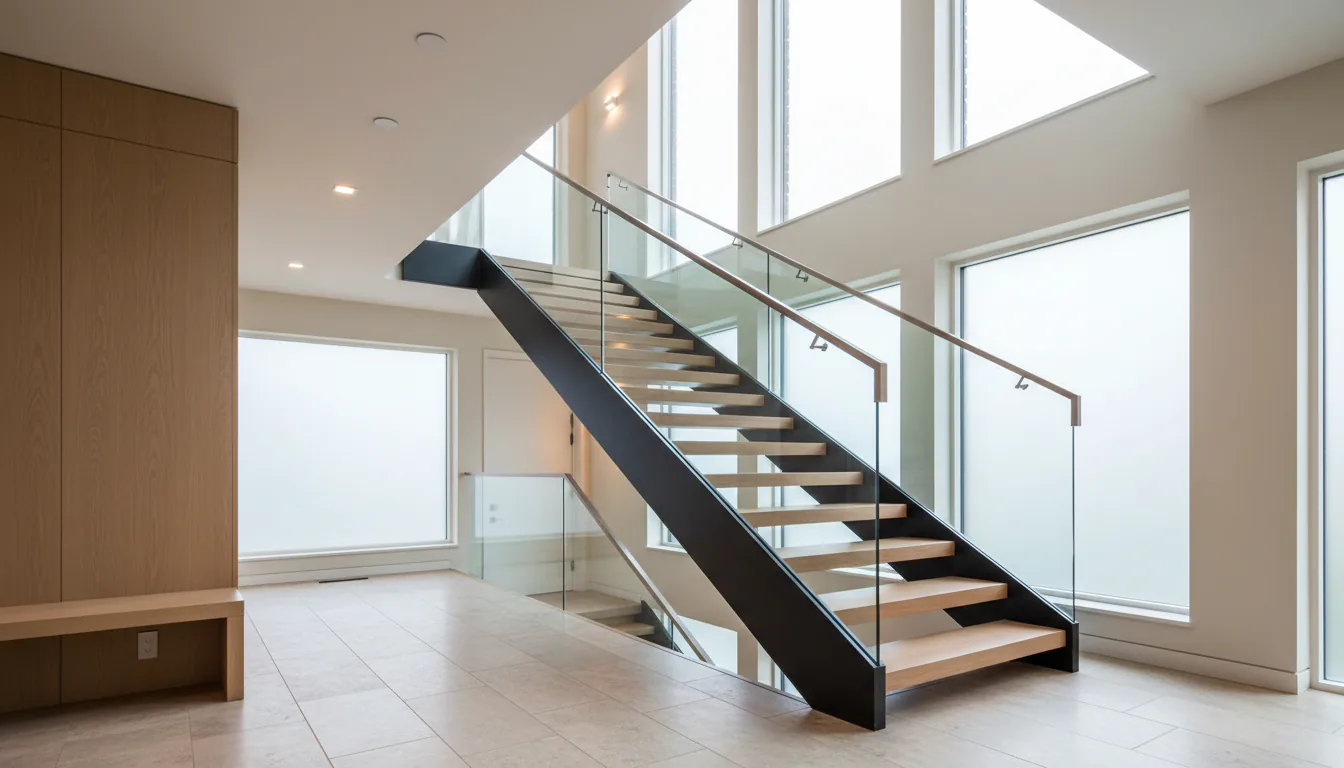
Residential Staircase
Designed for West Vancouver sites, pricing, local planning notes, and finish guidance on the product page.
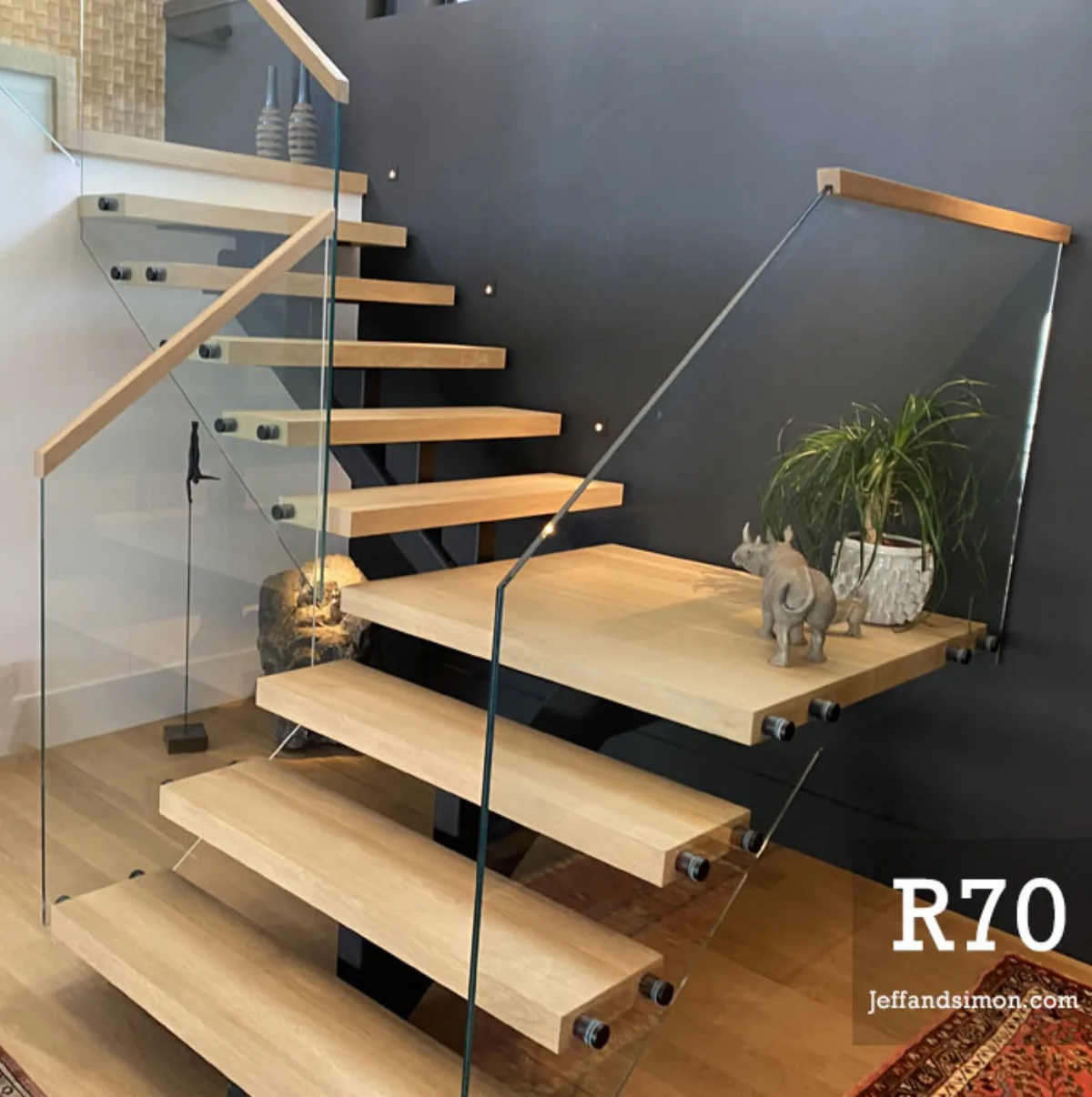
Mono Stringer Staircase
Designed for West Vancouver sites, pricing, local planning notes, and finish guidance on the product page.
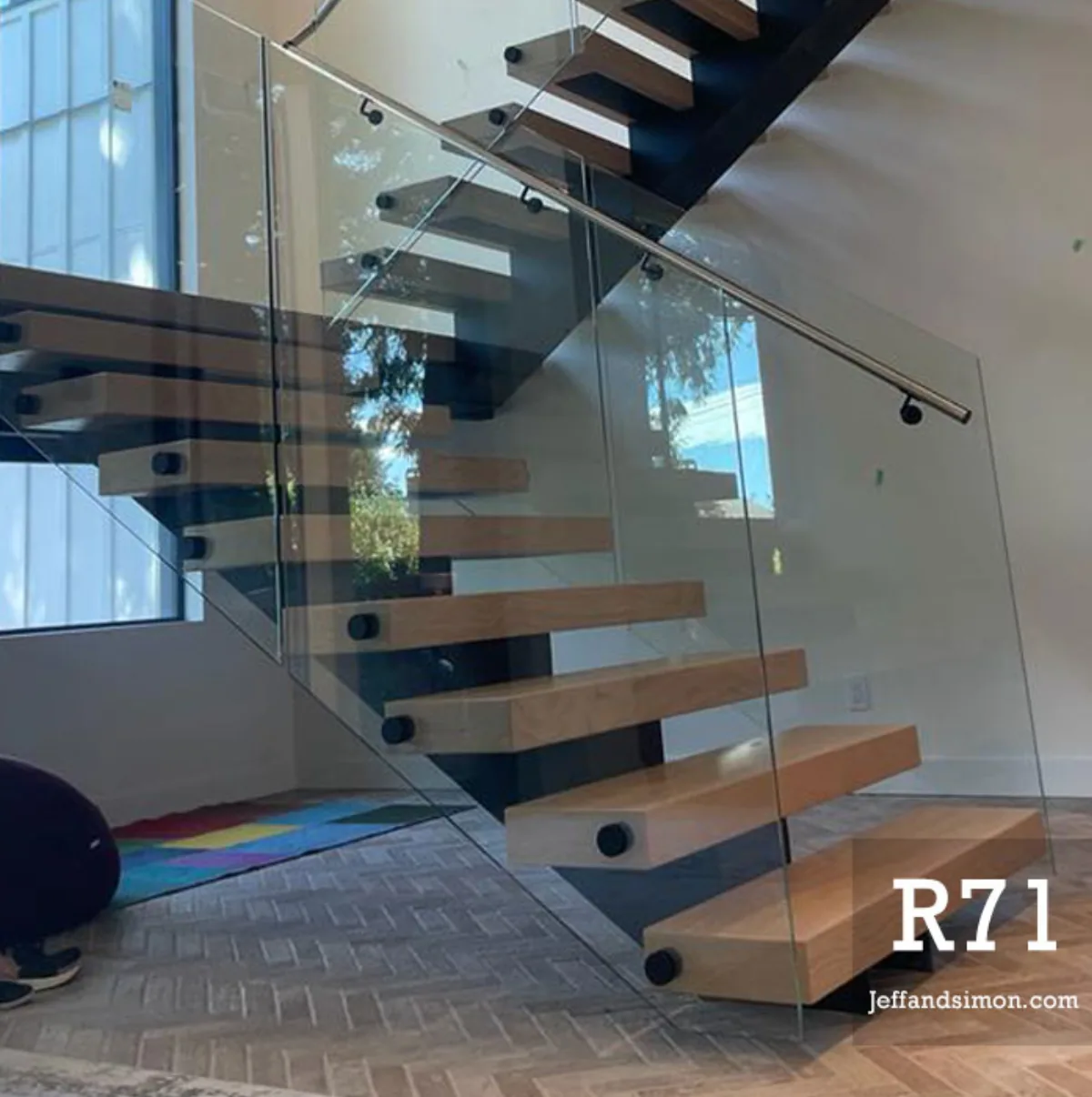
Floating Staircase
Designed for West Vancouver sites, pricing, local planning notes, and finish guidance on the product page.
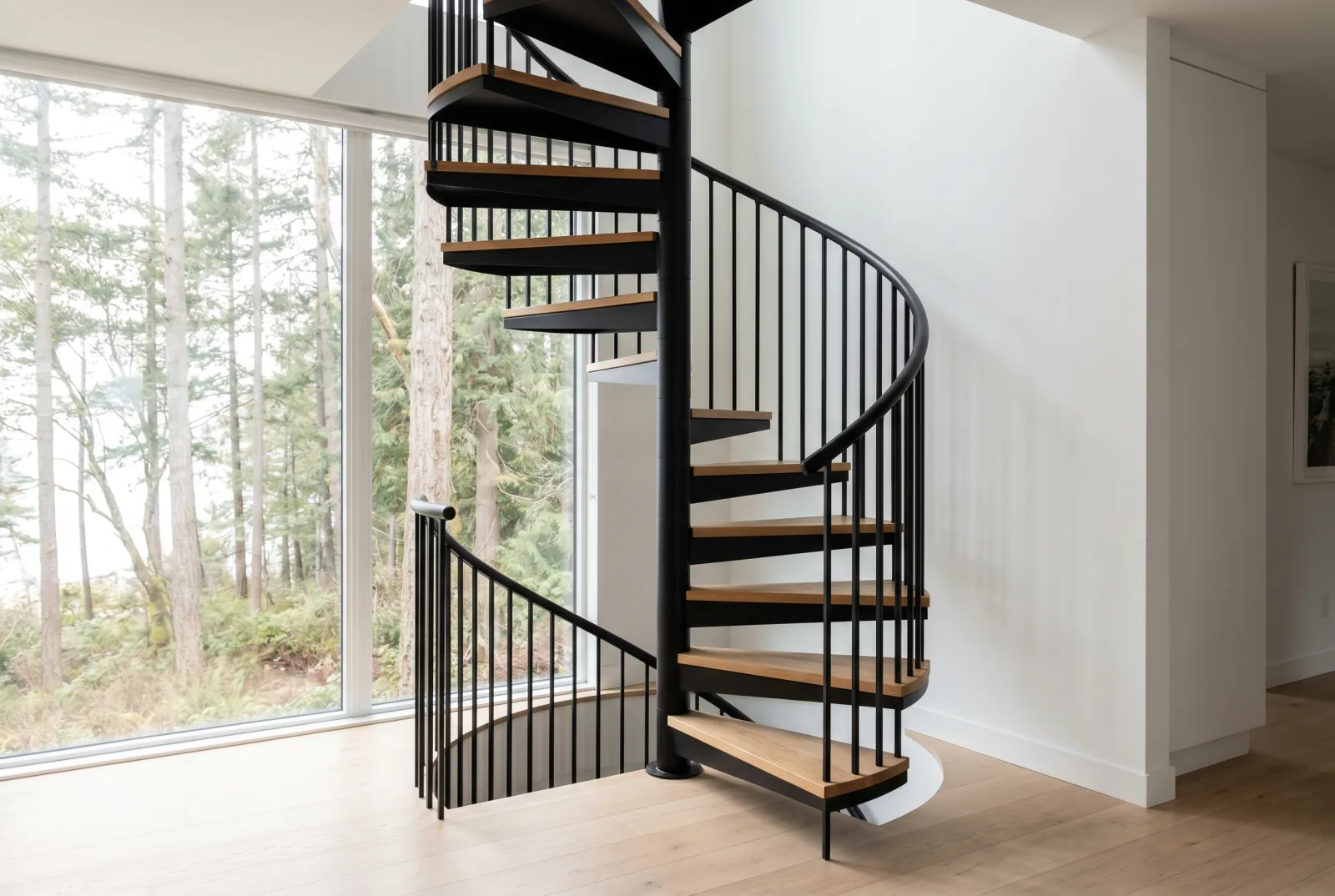
Spiral Staircase
Designed for West Vancouver sites, pricing, local planning notes, and finish guidance on the product page.
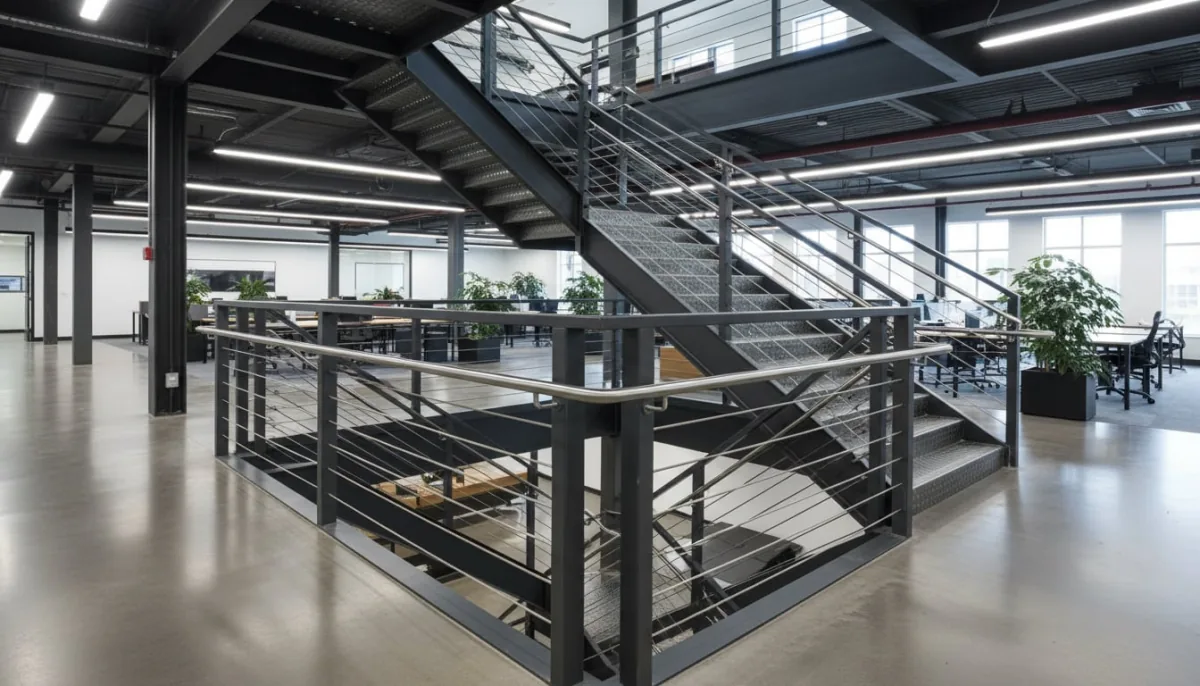
Cable Railings
Designed for West Vancouver sites, pricing, local planning notes, and finish guidance on the product page.
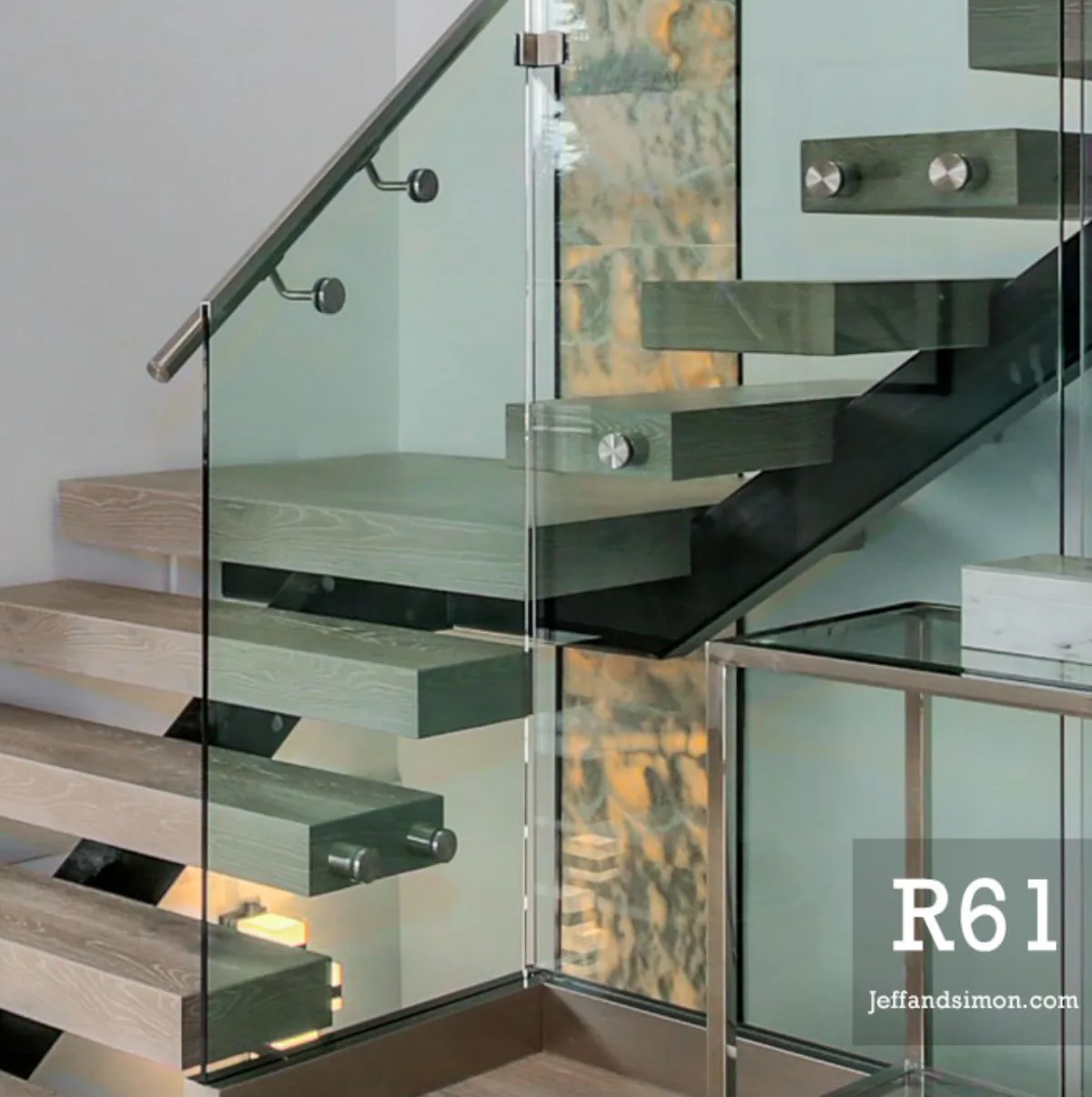
Glass Railings
Designed for West Vancouver sites, pricing, local planning notes, and finish guidance on the product page.
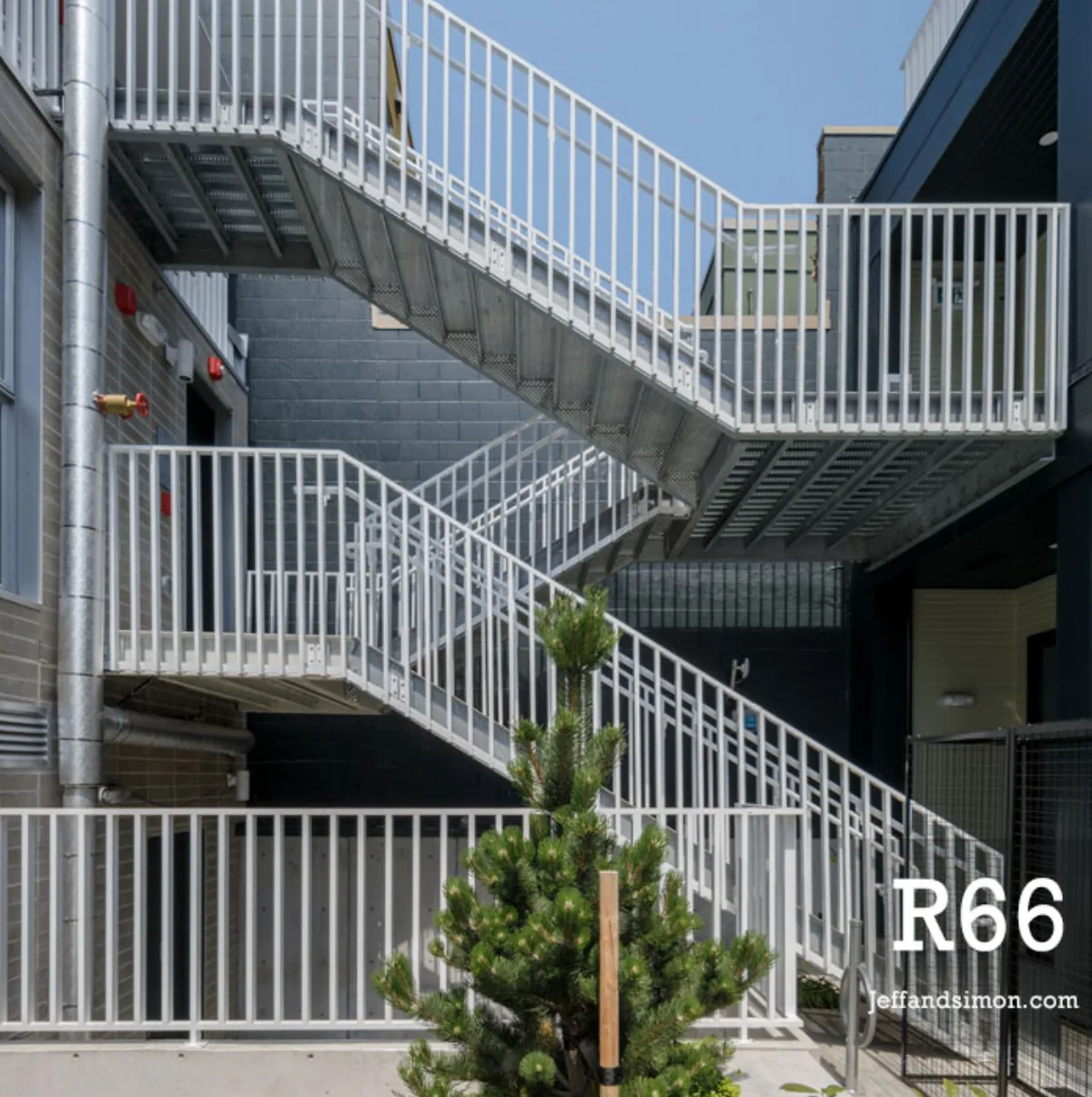
Strata Railings
Designed for West Vancouver sites, pricing, local planning notes, and finish guidance on the product page.
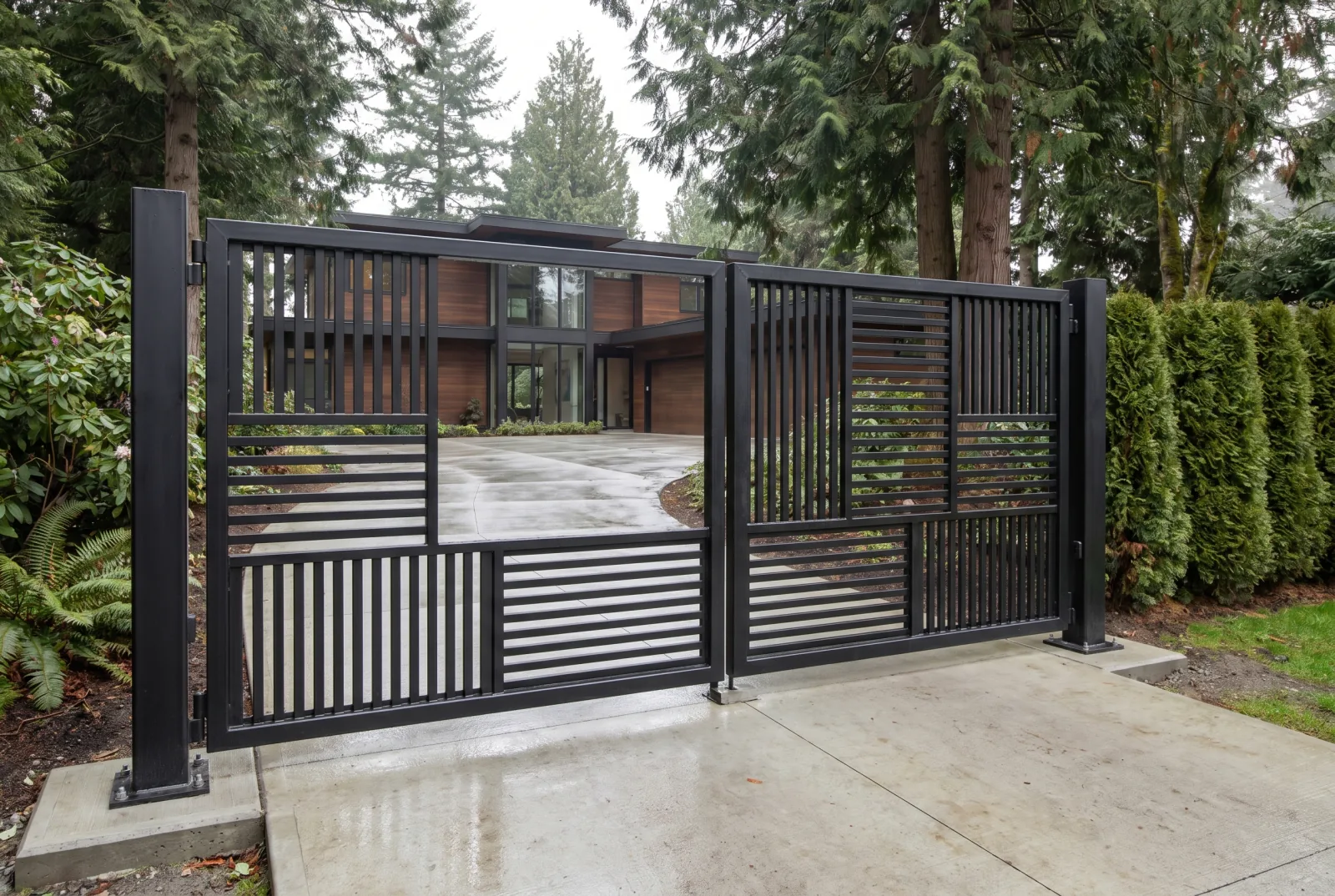
Driveway Gates
Designed for West Vancouver sites, pricing, local planning notes, and finish guidance on the product page.
West Vancouver project questions.
How does West Vancouver's design culture shape stair and railing projects?
West Vancouver projects tend to be design-led, with architects and interior designers involved from early in the process. The stair is usually a feature, not just a means of access, which means tighter tolerances, more complex guard profiles, and more time spent on shop drawing review. We work directly with design teams throughout.
What hardware should be specified for West Vancouver waterfront properties?
Properties near Ambleside, Dundarave, and Horseshoe Bay are exposed to marine salt air, standard powder-coated steel hardware corrodes faster in this environment. We specify 316 stainless fittings and cable for any waterfront-adjacent project and recommend marine primer under powder coat for all exposed structural steel.
Are permit timelines longer in West Vancouver than other municipalities?
They can be, particularly for hillside, view-sensitive, or complex properties. Some West Vancouver projects involve geotechnical review or additional engineering sign-off that adds time to the process. We factor realistic permit lead times into the project schedule from the start.
Other areas we serve.
Vancouver Stairs fabricates and installs from our Burnaby shop across the Lower Mainland, North Shore, Tri-Cities, Fraser Valley, and Sea-to-Sky.
Planning guides for your project.
Plan a metal stair or railing project in West Vancouver
Send drawings, photos, or a rough scope and we will help define the practical next step.