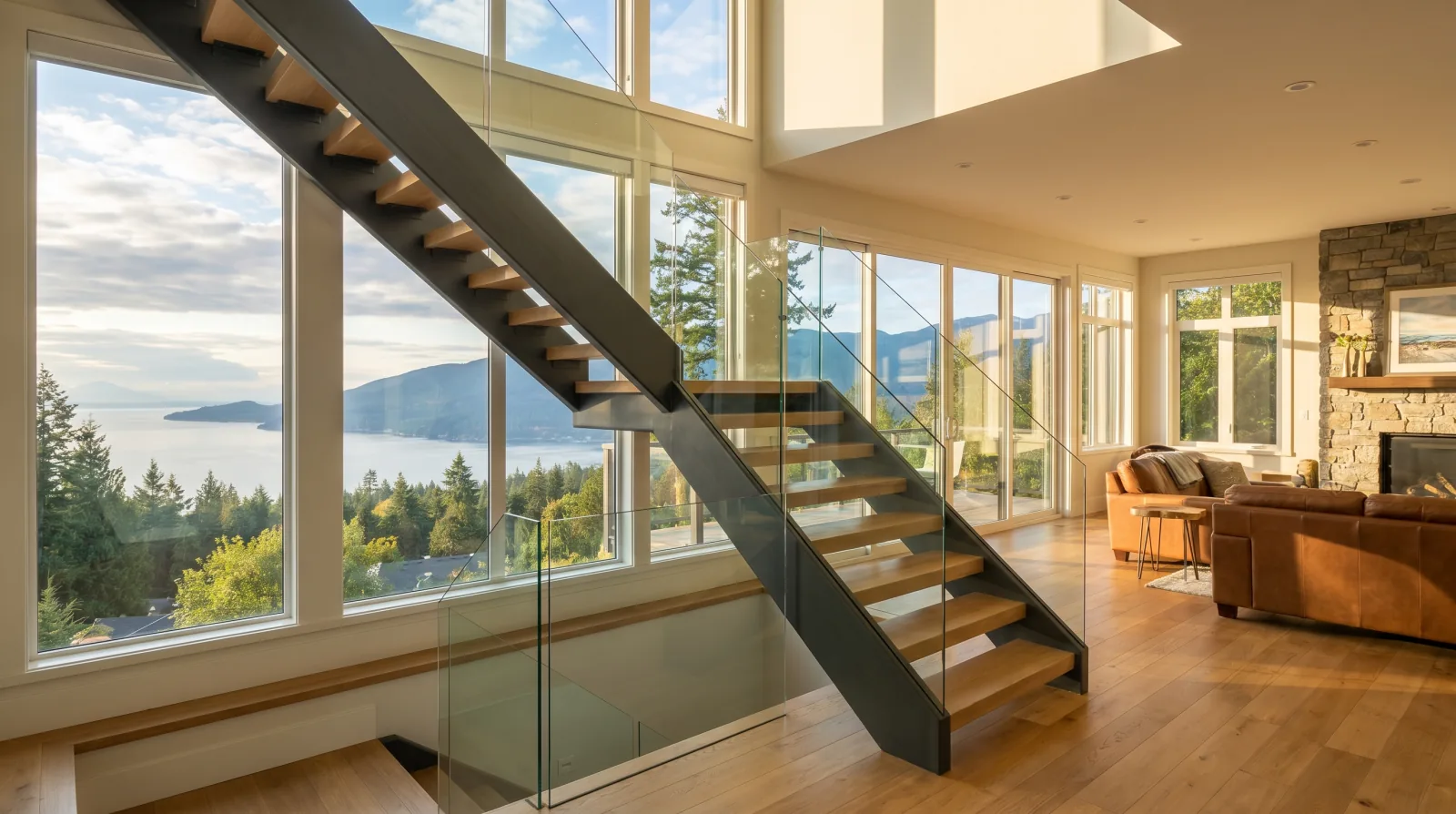
Metal stairs and railings in Port Moody.
Port Moody projects often pair view-focused railings with modern residential metalwork in wet, inlet-adjacent conditions.
Port Moody is the smallest of the Tri-Cities and the one whose street grid is most shaped by water. The city wraps the easternmost arm of Burrard Inlet, climbs the hillsides above Rocky Point, and pushes inland up the Heritage Mountain bench. Every stair project we draw for a Port Moody address ends up being a conversation about three things at once: the level the floor framing actually sits at, the salt air drifting in from the inlet, and how the crew will move steel into a site that is either tight against an old Moody Centre lot line or perched on a steep view lot.
Our shop is in Burnaby, twenty-five to forty minutes east via Highway 1 and the Barnet Highway depending on the time of day. That puts most Port Moody jobs inside a comfortable single-trip install window for a stringer or a guard, and inside a two-trip window for a full mono stringer or floating stair where the structural piece and the tread pack ship separately. The notes below are how we plan stair scopes here, neighbourhood by neighbourhood.
Building stock shapes the stair scope.
Heritage Mountain is the upscale residential hillside on the north side of the city, built out mostly through the 1990s and into the 2000s. The houses are larger than the Tri-Cities average, often three storeys with a walkout basement, and they were built on view lots so the main floor frequently sits well above grade at the front and at grade at the back. That arrangement produces non-standard floor-to-floor heights, mid-level landings facing the view, and a recurring scope where the original carpeted stair is pulled out and replaced with a steel feature stair, usually a mono stringer or a cantilevered run, sized to the existing rough opening rather than to a code-minimum 11/7 layout.
College Park and Glenayre are the older neighbourhoods on the western side of the city, between Barnet Highway and the Burnaby boundary. The stock is mid-century: 1960s and 1970s ranchers and split-levels, with the occasional later infill. Renovation activity here is steady. Owners are usually opening up a split-entry foyer, replacing a closed-stringer wood stair with an open steel stringer, or adding a guard along an existing landing where the original wood pickets have failed inspection. Treads are commonly continuous oak or walnut to match new wide-plank flooring above.
Moody Centre is the historic core, and it is in the middle of a long transition. The blocks along Spring Street, Murray Street, and the rail corridor were light industrial and warehouse stock for most of the city's life, and from the mid-2010s onward they have been redeveloping into six- to twenty-six-storey mixed-use towers oriented to the Moody Centre and Inlet Centre SkyTrain stations. Suter Brook and Klahanie are the earlier wave; Wesgroup's Inlet District master plan on the former Coronation Park lands is the larger build still arriving. Stair work in this zone is split between strata guard replacement on aging mid-rise stock and lobby, amenity, and rooftop feature stairs in the new mixed-use product.
Climate exposure decides the finish strategy.
Burrard Inlet pushes salt air well into the eastern end of the basin. Old Orchard Park, Rocky Point, the Shoreline Trail, and the lower Inlet District sites all sit close enough to tidal water that exterior steel sees real chloride loading, especially in winter when southwesterly weather carries spray inland. We treat anything within roughly three blocks of the waterline as a marine-adjacent assembly. That means stainless fasteners as a default rather than an upgrade, and hot-dip galvanizing or a marine-grade primer system under topcoat for any structural steel that lives outdoors.
Our standing rule for exterior hardware in Port Moody is 304 stainless minimum for anything within sight of the inlet, and 316 stainless for anything that takes direct salt spray: guard posts on a waterfront deck, exposed cable terminations on a Rocky Point property, fasteners on a roof-deck stair at Inlet District. 316 costs more, but it is the alloy that does not pit when chlorides cycle wet and dry on a south-facing rail. Carbon steel structural members in those locations get hot-dip galv, then a high-build epoxy primer, then a urethane topcoat in the chosen finish colour. We avoid shop-paint-only finishes on exterior steel here; they look fine on day one and show rust freckle within two winters.
Interior work in Port Moody is a different conversation. The bigger climate variable indoors is humidity swing. Houses on Heritage Mountain run drier in winter because of higher elevation and stronger heating cycles; lowland houses near the inlet stay damper year-round. We size interior steel for the room it lives in, not just the load. Powder-coated indoor stringers get a zinc-rich primer underneath in waterfront houses so that any future leak or window-condensation drip does not start a rust bloom under the topcoat. Snow load at sea level on the Port Moody waterfront uses the 1.6 kPa baseline that applies across the lower Lower Mainland, and we check the BC building code snow map for any rooftop or deck stair sited above the Heritage Mountain bench, since the higher elevations there can carry a heavier design load.
The scopes we see most in Port Moody.
On Heritage Mountain the dominant scope is a feature stair for a custom new build or a major reno. Mono stringer is the most-requested style (one central steel beam, open risers, treads cantilevering equally on both sides) because it suits the view-house aesthetic and reads as the sculptural element in a double-height entry. Cantilevered stairs come up next, usually where the architect wants the treads to appear to grow out of a wall with no visible support. Floating stairs are a label clients use for both of the above, and we always clarify the support strategy on the first call: central spine, wall-anchored treads, or a hidden side stringer dressed to read as cantilevered. Each of those three has a different connection detail and a different price.
In College Park and Glenayre the work is almost always a replacement of an existing stair inside an existing opening. We measure the rough opening, confirm the floor-to-floor, confirm the head height at the top nosing, and figure out whether a code-current rise/run layout fits without moving framing. On a 1970s split-level it often does not, and the conversation becomes: do we open up the upper-floor framing for one extra tread, or do we run a slightly steeper layout under the existing non-conforming-but-grandfathered envelope. We do not guess at that decision; it goes to the structural engineer and the City of Port Moody plan reviewer.
In Moody Centre, Suter Brook, Klahanie, and Inlet District the work splits into two streams. The first is strata guard replacement on mid-rise buildings from the 2000s where the original aluminum or painted-steel rail is delaminating, bowing, or failing post anchorage on plank slabs. Those projects move through a property manager, an engineer of record, and sometimes a depreciation-report budget line, and the scope is repeatable across multiple identical balconies. The second is feature work in new mixed-use product: a lobby stair connecting amenity levels, an outdoor stair from a rooftop terrace down to a podium garden, a back-of-house run between retail and parkade. These are full design-assist scopes with the architect and the structural engineer, drawn against an in-progress shell.
Permit and AHJ workflow.
Port Moody runs building permits through the City of Port Moody Building Division at 100 Newport Drive. For a structural stair, meaning anything where stringers, hangers, or a guard assembly carry load that affects the building's structure, the application typically requires a Letter of Assurance from a registered structural engineer (Schedule B under the BC Building Code's professional reliance framework), confirming design and field review. Like-for-like guard replacements inside an existing strata building often run on a simpler envelope, but the property manager and the engineer of record need to be in the loop before fabrication begins.
We handle the part you'd expect a fabricator to handle: shop drawings, load takeoffs to the engineer, mill certificates for structural members, and a coordinated submittal pack that the engineer can stamp without rework. The homeowner or general contractor pulls the permit; the engineer issues Schedule B at sign-off and Schedule C-B at completion. On larger Moody Centre and Inlet District projects, our drawings also go through the architect's submittal log and the building envelope consultant where the stair touches the exterior wall. None of the above is legal or code advice. Confirm scope, drawings, and Schedules with the City of Port Moody Building Division and your engineer of record before ordering steel, because requirements change and individual project conditions vary.
Coordination, access, and delivery.
Most Port Moody jobs ship out of our Burnaby shop and run east on Highway 1 to the Brunette interchange, then along the Barnet Highway. Off-peak the trip is twenty-five minutes door to door. In the afternoon Barnet-westbound peak it can stretch to forty. We schedule large-piece deliveries (mono stringer beams, full stair weldments) for mid-morning or after 7 p.m. so the truck and the crew are not stuck on Barnet at shift change.
Site access varies more here than in flatter cities. Heritage Mountain view lots often have a steep driveway and a narrow turnaround at the top, so we confirm whether a flat-deck can pitch back at the entry or whether we need to break the stair into shippable pieces and assemble in place. Moody Centre and Inlet District towers have controlled loading bays, hoist bookings, and strict overnight parking rules; we coordinate with the site super before the delivery slot is locked, and we share rigging weights and centre-of-gravity points so the hoist operator can plan the lift. For waterfront properties on Bedwell Bay Road and Ioco Road, the lane is narrow and pickup-truck-and-trailer is usually a better fit than a full flat-deck. We also flag tide-sensitive deliveries for the few shoreline lots where the only practical setdown is the driveway at street level above the bank.
How to start a Port Moody project.
Port Moody rewards stair work that is planned for its actual conditions: salt air at the waterline, split-level oddities in the older lowland streets, view-driven geometry on the hillside, and tight tower access in the new mixed-use core. The five focus products (steel staircases, residential artistic stairs, commercial stairs, mono stringer, and floating stairs) all show up here, often within the same project list in the same week. If you are planning work at a Port Moody address, send us the drawings or a few site photos and we will come back with a scope, a material call, and a delivery plan that fits the neighbourhood.
Neighbourhoods we work in.
Moody Centre, Heritage Mountain, Inlet Centre, College Park, Glenayre, Pleasantside.
Popular Port Moody product routes.
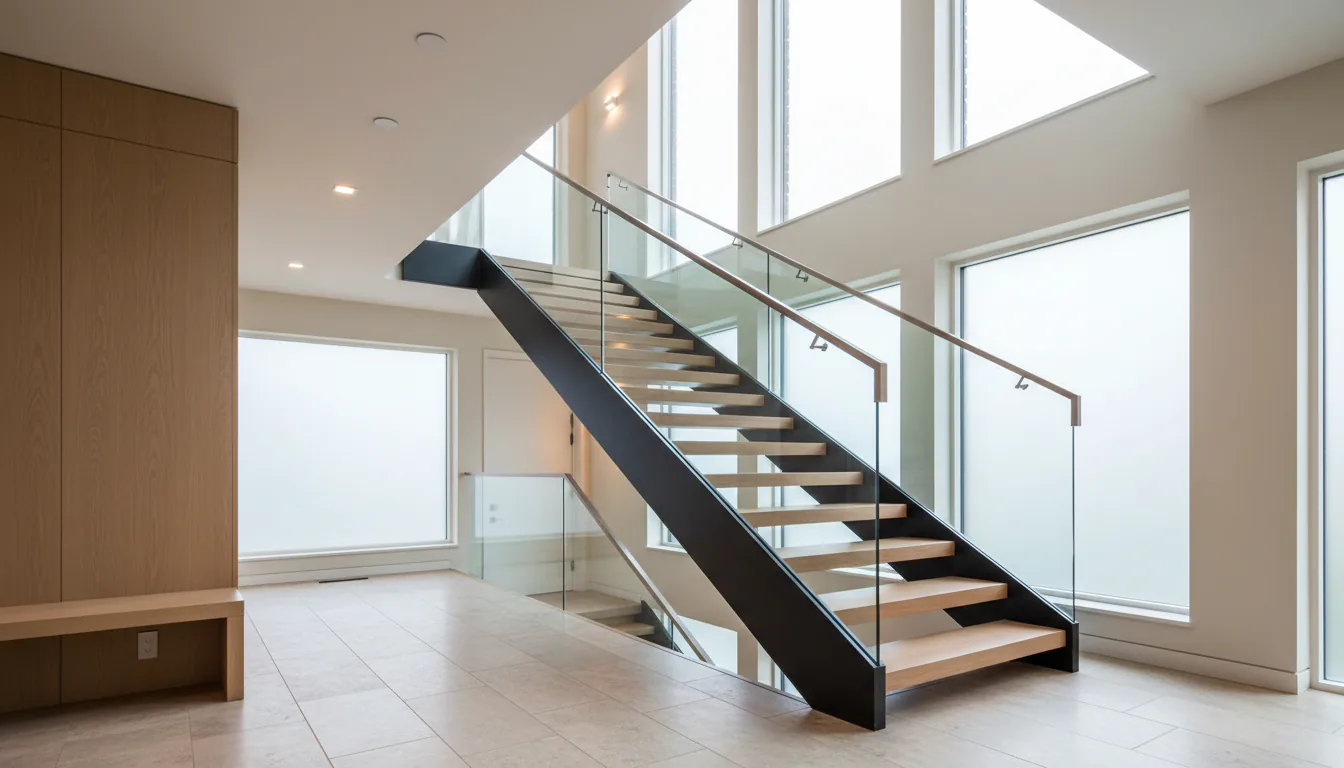
Residential Staircase
Designed for Port Moody sites, pricing, local planning notes, and finish guidance on the product page.
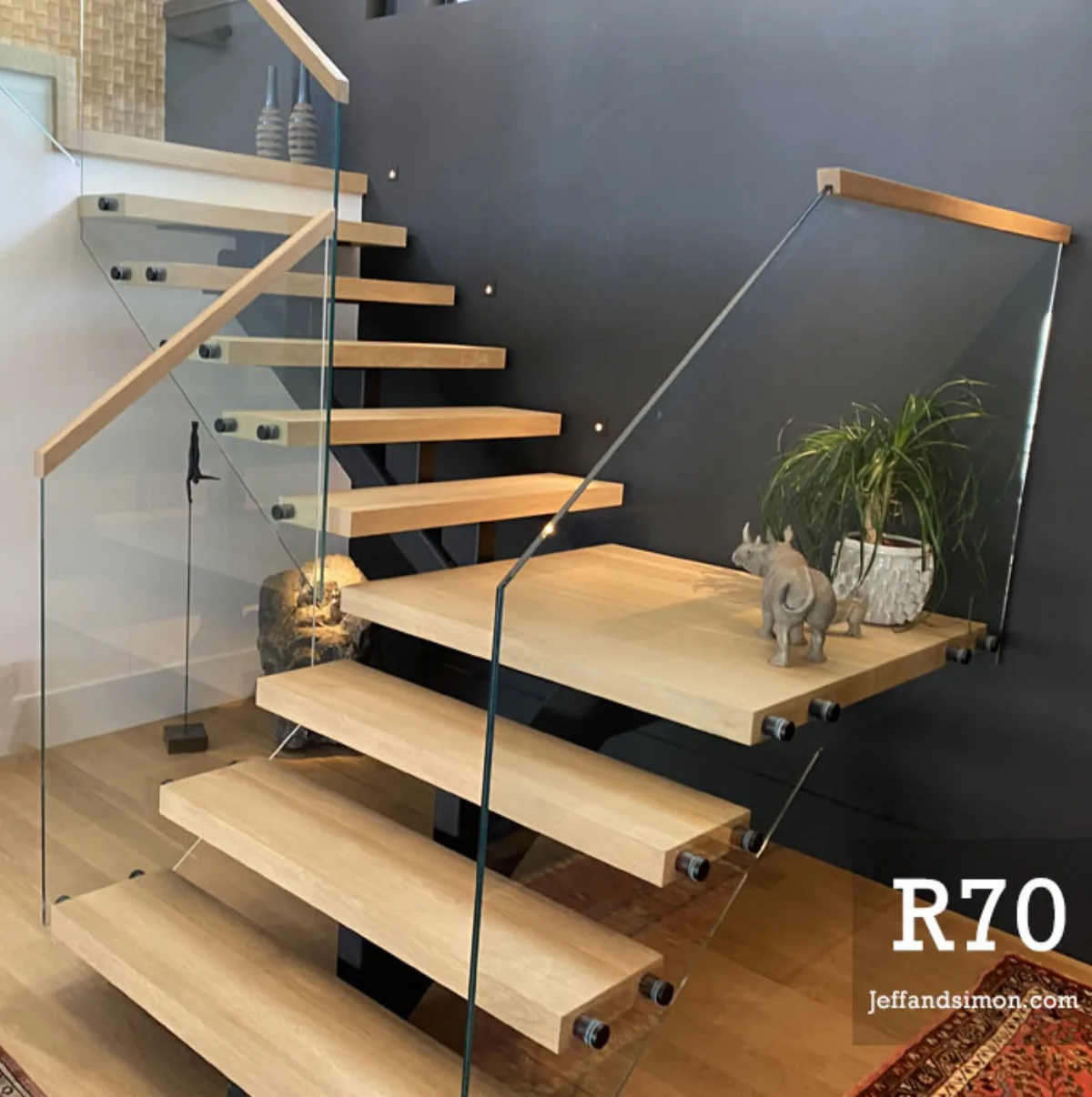
Mono Stringer Staircase
Designed for Port Moody sites, pricing, local planning notes, and finish guidance on the product page.
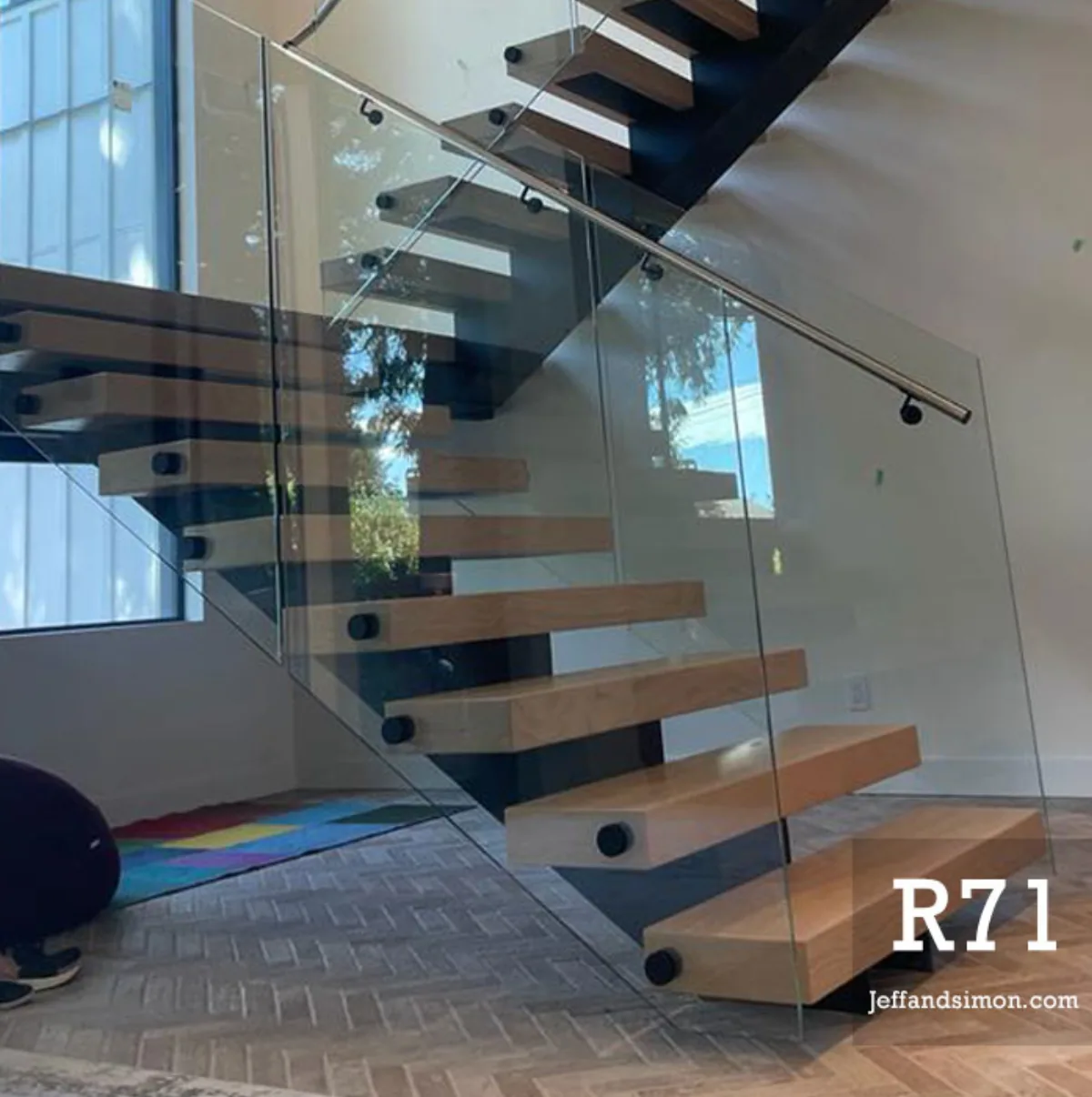
Floating Staircase
Designed for Port Moody sites, pricing, local planning notes, and finish guidance on the product page.
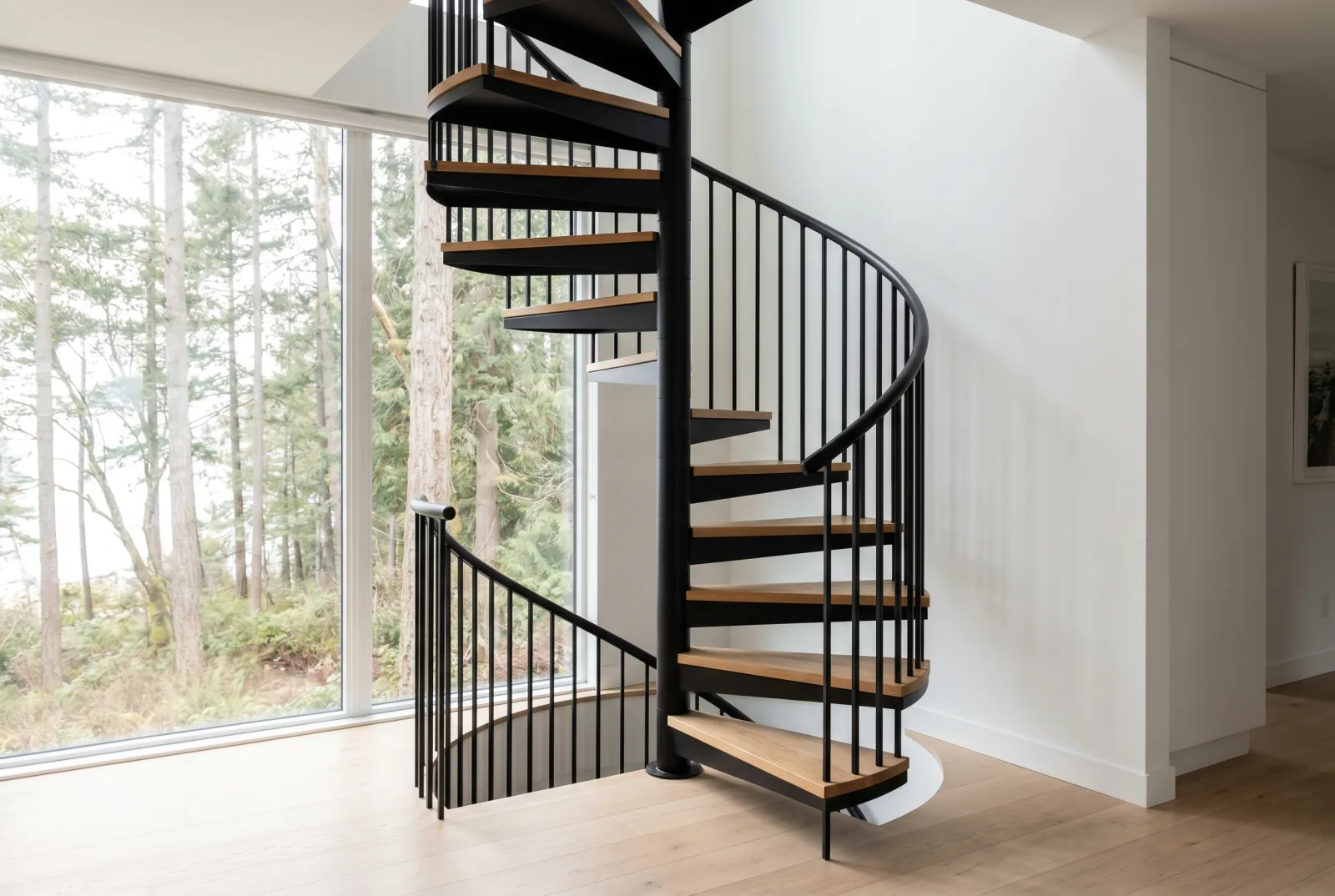
Spiral Staircase
Designed for Port Moody sites, pricing, local planning notes, and finish guidance on the product page.
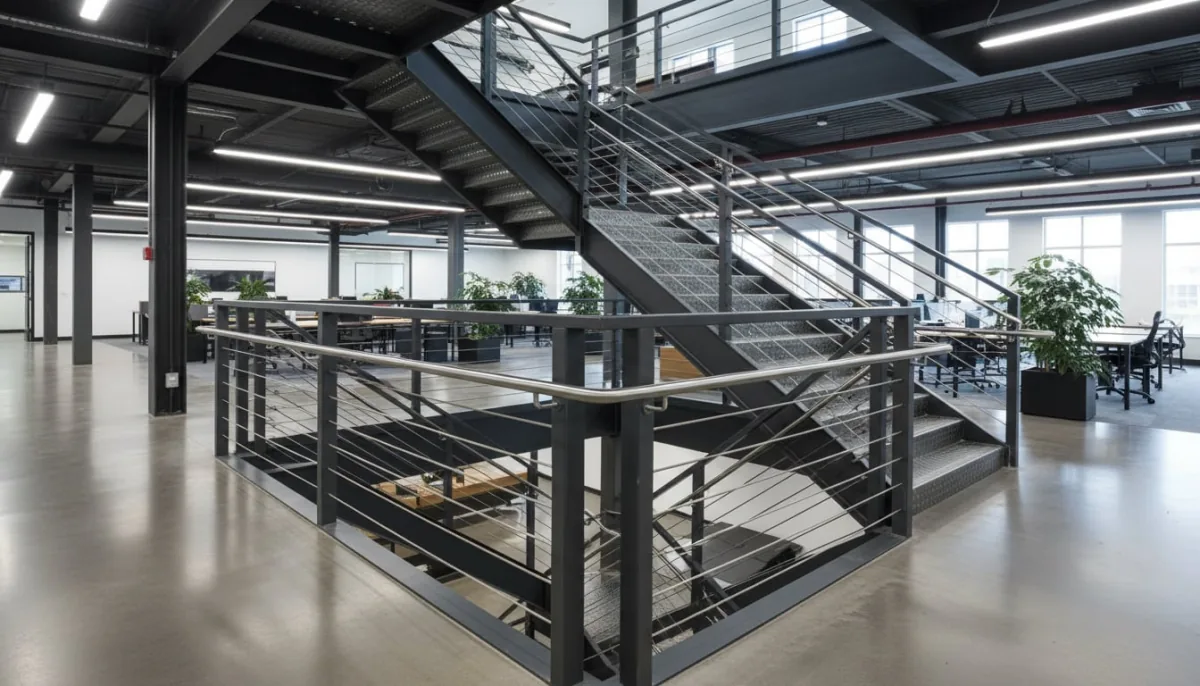
Cable Railings
Designed for Port Moody sites, pricing, local planning notes, and finish guidance on the product page.
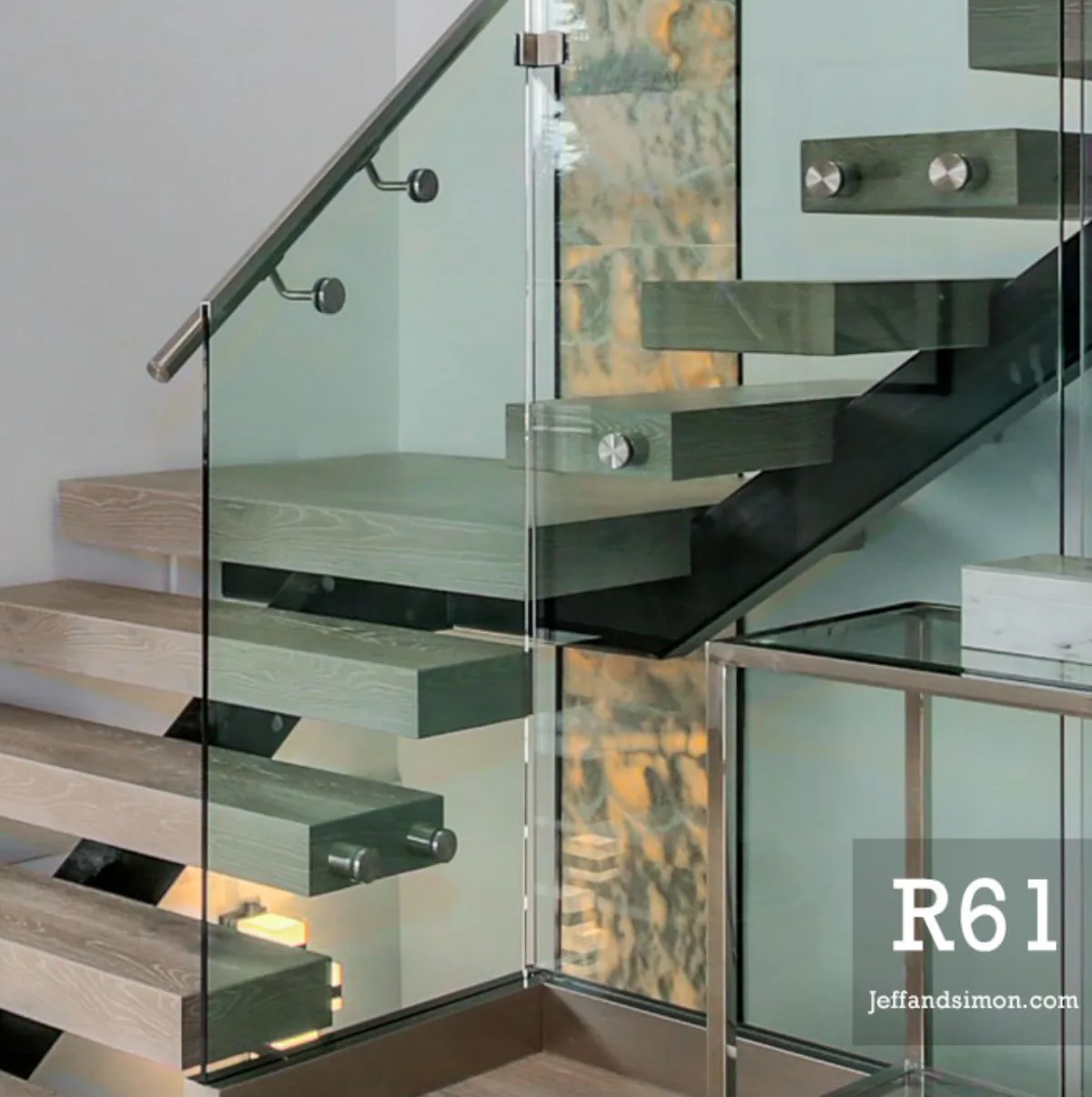
Glass Railings
Designed for Port Moody sites, pricing, local planning notes, and finish guidance on the product page.
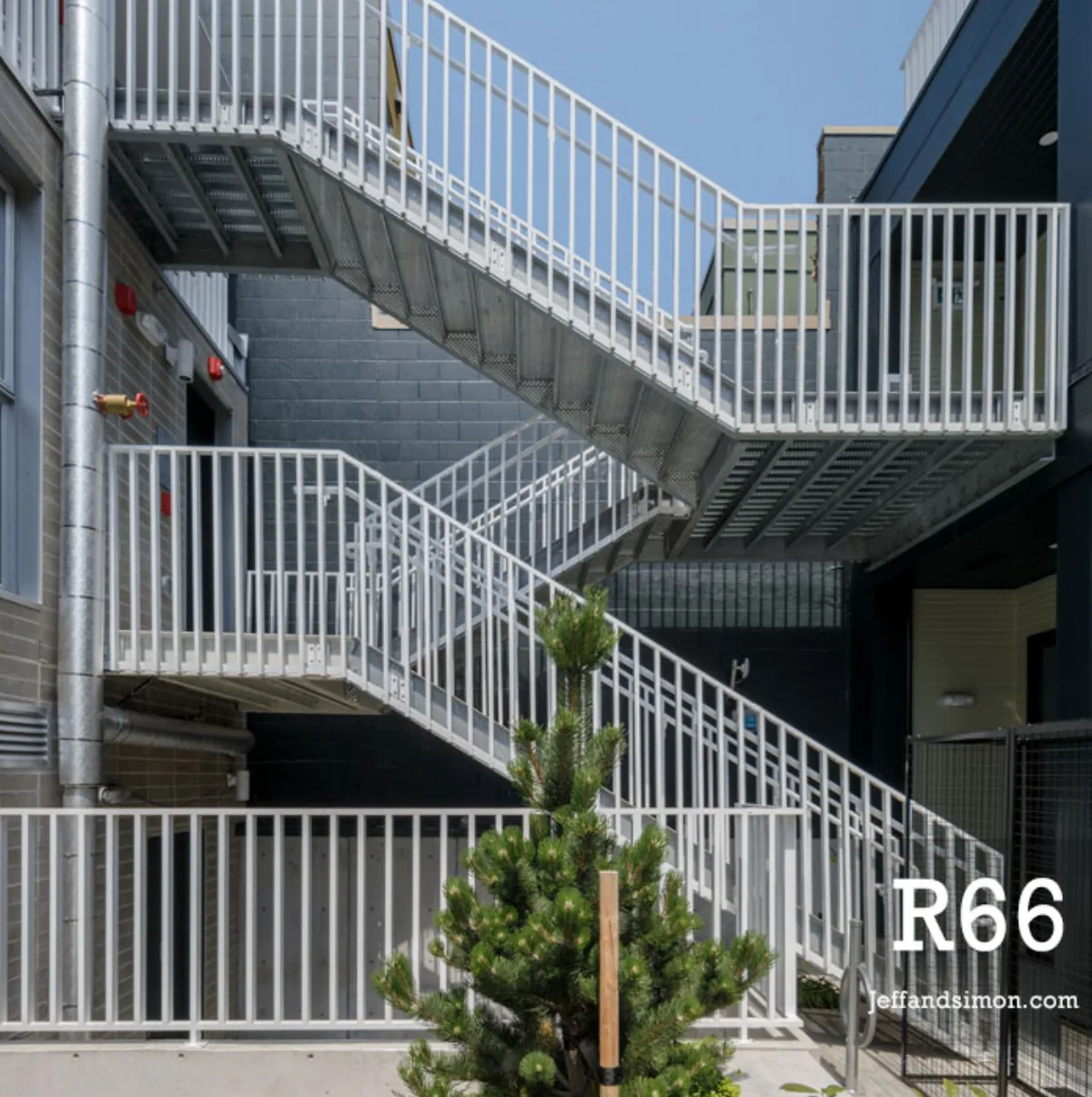
Strata Railings
Designed for Port Moody sites, pricing, local planning notes, and finish guidance on the product page.
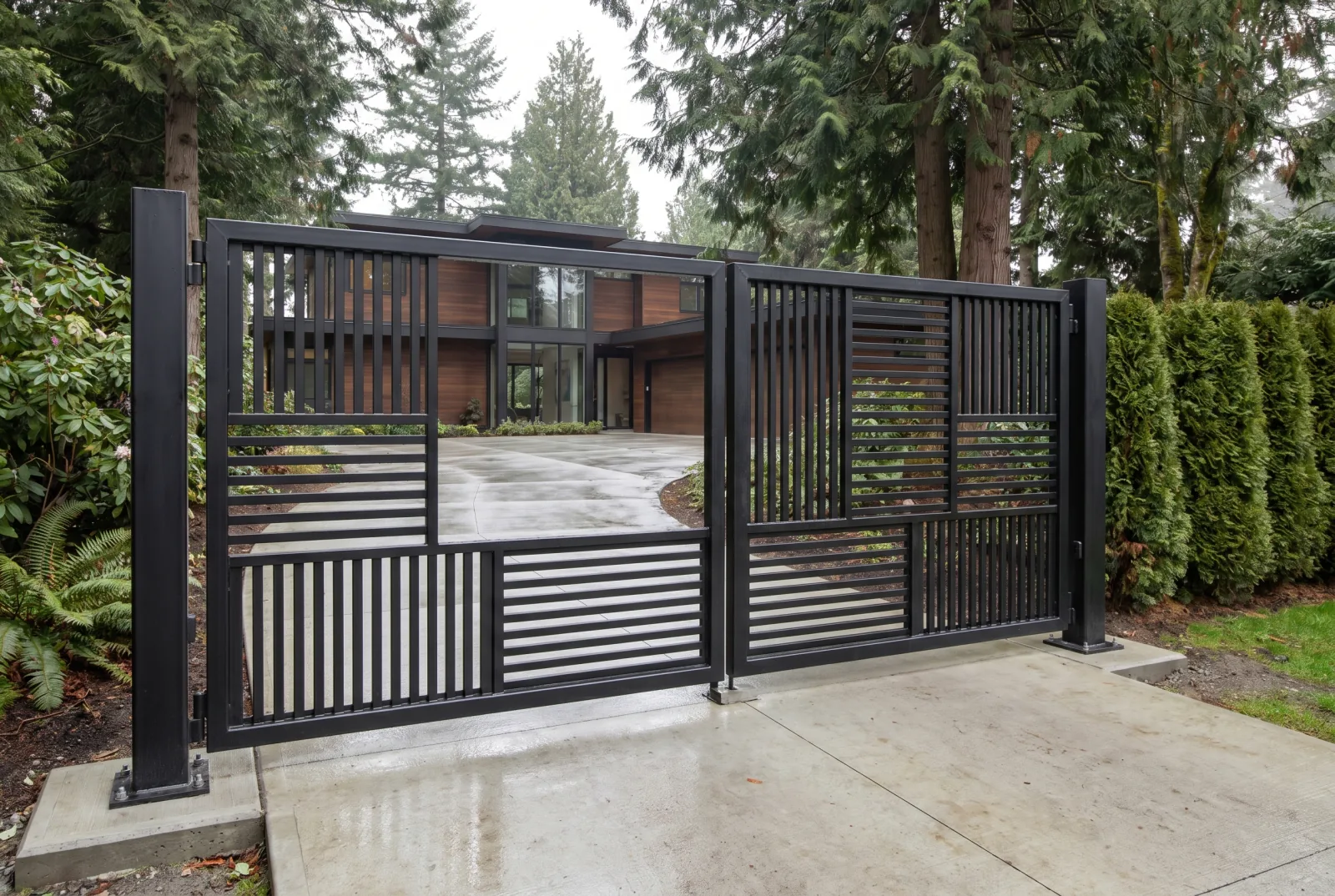
Driveway Gates
Designed for Port Moody sites, pricing, local planning notes, and finish guidance on the product page.
Port Moody project questions.
What makes Heritage Mountain stair projects more complex than typical residential work?
Heritage Mountain lots are often split-level, steep, or both, which means non-standard floor-to-floor heights, limited staging areas, and structural conditions that vary significantly from house to house. We measure and review the structure before shop drawings are issued so the stair fits the actual building, not the drawing assumption.
Does the Burrard Inlet climate affect railing finish specification in Port Moody?
Yes. Moody Centre and inlet-adjacent sites see persistent moisture from the inlet that is more demanding than standard inland Tri-Cities conditions. We recommend stainless hardware or a coastal-grade primer system for any exterior railing near the water, standard powder coat degrades faster in this environment.
How does Vancouver Stairs coordinate with Port Moody's permit process?
Port Moody building permits for structural stair work and guard replacement follow standard Tri-Cities process. We coordinate shop drawing submission and flag when engineer review is required, typical for structural stair connections and exterior elements carrying load. We include permit lead time in the project schedule from the start.
Other areas we serve.
Vancouver Stairs fabricates and installs from our Burnaby shop across the Lower Mainland, North Shore, Tri-Cities, Fraser Valley, and Sea-to-Sky.
Planning guides for your project.
Plan a metal stair or railing project in Port Moody
Send drawings, photos, or a rough scope and we will help define the practical next step.