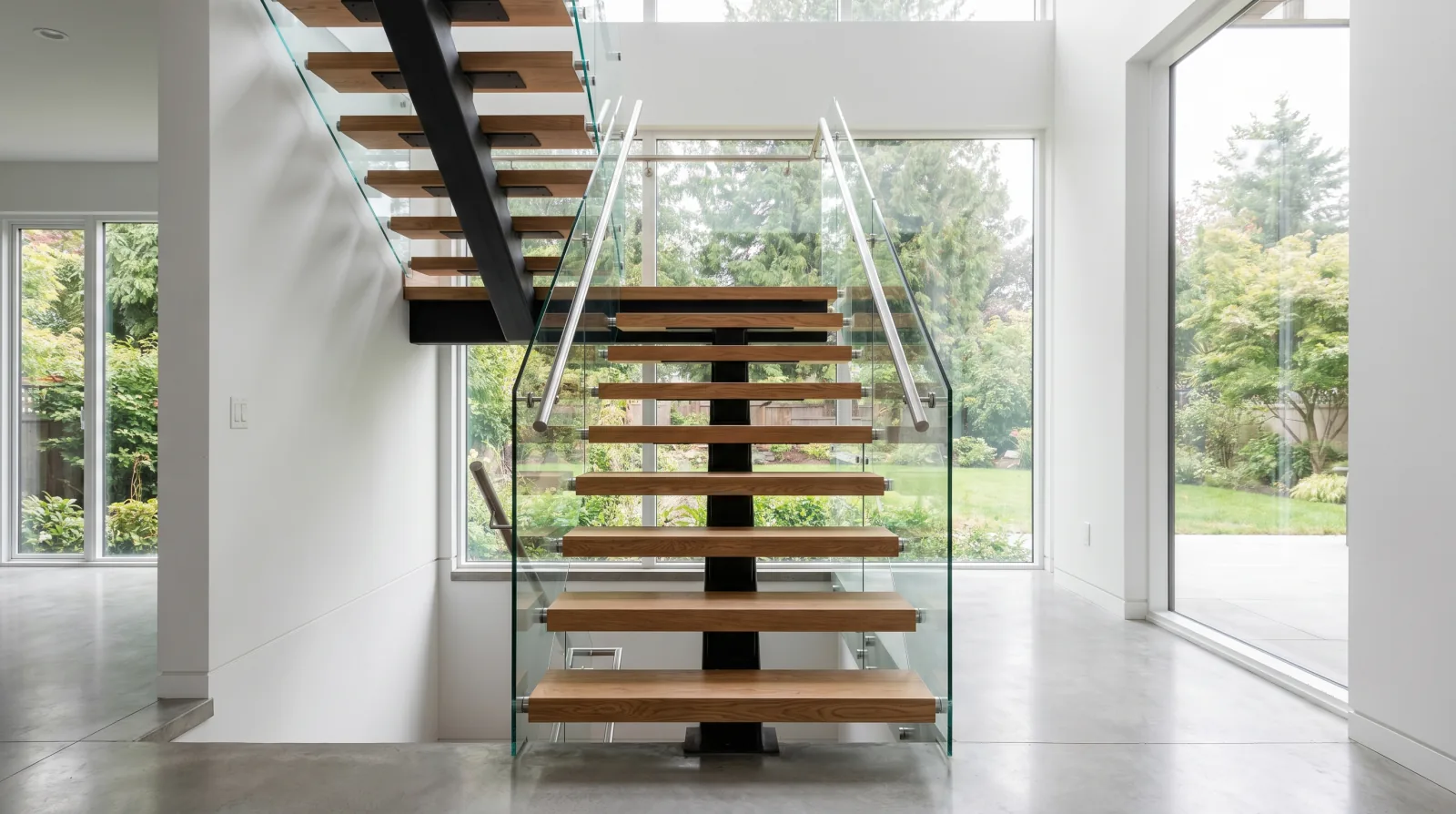
Metal stairs and railings in Richmond.
Richmond projects often need durable exterior finishes and careful site planning for flat lots, wet conditions, and view-oriented railing work.
Richmond is a delta city. Lulu Island and Sea Island sit on Fraser River sediment, ringed by dykes, and the average land elevation runs close to a metre above sea level (City of Richmond, Flood Protection program). That single fact reshapes a lot of stair and metalwork decisions before a drawing is opened. The soil is soft. The water table is high. Most homes have no basement. Anything that touches grade, sits on a deck near the river, or breathes the air around Steveston needs a finish strategy that takes salt and persistent moisture seriously.
The work is also varied. A week of Richmond fabrication can run from a curved interior stair in a Terra Nova single-family home, to a strata railing replacement in a Brighouse tower, to a CWB-stamped exterior stair tower on a Bridgeport tilt-up. The neighbourhoods listed at the top of this page, Steveston, Terra Nova, Brighouse, Broadmoor, Seafair, Riverdale, and Hamilton, each carry their own structural and exposure pattern, and the rest of this page walks through the ones that actually change a scope.
Building stock shapes the stair scope.
Most of Richmond's single-family housing was built on slab or shallow crawlspace because of the high groundwater table. The City notes that very few homes have basements and, until the late 1980s, very few buildings rose above three storeys (Richmond Archives, Richmond's Geography). That changes the stair scope from the outset. There is no buried main stair flight from a basement to a main floor in most homes. The primary stair is between the main level and the upper floor, often in a two-storey volume near the front of the house, which is where curved stairs, mono stringer stairs, and feature railings tend to land.
Terra Nova, Seafair, Broadmoor, and the Steveston Highway corridor carry the largest concentration of newer single-family homes, many post-1990, a meaningful share post-2010. Openings in these homes are framed with engineered I-joists and LVL headers rather than dimensional lumber, which usually gives more capacity for steel stairs but introduces its own coordination question. I-joist webs cannot take random penetrations or hangers, and LVL headers carry specific bearing requirements. When a mono stringer or cantilevered tread stair lands on these members, the framing review has to confirm both vertical capacity and the lateral kick from the stair before steel is ordered.
City Centre, Brighouse, and the area around CF Richmond Centre tell a different story. Richmond's high-rise residential stock has grown sharply over the last fifteen years, with phased master plans like the CF Richmond Centre redevelopment continuing to add residential towers (City of Richmond DPP filings). For stair and railing work, the relevant scopes inside these buildings are common-area stair refinishing, balcony glass guard replacement, and strata-driven upgrades to lobby and amenity stairs. Hamilton, East Richmond, and Bridgeport carry the light industrial and tilt-up commercial stock that drives exterior stair tower, mezzanine, canopy, and loading-dock rail work, almost always with CWB-stamped welding and a Schedule B engineer of record.
Climate exposure decides the finish strategy.
Richmond's climate is wet, mild, and persistently humid. Vancouver International Airport sits on Sea Island and is one of the long-running climate reference stations for the region. The marine delta air, river fog, and long wet season make moisture the steady design driver, more than freeze-thaw. Snow load for Richmond sits in the same low range as the rest of the Fraser delta, closer to the central Metro Vancouver baseline than the North Shore, but actual ground snow and importance factors should always be confirmed against the BC Building Code climatic tables for the project address.
Steveston is the most aggressive exposure on the island. It is a working fishing port, home to one of Canada's largest commercial fishing fleets (Tourism Richmond), and the air carries salt off the South Arm of the Fraser and the Strait of Georgia. For any exterior steel in Steveston, deck guards, exterior stair stringers, gate frames, canopy posts, the default finish strategy in our shop is hot-dip galvanizing followed by a duplex coating system, with 316 stainless used for any visible fastener, cable, or hardware that sits in the spray zone. Plain 304 stainless can pit in this kind of marine air over time; the upgrade to 316 is small money against a railing that has to live there for twenty years.
Away from the immediate waterfront, the exposure softens but does not disappear. Terra Nova, Seafair, and Steveston Highway homes still sit in marine delta air, and exterior steel on river-facing decks should be treated as moderately corrosive rather than benign. Anything attaching to grade, exterior stair posts, gate posts, structural columns, needs base plate detailing that keeps water off the steel: shimmed off the slab, drainage to daylight, no buried bare steel. The American Galvanizers Association's guidance on partial embedment is the cleanest reference for the detail to avoid, and the duplex system over galvanizing is the configuration that holds up.
Interior finish has its own Richmond wrinkle. The high groundwater table and slab-on-grade construction mean that ground-floor interior steel, a mono stringer that lands on a concrete slab, a feature column, the base plate of a switchback flight, sits closer to a moisture path than the same detail on a basemented home in Vancouver or Burnaby. Vapour barriers under the slab and isolators between the steel and the concrete are routine on new construction, but on retrofits the existing slab condition has to be confirmed in the field before the base plate is welded up. A bagged-on-site grout pad with a stainless shim stack is the conservative detail; bare carbon steel sitting on a damp slab is the detail to avoid.
The scopes we see most in Richmond.
Residential interior stairs in Richmond split into two recognisable groups. The newer Terra Nova, Steveston Highway, and Riverdale homes often run toward formal, balustrade-heavy stairs, curved or switchback flights with a wood handrail over steel or wrought-iron pickets, sometimes with brass or bronze accents. That is a design preference more than a code one. The same physical opening can also carry a modern mono stringer or a cantilevered floating stair when the owner wants a contemporary look, but the structural review of the opening has to come first because LVL headers and I-joist tails behave differently from sawn lumber under the concentrated reaction from a steel stair.
Strata railing work is one of the steadier scopes in City Centre and Brighouse. Older mid-rise stock built in the 1990s and 2000s often carries aluminum picket guards that have aged out, corroded bottom rails, cracked welds at the post bases, glass infill panels that have lost their seals. The replacement scope is rarely just like-for-like. The current BC Building Code guard height rule, climbability of horizontal members, and the specific glass-railing wind and live-load combinations from the referenced standards have all moved since these guards were originally installed. A current Schedule B from the structural engineer of record for the guard system is the usual path through review (this paragraph is not a substitute for code review by the authority having jurisdiction).
Light-industrial and commercial work in Hamilton, East Richmond, Bridgeport, and around the Sea Island and YVR corridor is where exterior steel scopes concentrate. Typical items are CWB-stamped exterior stair towers with grated treads, mezzanine stairs and rail in tilt-up warehouses, dock-edge protection, canopy structures, and ladder-and-platform access for rooftop equipment. The fabrication detail that matters most here is the connection between the stair tower base plate and the slab or grade beam, the soft delta soil and the high water table mean the geotechnical review and the embedment detail drive the whole stair design, not the other way around.
Steveston brings a third category of work. Marine-adjacent residential, boardwalk-edge commercial, and the older heritage commercial fabric on Moncton Street and Bayview Street need finishes that read as "marine spec, not paint." Cable railing using 316 stainless infill, glass railing with marine-grade hardware, hot-dip galvanized exterior stairs with a duplex topcoat, and stainless gate frames are the scopes that recur. Where the project is inside or behind the heritage-area review boundary, the visual finish has to satisfy the City's design guidance, which often pushes finishes toward darker or matte tones rather than bright stainless.
Permit and AHJ workflow.
Most Richmond stair and railing work that touches structure runs through the City of Richmond Building Approvals department. Engineered structural work, exterior stair towers, structural mezzanines, guard systems on Part 3 buildings, and any stair where the existing opening is being re-framed, typically uses the BC Codes Letters of Assurance: Schedule B from the engineer of record committing to design and field review, Schedule C-B when field review is complete, and Schedule F where a structural engineer has stamped the package. Schedule B forms are published on bccodes.ca and referenced through the City's own Letters of Assurance guidance page.
Two Richmond-specific overlays show up regularly. The first is the floodplain and dyke setback review for any lot near a dyke or watercourse, the City has an active program raising existing dykes from roughly 3.5 m to 4.7 m geodetic over time (City of Richmond, Flood Protection), and lot-by-lot setbacks and finished-floor elevations follow from that program. The second is geotechnical review on the soft delta soils. For exterior stair towers and any structural stair landing on grade, a geotechnical letter on allowable bearing and seismic ground class is usually part of the package before the structural Schedule B can be sealed.
Seismic detailing also takes up more space in the design conversation than it does in most other Lower Mainland cities. Richmond and Delta sit on Fraser delta sediment that is well documented as liquefaction-susceptible (Byrne and Anderson, Earthquake Design in Richmond; SEABC seismic guidance). For most interior residential stairs the impact is limited to the connection from the stair to the structure, but for exterior stair towers, mezzanine bracing in tilt-up commercial, and any guard system whose failure mode is life-safety on a public face, the engineer of record will usually want the geotechnical report's ground class and the corresponding seismic loads referenced directly on the shop drawings. None of the above is a substitute for code review by the authority having jurisdiction.
Coordination, access, and delivery.
Richmond is roughly a 20 to 40 minute drive from the shop in Burnaby, depending on time of day and route. Highway 91, the Knight Street Bridge, Highway 99 to Bridgeport Road, and Westminster Highway are the four arteries that carry our deliveries. Steveston runs longer on the clock because the village street grid is tight and there are tide-aware loading windows on the wharf-side commercial work; site visits there are usually paired with mid-day delivery rather than rush hour.
On-site staging is the other variable. Hamilton and Bridgeport sites generally have yard space for off-loading exterior stair towers and mezzanine sections in one drop. City Centre and Brighouse strata sites almost never do, railing replacement on a mid-rise needs scheduled elevator bookings, protected floor paths, and coordination with strata management for amenity-floor or lobby access. Steveston residential sites near the dykes often have narrow lane access, and crane picks for curved stair flights or full stringer assemblies should be scheduled with the City's right-of-way office where they cross a sidewalk or lane. Weather windows also matter more here than in the rest of the Lower Mainland: morning fog off the river can push a precise install or a sealant cure later in the day, and a tide-aware schedule is worth setting up front for any work tight to the waterfront.
How to start a Richmond project.
A Richmond project usually starts well when the first conversation covers three things: the address (so the floodplain, dyke setback, and seismic ground class can be pulled), the exposure (Steveston salt zone, mid-island delta air, or interior only), and the structure under the opening or attachment (slab on grade, engineered floor system, or concrete deck in a tower). With those three answers in hand, the finish system, the engineering path, and the fabrication sequence almost write themselves. Send photos, drawings, dimensions, the site address, preferred finish, and the target timeline, even rough information separates a stair scope that is a clean fabrication job from one that needs design or engineering work first.
Neighbourhoods we work in.
Steveston, Terra Nova, Brighouse, Broadmoor, Seafair, Riverdale, Hamilton.
City signals
Drive time: 25-40 minutes
Snow load signal: 1.4 kPa
Adjacent cities: Vancouver, Burnaby, Delta, New Westminster
Shop: 2544 Douglas Road #106, Burnaby BC
Popular Richmond product routes.
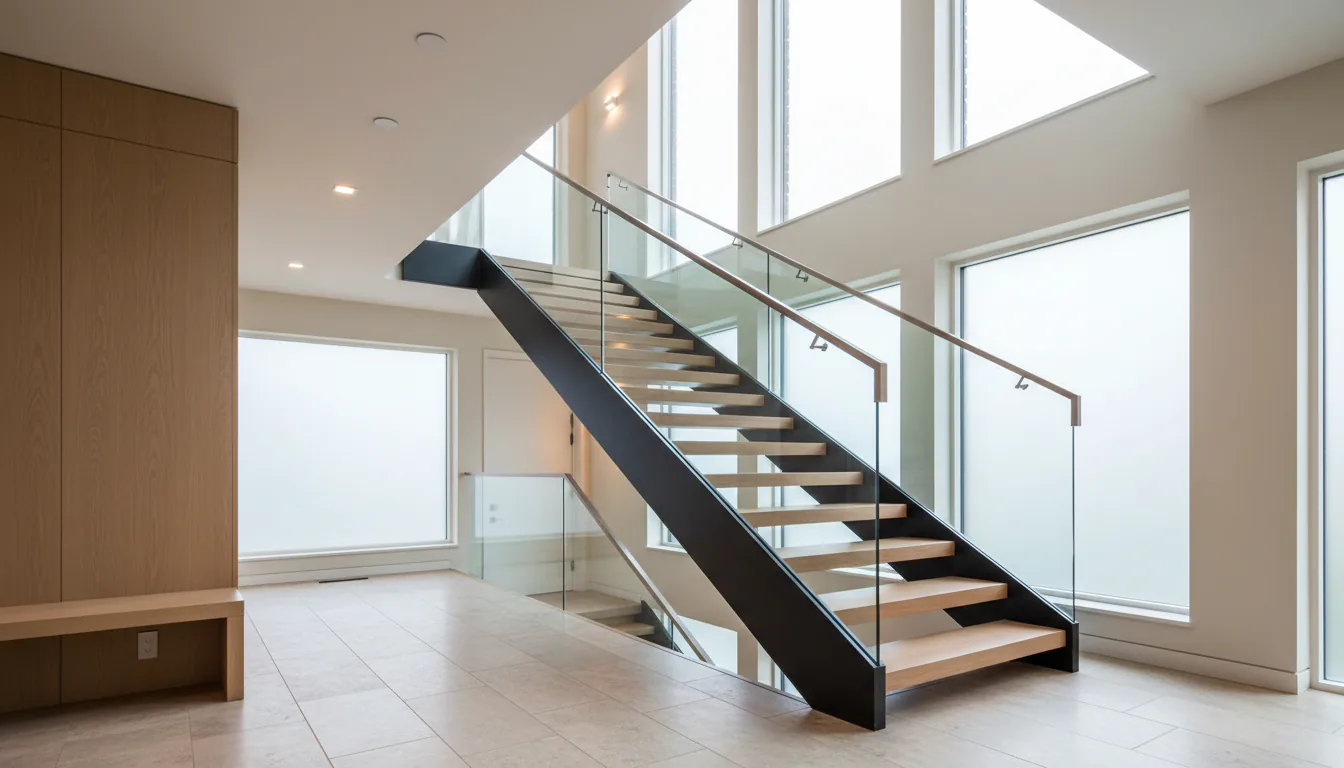
Residential Staircase
Designed for Richmond sites, pricing, local planning notes, and finish guidance on the product page.
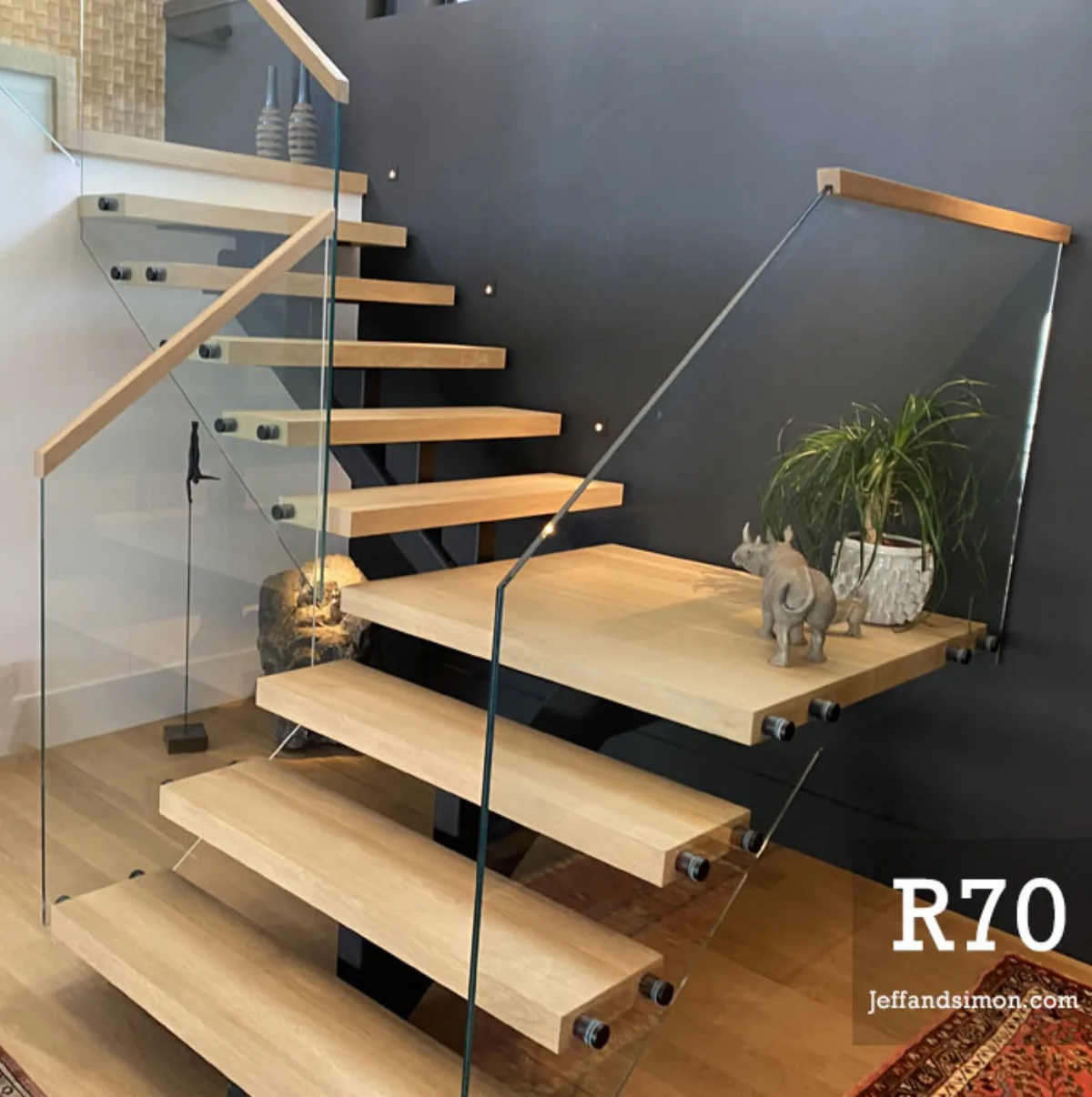
Mono Stringer Staircase
Designed for Richmond sites, pricing, local planning notes, and finish guidance on the product page.
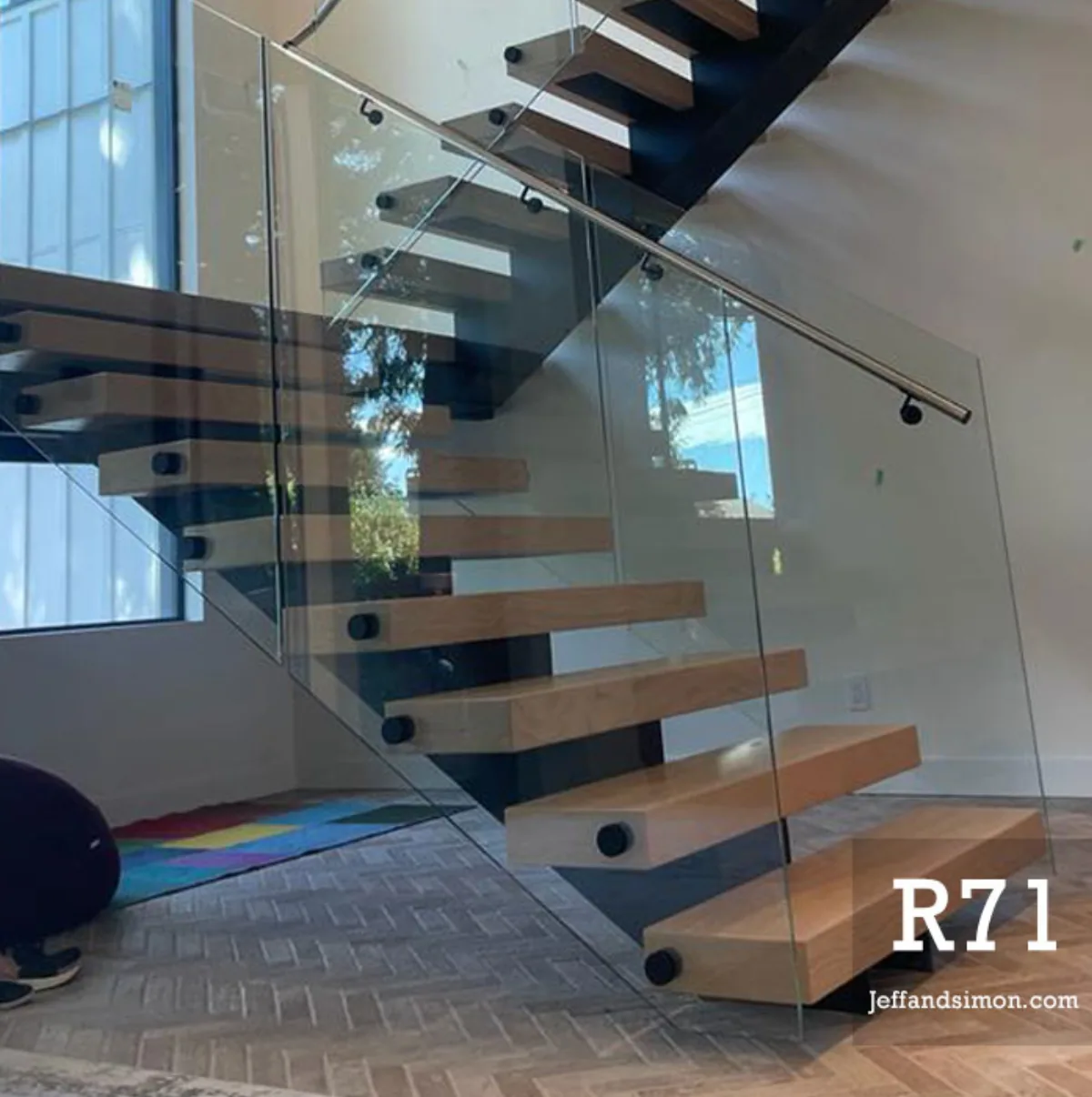
Floating Staircase
Designed for Richmond sites, pricing, local planning notes, and finish guidance on the product page.
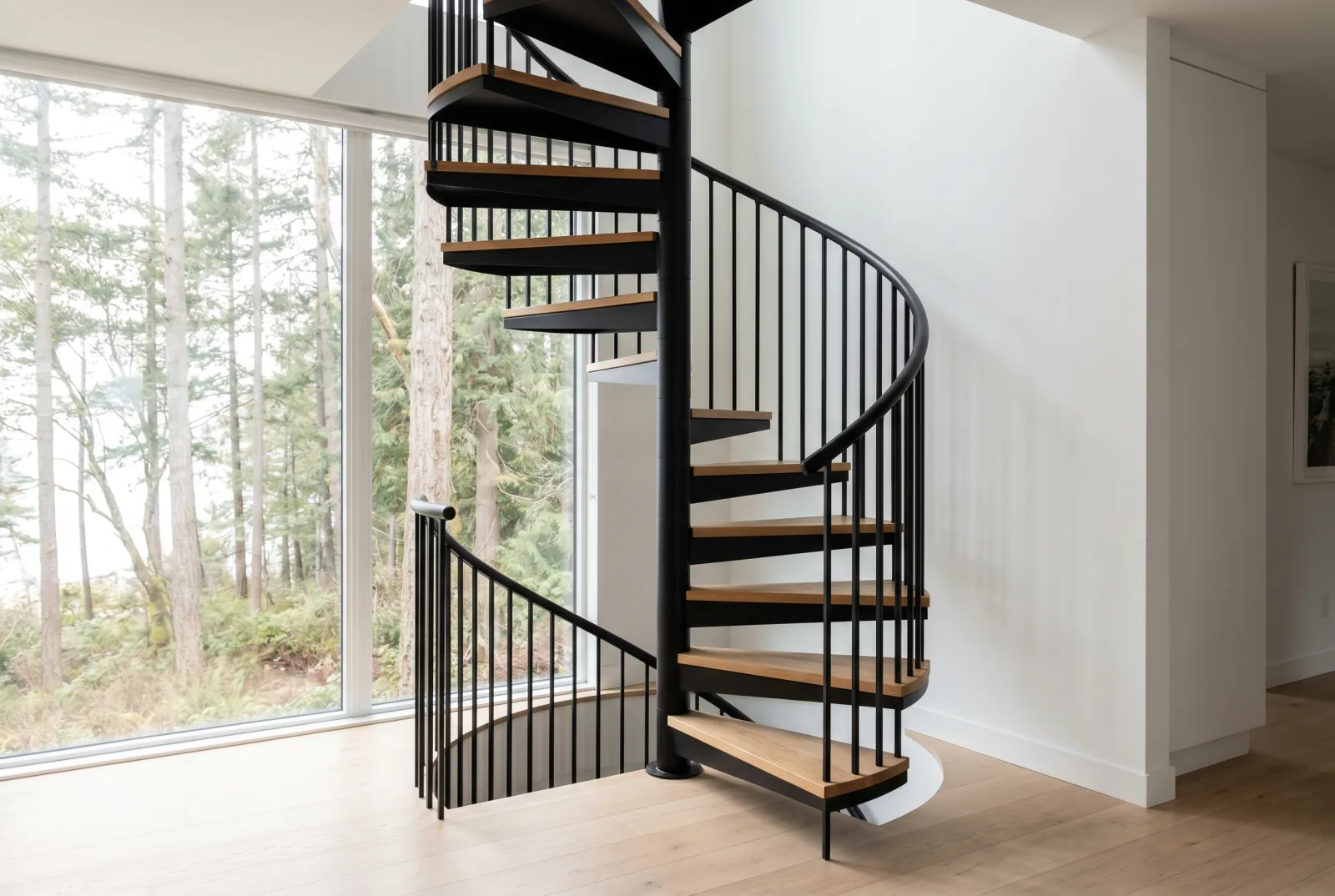
Spiral Staircase
Designed for Richmond sites, pricing, local planning notes, and finish guidance on the product page.
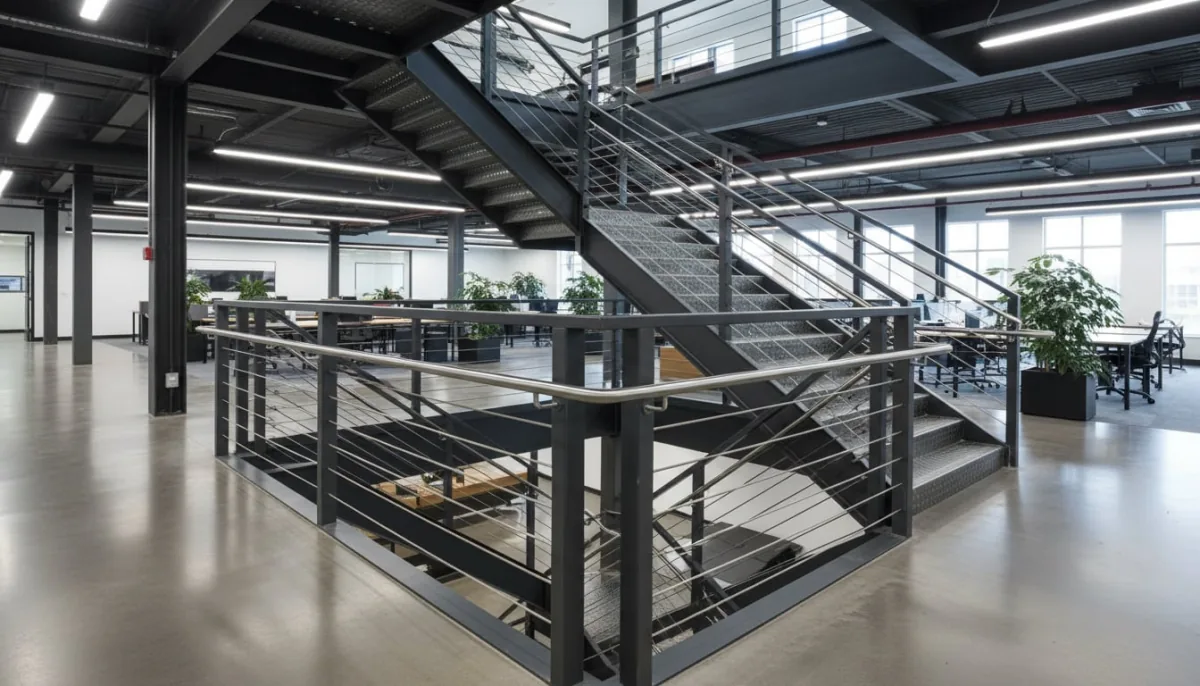
Cable Railings
Designed for Richmond sites, pricing, local planning notes, and finish guidance on the product page.
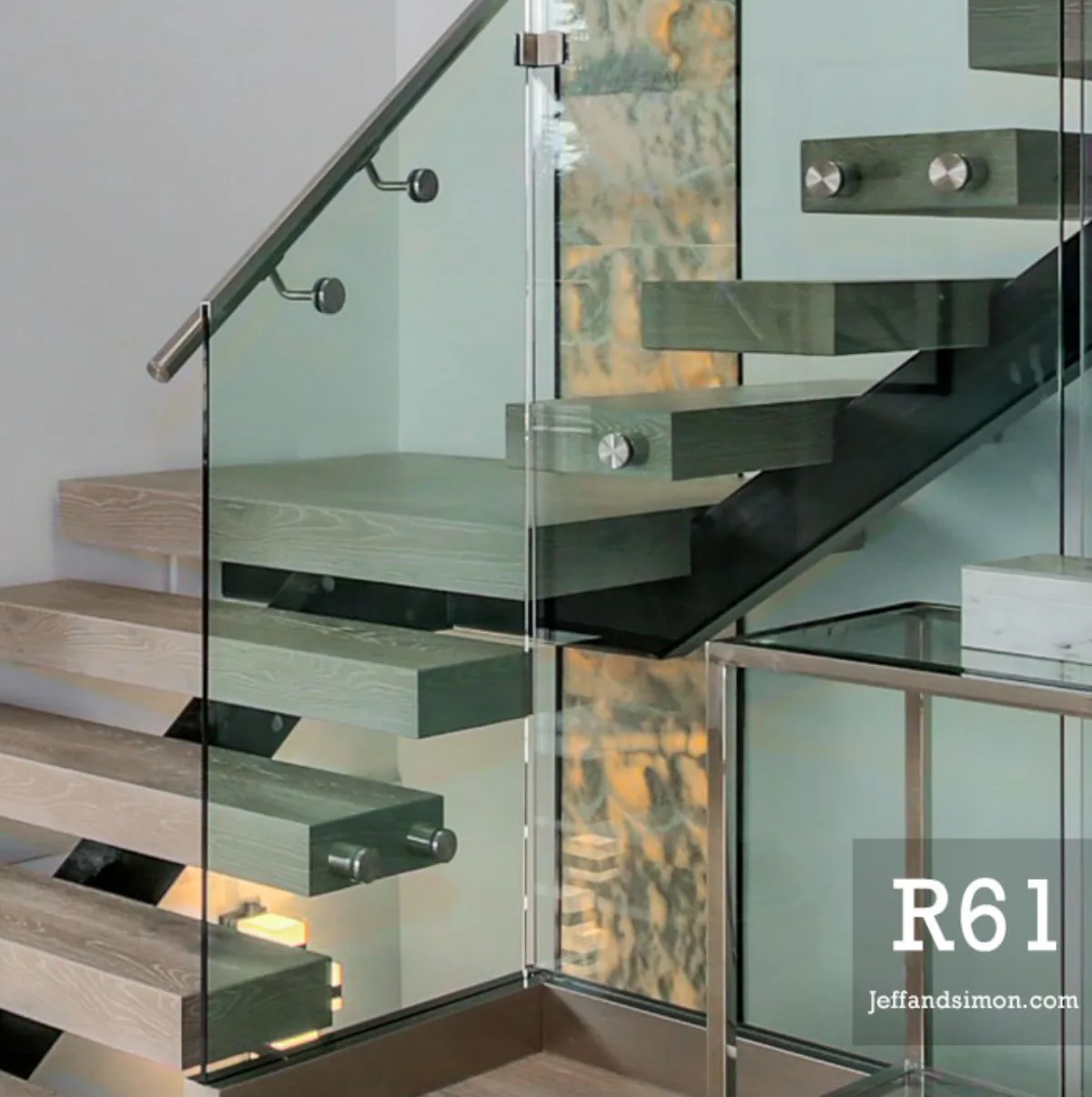
Glass Railings
Designed for Richmond sites, pricing, local planning notes, and finish guidance on the product page.
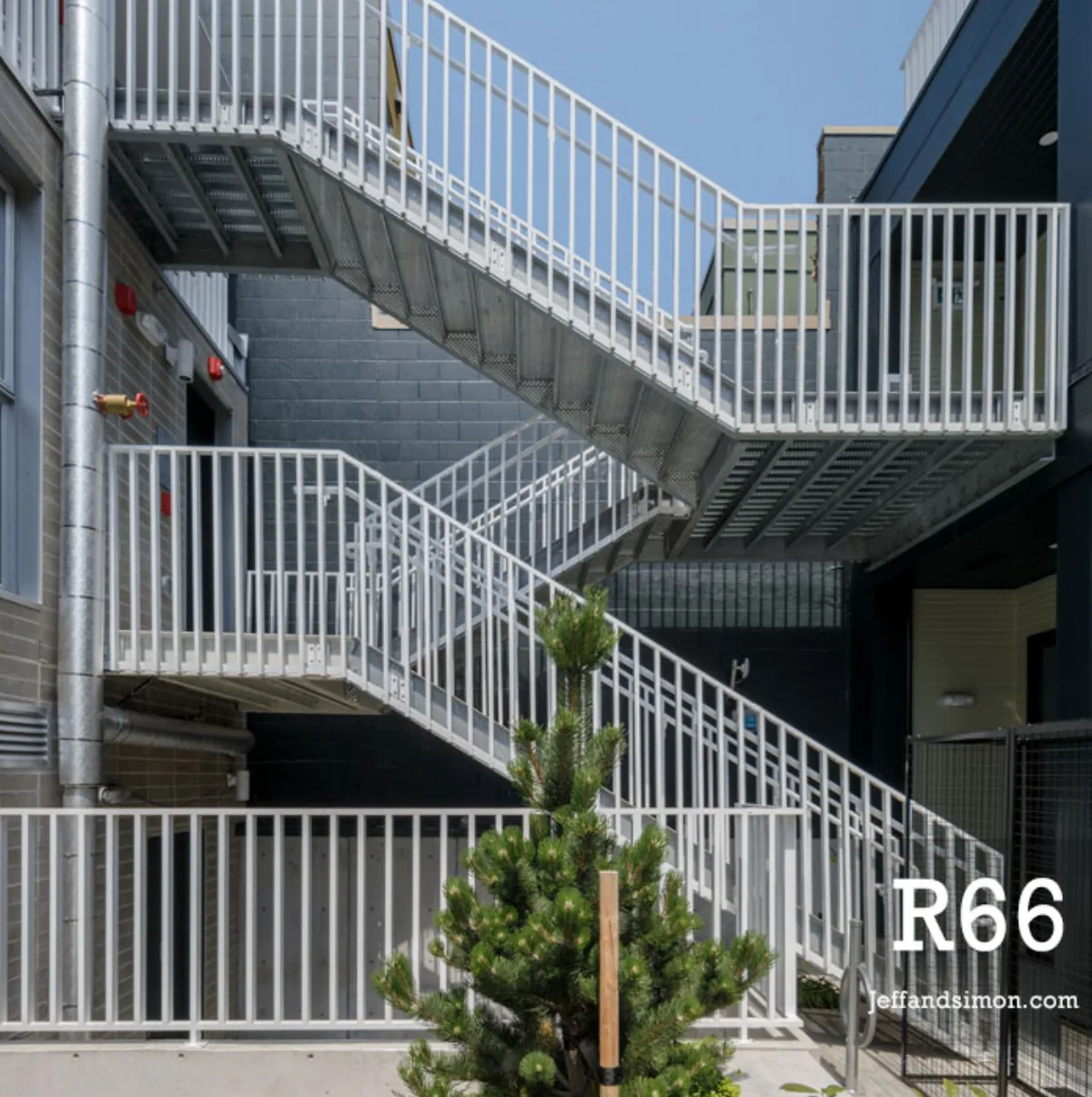
Strata Railings
Designed for Richmond sites, pricing, local planning notes, and finish guidance on the product page.
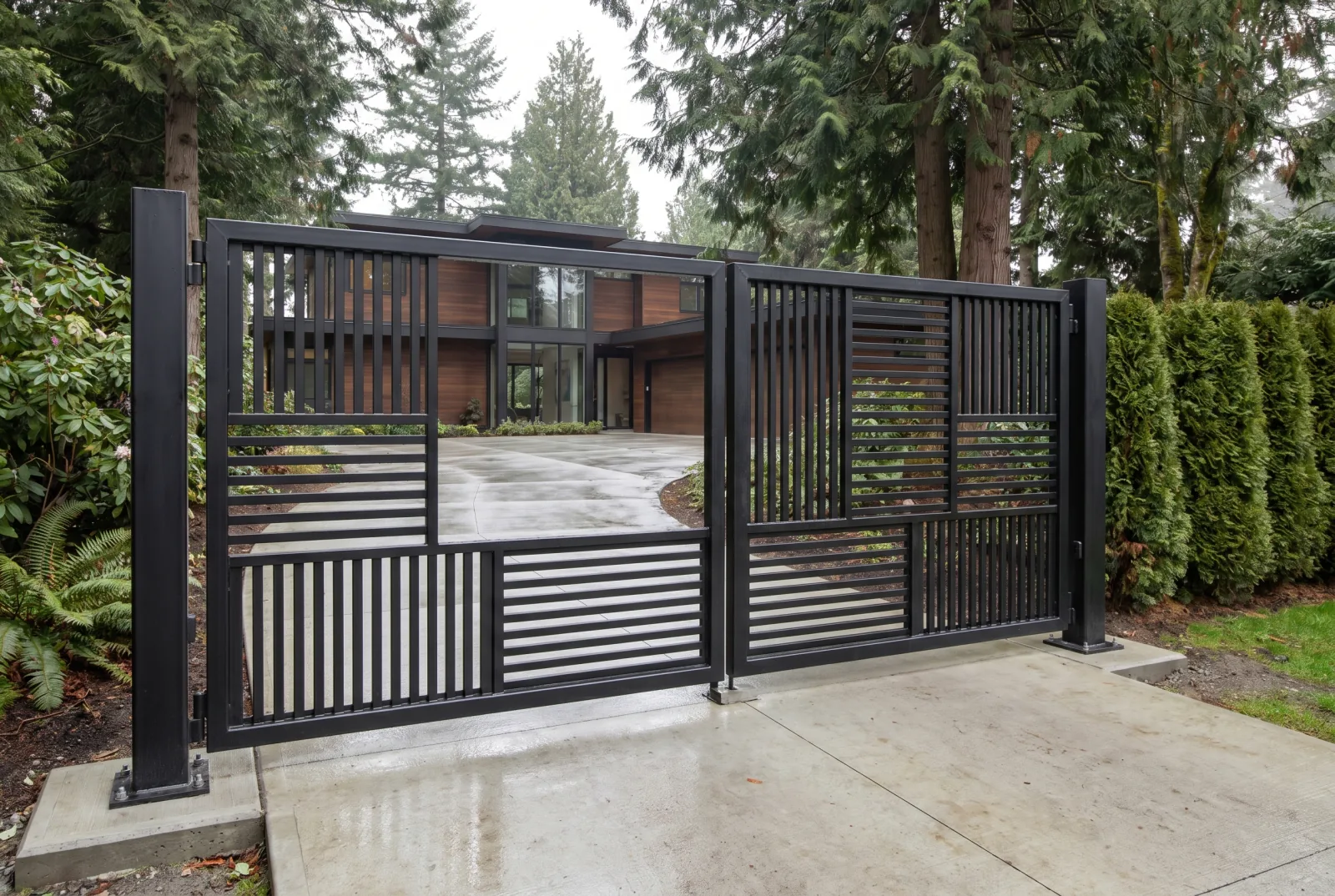
Driveway Gates
Designed for Richmond sites, pricing, local planning notes, and finish guidance on the product page.
Richmond project questions.
How does Richmond's flat lot geometry affect stair and railing design?
Flat lots simplify some things, there's rarely a grade-access problem, but the high groundwater table and marine delta air near the river create finish and drainage considerations that don't apply inland. Any steel element connecting to exterior grade in Richmond needs drainage detailing and a finish spec that accounts for persistent moisture.
What finish is recommended for Richmond projects near Steveston or the river?
Steveston and river-adjacent sites see marine delta air that degrades standard powder coat faster than inland locations. We recommend a marine-primer base coat or stainless hardware for anything exposed near the waterfront. Interior-only stairs with no exterior connections can use standard powder coat.
Does Vancouver Stairs work with Richmond's building permit process?
Yes. Exterior guards, canopies, and structural stair work require City of Richmond permit review. We coordinate shop drawings and permit submission and flag when engineer stamps are required, usually for structural stair connections and any exterior element carrying load.
Other areas we serve.
Vancouver Stairs fabricates and installs from our Burnaby shop across the Lower Mainland, North Shore, Tri-Cities, Fraser Valley, and Sea-to-Sky.
Planning guides for your project.
Plan a metal stair or railing project in Richmond
Send drawings, photos, or a rough scope and we will help define the practical next step.