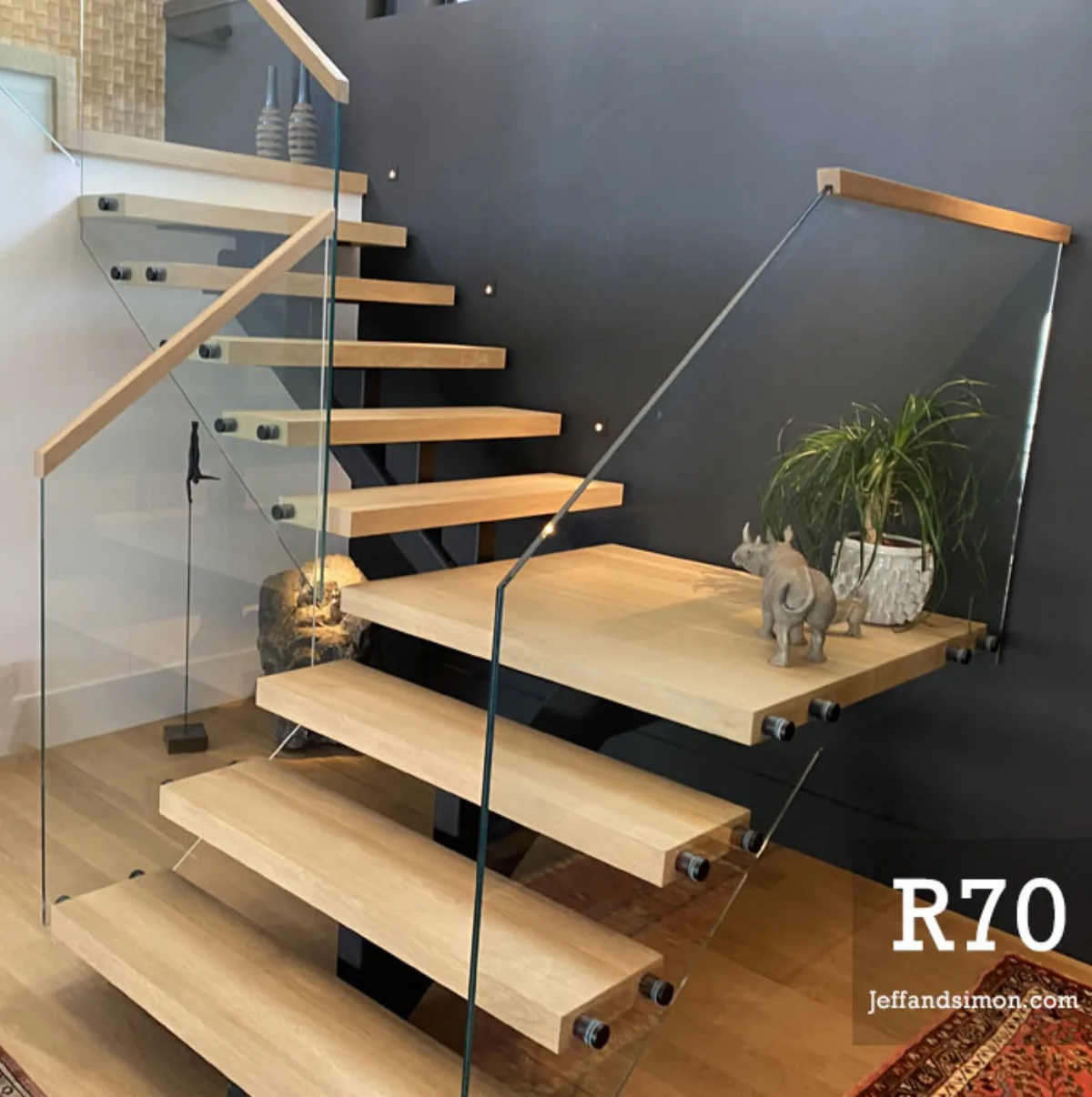
Metal stairs and railings in Squamish.
Squamish projects need mountain-weather thinking: durable coatings, site access planning, and snow or wind assumptions that suit the specific lot.
The District of Squamish sits on Howe Sound at the base of the Stawamus Chief, roughly halfway between Vancouver and Whistler on the Sea-to-Sky corridor. Stair and metalwork projects here read differently than projects on the south side of the inlet. The climate is wetter, the snow load is higher, the coastal exposure is real along the waterfront, and the building stock is split between older Brackendale and Valleycliffe homes and a wave of new construction on the hillside neighbourhoods. Each of those facts changes the decision tree before steel is ordered.
Squamish is also one of the fastest-growing communities in the province. The municipal population grew by more than 22 percent between 2016 and 2021 to roughly 23,800 residents ([Squamish Chief](https://www.squamishchief.com/local-news/squamishs-population-increases-by-over-22-5045691)), and Garibaldi Highlands alone carries an unbuilt unit capacity of around 5,300 homes per District planning ([Squamish Chief](https://www.squamishchief.com/local-news/over-11000-housing-units-could-be-built-in-squamish-10643327)). That growth is the reason custom feature stairs, exterior stair towers, and view-deck railings are a steady part of the work in town. This page sets out the inputs that actually move cost and schedule on a Squamish stair so the first conversation starts with the right questions.
Building stock shapes the stair scope.
Downtown Squamish and Valleycliffe carry the oldest stock in town, wood-frame houses, small walk-up apartments, and commercial buildings from the 1960s through the 1980s. A lot of this stock is now being heavily renovated rather than rebuilt, which puts main-stair replacement, guard upgrades, and exterior stair work at the centre of a typical scope. Brackendale, in the river valley north of downtown, follows a similar pattern: ranch and split-level homes from the 1970s and 1980s, often on larger lots, with stair openings that were originally framed for a closed wood stair and now need to support a steel mono stringer or an open-riser arrangement.
Garibaldi Estates and Garibaldi Highlands sit higher on the slope. The Estates includes a mix of older homes and infill, and the District is currently running a neighbourhood plan that anticipates significant redevelopment over the next two decades ([District of Squamish, Development Permits](https://squamish.ca/building-and-land-development/home-land-and-property-development/land-development-applications/development-permits/)). The Highlands carry newer single-family homes on hillside lots, many of them built in the last fifteen years with vaulted living spaces and a feature stair already designed into the floor plan. On those projects the stair is usually visible from the front door, which means the beam, brackets, and guard infill are part of the architectural read rather than a back-of-house element.
The Britannia Beach and Furry Creek pockets south of town add a third pattern: view-driven homes on steep lots with significant grade change between street and entry. Stair work there is often part-exterior, with stepped landings, retaining structures, and guards that have to read against the water and tree-line. Coastal exposure is high in this strip, and finish selection on exterior steel matters more than the geometry of the stair itself. The Squamish Oceanfront and waterfront strata buildings closer to downtown also fall into this category, with exterior guards and stair details directly exposed to salt-laden air off Howe Sound. Brohm Lake adjacent properties and the upper hillside lots near the Highlands ridge add a fourth pattern again: detached homes with the longest weather exposure in town, often with secondary cabins or workshops that need their own stair and guard scope quoted alongside the main house.
Climate exposure decides the finish strategy.
Squamish is materially wetter than the Lower Mainland. Local weather records show annual precipitation in the range of roughly 2,500 to 2,900 mm per year depending on station and elevation, well above central Vancouver ([Squamish weatherstats, historical total precipitation](https://squamish.weatherstats.ca/metrics/precipitation.html)). November is the wettest month on average, and the wet season runs from October into March. Exterior steel installed in November is essentially commissioned in the weather it has to survive, and that drives the finish specification on every exterior assembly here.
Snow load is the other climatic input that separates Squamish from the south side of the inlet. The BC Building Code climatic data in Appendix C is the controlling reference for ground snow load values across the province ([BC Building Code Appendix C](https://free.bcpublications.ca/civix/document/id/public/bcbc2018/bcbc_2018dbac)). Squamish-area ground snow loads commonly fall in the range of 2.4 kPa, materially higher than the 1.6 kPa baseline used for much of Metro Vancouver, but elevation, drift exposure, and roof pitch can push the design load above that baseline on a specific property. The current value for a given address should always be confirmed against Appendix C and the authority having jurisdiction. This page is not a substitute for code review by the AHJ, an architect, or an engineer.
Coastal exposure along the Howe Sound shoreline, Britannia Beach, Furry Creek, the Squamish Oceanfront, and the strip running into downtown, is high. Salt-laden air carries inland, and exterior structural steel in these zones benefits from hot-dip galvanizing to ASTM A123 rather than paint alone. The shop default for exterior steel in Squamish is a duplex system: hot-dip galvanizing followed by a powder-coat topcoat. The galvanizing handles the corrosion exposure, and the powder coat carries the colour and protects the zinc layer from UV. Standard epoxy primer over bare steel degrades faster under the freeze-thaw cycling common at elevation in town. For visible exterior cable railings within sight of the water, 316 stainless infill holds up better than 304 over time. Fastener selection follows the same logic: stainless or galvanized through-bolts where they tie into structural steel, isolation washers where stainless meets carbon, and a sealed connection at every penetration that faces the prevailing weather. The details that fail first in a Squamish climate are usually not the steel sections, they are the small connection elements where two materials meet.
The scopes we see most in Squamish.
Feature interior stairs are the most common interior scope on new and renovated single-family homes in the Highlands, the Estates, and the newer parts of downtown. Mono stringer staircases, a single central steel beam supporting open treads, often paired with cable or glass infill, are a recurring request, because the look suits the open-plan vaulted volumes that show up in the post-2010 hillside homes. Floating stairs come up almost as often. The phrase "floating stair" describes a visual category rather than one structure, and on a Squamish project the support strategy usually resolves to a cantilevered tread arrangement off a structural wall, a hidden side stringer behind drywall, or a mono stringer concealed below the treads. Each strategy changes the framing and the engineering review.
Exterior stair towers, decks, and stepped exterior cascades are a defining Sea-to-Sky scope. Hillside lots in the Highlands and Britannia Beach often have grade change between the front door and the driveway that a single straight run cannot resolve. The standard answer is a galvanized and powder-coated steel stair with intermediate landings, sometimes integrated with retaining structures or planters. Connection details on those projects matter more than the stair geometry, because the framing they tie into is rarely a flat platform. Decisions about footing type, isolation between dissimilar metals, drainage at the landings, and fastener selection all do more work in a Squamish climate than they do on the flat city plate.
Garage canopies, mudroom transitions, and entry-cover steelwork show up more often in Squamish than in most Lower Mainland projects. The reason is practical: the recreation and climbing culture in town means many homes need a covered transition from vehicle to interior that handles gear, mud, ski boots, and the wet winter. Steel canopies with standing-seam or composite roofing, tied into the existing structure with engineered brackets, are a recurring scope. They are usually quoted alongside the entry stair and railing because the finish system has to read as one assembly.
View-property railing replacement on the south end of town and on the waterfront strata buildings is its own category. A 25 to 35 year old painted-steel guard on a Howe Sound exposure rarely makes economic sense to refinish in place. The corrosion under the paint is usually deeper than the surface suggests, and sandblast-prime-recoat costs can approach the cost of a new galvanized assembly with a finish that will outlive the next paint cycle. When the existing guard ties into a poured concrete slab edge, the conversation typically shifts toward like-for-like geometry in a hot-dip galvanized and powder-coated assembly, with 316 stainless cable infill where the view is the asset and visual transparency matters. Tread nosings are usually addressed in the same project, since the steel under decades of paint is where corrosion has done the most work.
Permit and AHJ workflow.
Building permits in Squamish are issued by the District of Squamish Development Services office, with the application guide and supporting forms published on the District site ([District of Squamish Building Permits](https://squamish.ca/building-and-land-development/building-permit/)). The District also operates a Certified Professional Program that allows registered professionals to act as the coordinating reviewer on more complex projects ([District of Squamish CPP Supplementary Manual](https://www.egbc.ca/getmedia/181342ab-6e39-4f8b-81a0-8190b029e3a9/District-of-Squamish-CPP-Supplementary-Manual_1.pdf.aspx)). The boundary between the District and the surrounding Squamish-Lillooet Regional District is real, and the SLRD building department handles properties outside the District boundary ([SLRD Building Department](https://www.slrd.bc.ca/planning-building/building-department/building-permits)). Confirming the AHJ before drawings are finalized is the first practical step.
Both jurisdictions follow the BC Building Code, and both will typically require structural Schedule B letters of assurance signed by a registered professional engineer for a custom stair that carries unusual loads, spans, or guard heights. Cantilevered, floating, and mono stringer assemblies almost always sit in that category. The District Application Guide notes that Engineer Schedules must be wet-sealed or sent with a Notarius digital seal, and that a Coordinating Registered Professional initials all other engineers' schedules at the bottom right ([District of Squamish Building Permit Guide](https://squamish.ca/assets/BLDG/BP-Guide.pdf)). At higher elevations and on lots with significant snow drift exposure, a snow-load review against Appendix C is part of the structural package. The specifics of what triggers Schedule B on a given project should be confirmed with the District office before drawings are issued for fabrication. Schedule A, B, and C-B coordination on a stair-only scope is usually straightforward, but on a project that also touches a new structural opening, a deck cantilever, or a retaining wall, the engineering scope can grow quickly. Resolving that scope on paper before the steel order is placed is the single largest schedule lever on a Squamish project.
Coordination, access, and delivery.
Drive time from the Burnaby shop to Squamish is typically 60 to 85 minutes via Highway 99, the Sea-to-Sky Highway. The spread depends almost entirely on weather and road condition. Winter storms close the highway with little warning, mountain weather shifts quickly, and a planned install morning can flip into a same-day reschedule if a slide closes Lions Gate or the highway above Horseshoe Bay. The practical scheduling rule for any Squamish delivery is a confirmed weather window the day before, with a backup install date already on the calendar.
Site access is the other constraint that shapes schedule. Many Highlands and Britannia Beach lots have narrow driveways, mature trees over the approach, and grade changes that make crane parking difficult on the street. For larger pieces, a long mono stringer beam, a pre-fabricated exterior cascade, or a tall stair tower, the install plan has to account for how the steel reaches the opening. On steep approaches, splitting a stair into smaller weldable sections that can be carried by hand is often the only path forward. Coordinating the install crew, the crane window, and the highway forecast on the same day is the part of a Squamish project that benefits most from a slow conversation up front. Shop fabrication for Squamish projects also benefits from a longer protection plan. Galvanized pieces sit in the yard waiting for a weather window more often than for a Lower Mainland install, and powder-coat colour matching on touch-up parts is easier to manage when the timeline is set in advance rather than pulled forward by a sudden break in the forecast.
How to start a Squamish project.
The strongest Squamish stair projects identify the AHJ, the exposure, the snow load assumption, and the access constraint in the first conversation. Photos of the existing condition, drawings if they exist, accurate dimensions, the site address, the preferred finish, and a realistic install window are usually enough to separate a simple replacement scope from a project that needs engineering, permit, or coordination work before steel can be ordered.
Neighbourhoods we work in.
Downtown, Garibaldi Highlands, Brackendale, Valleycliffe, Dentville, Britannia Beach.
City signals
Drive time: 60-85 minutes
Snow load signal: 2.4 kPa
Adjacent cities: West Vancouver, Whistler
Shop: 2544 Douglas Road #106, Burnaby BC
Popular Squamish product routes.
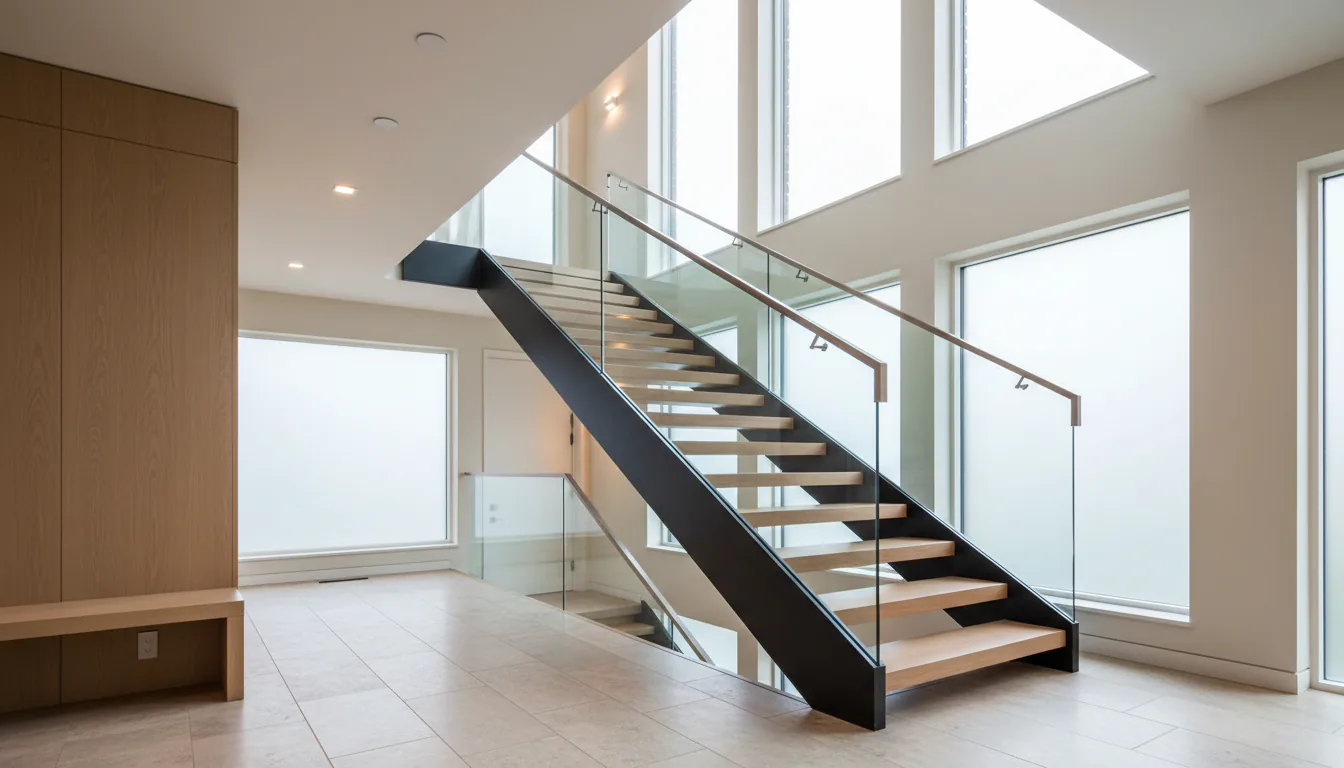
Residential Staircase
Designed for Squamish sites, pricing, local planning notes, and finish guidance on the product page.
Mono Stringer Staircase
Designed for Squamish sites, pricing, local planning notes, and finish guidance on the product page.
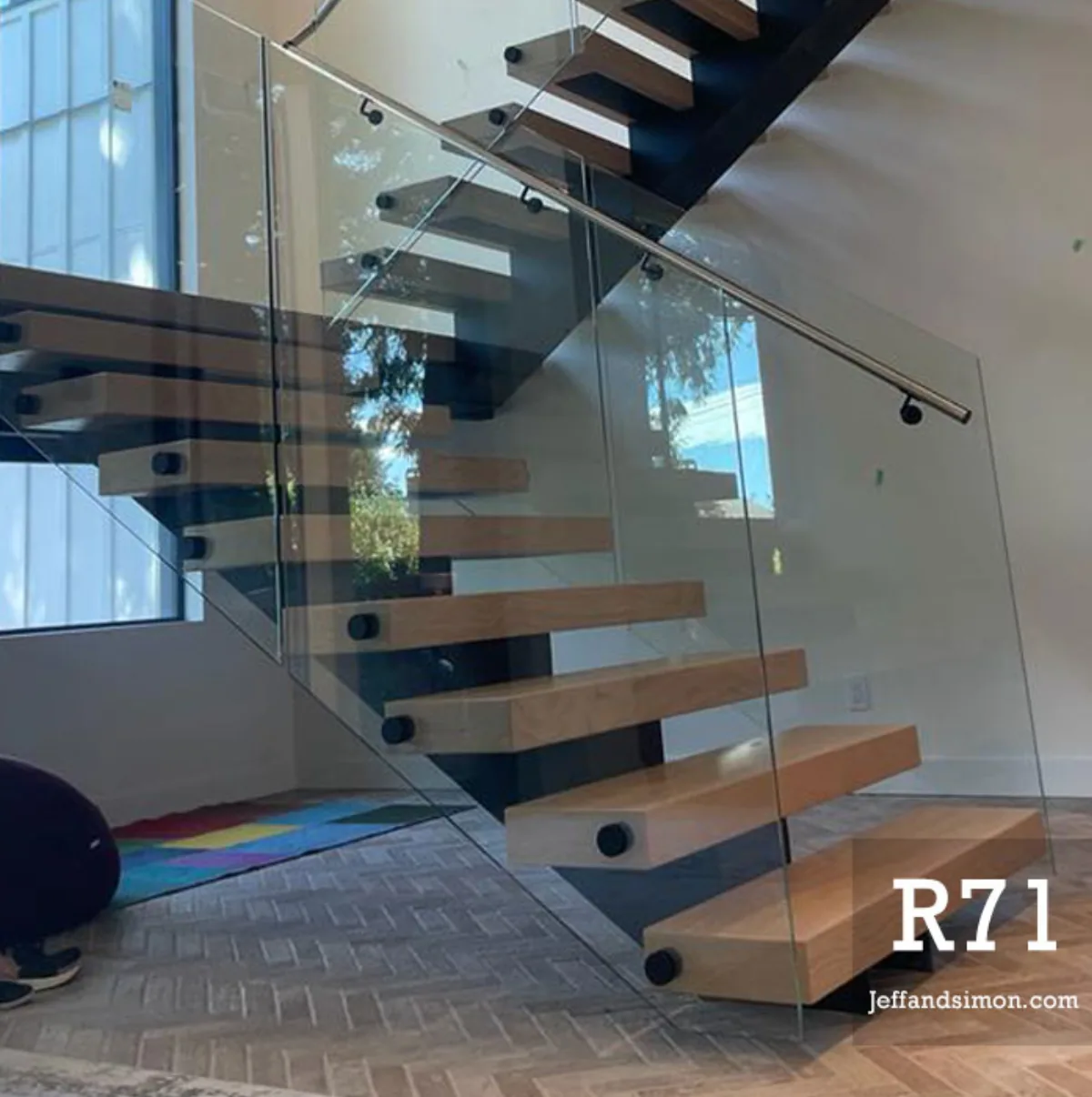
Floating Staircase
Designed for Squamish sites, pricing, local planning notes, and finish guidance on the product page.
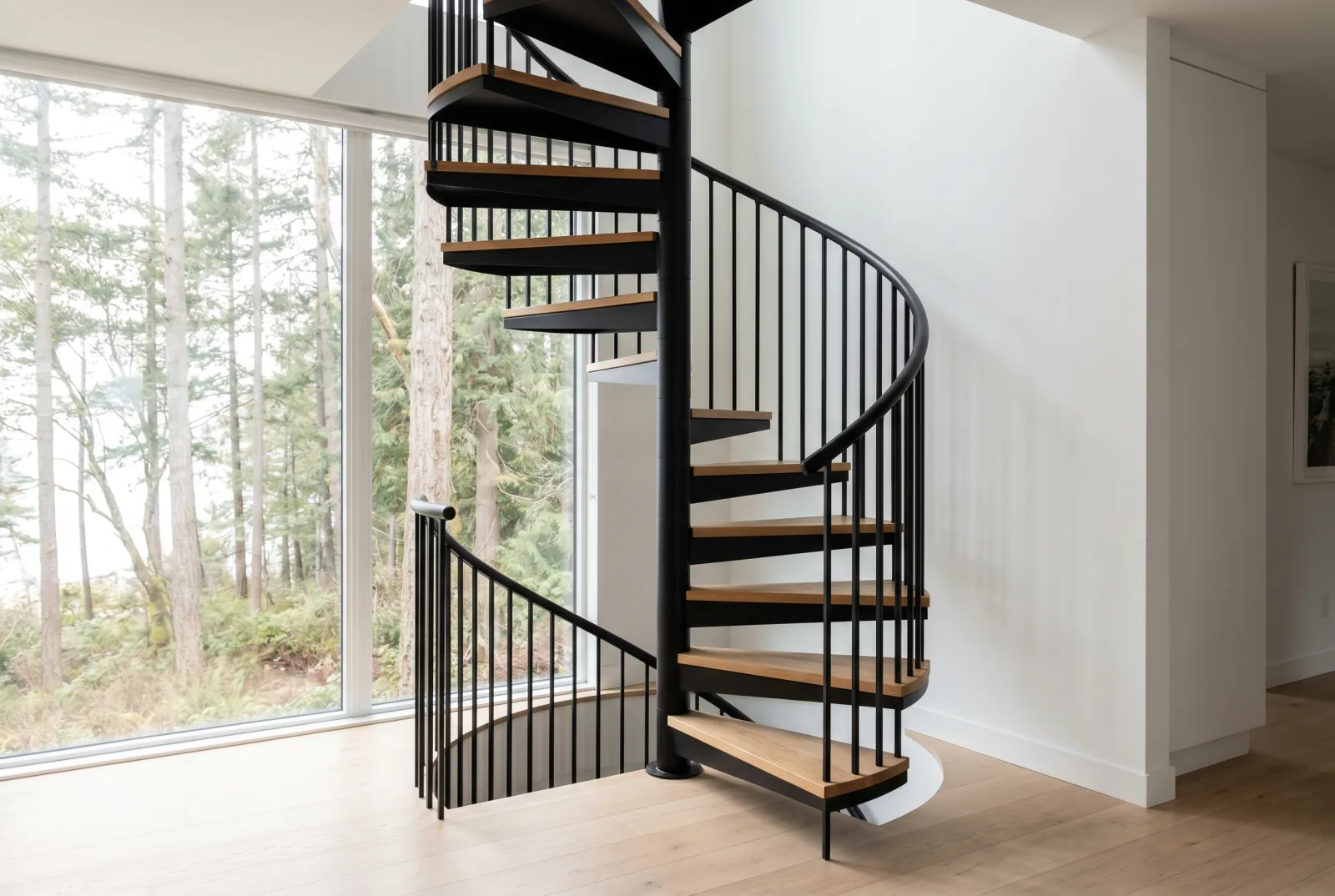
Spiral Staircase
Designed for Squamish sites, pricing, local planning notes, and finish guidance on the product page.
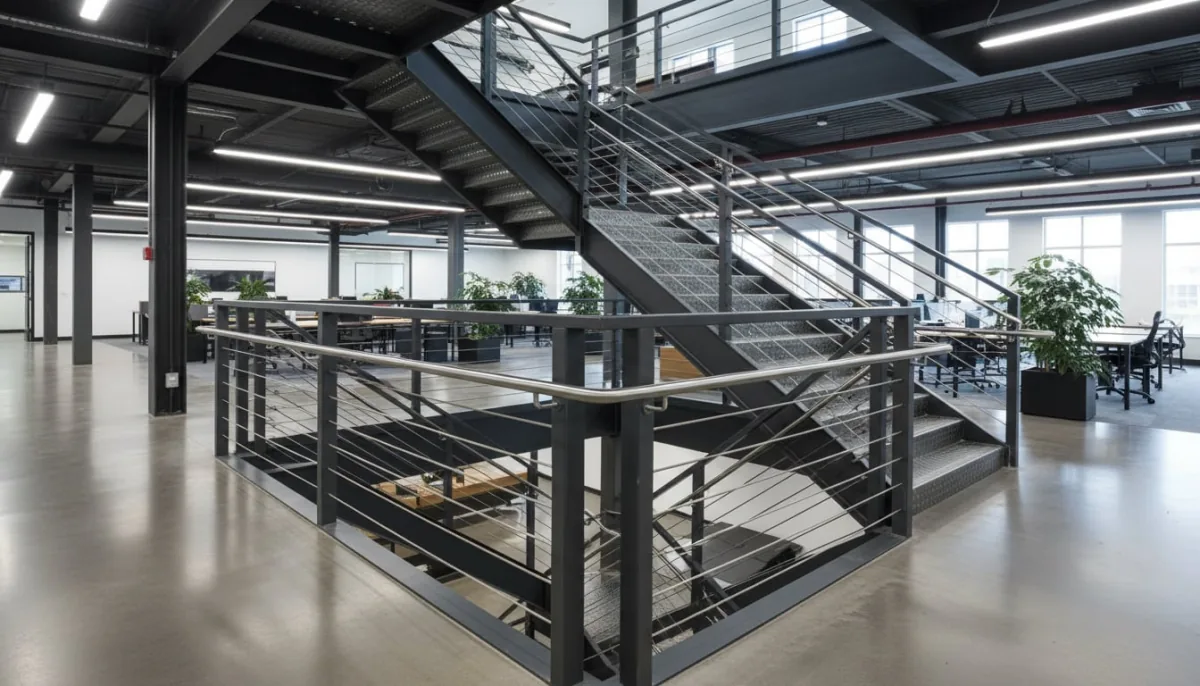
Cable Railings
Designed for Squamish sites, pricing, local planning notes, and finish guidance on the product page.
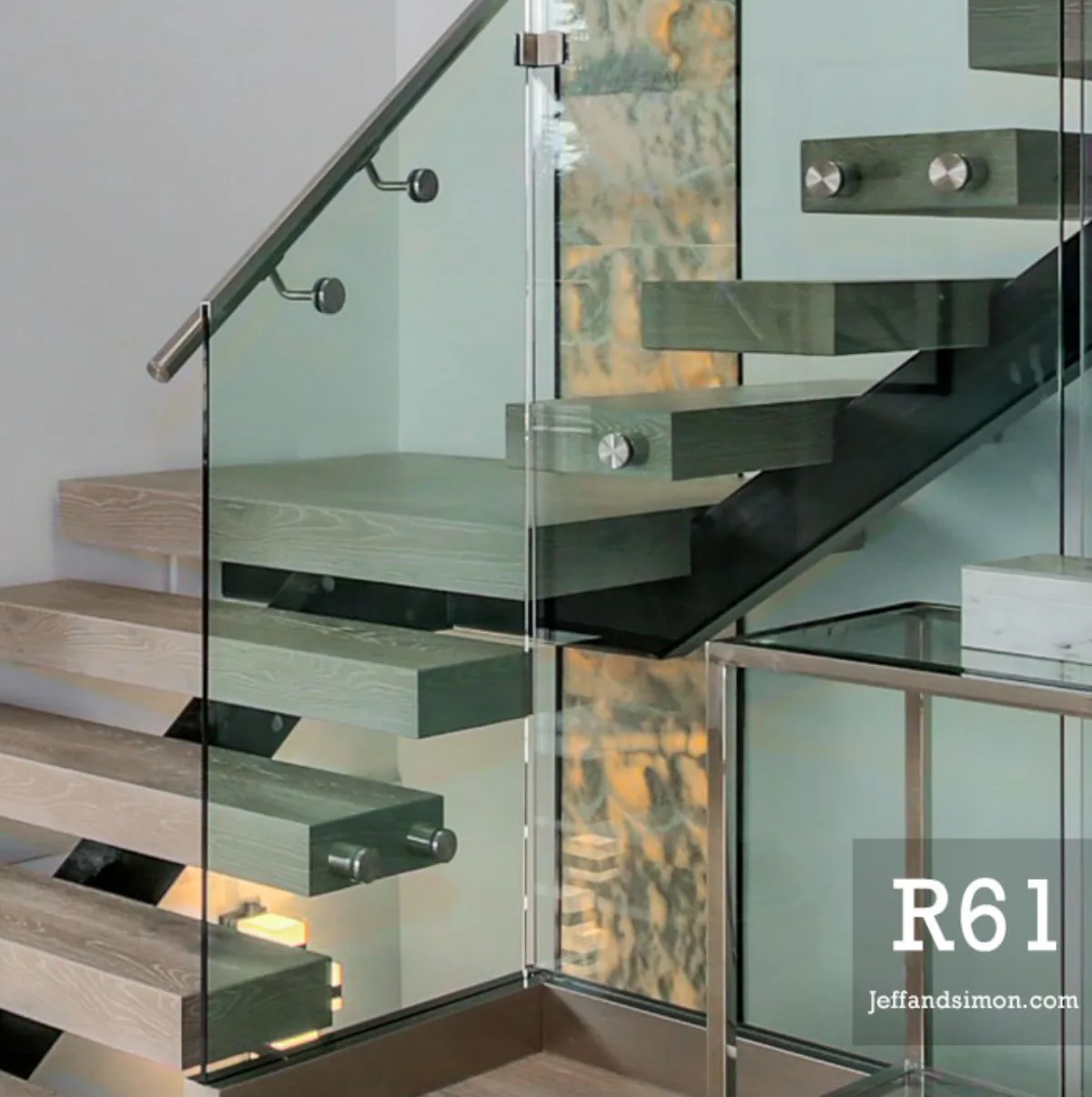
Glass Railings
Designed for Squamish sites, pricing, local planning notes, and finish guidance on the product page.
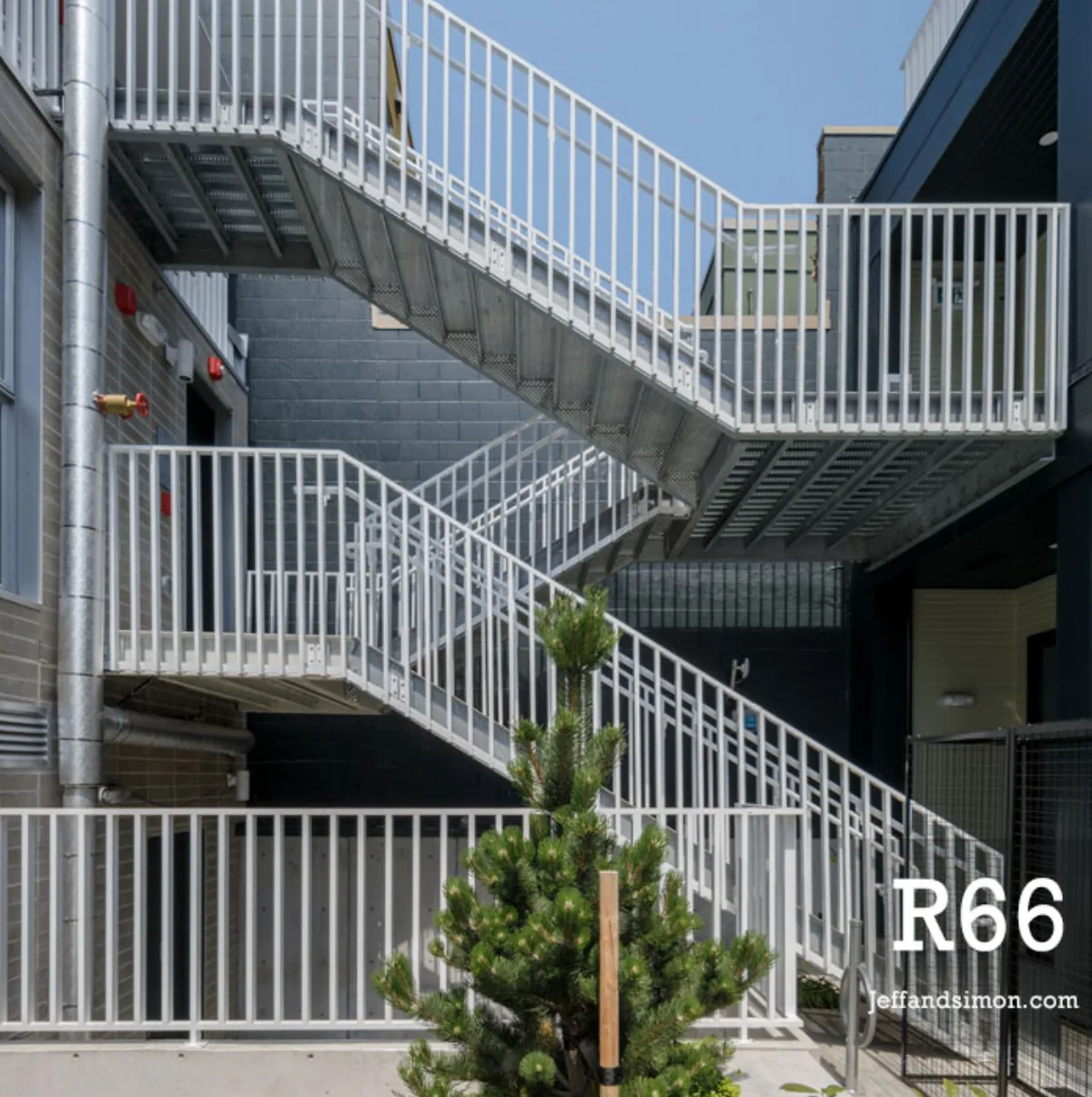
Strata Railings
Designed for Squamish sites, pricing, local planning notes, and finish guidance on the product page.
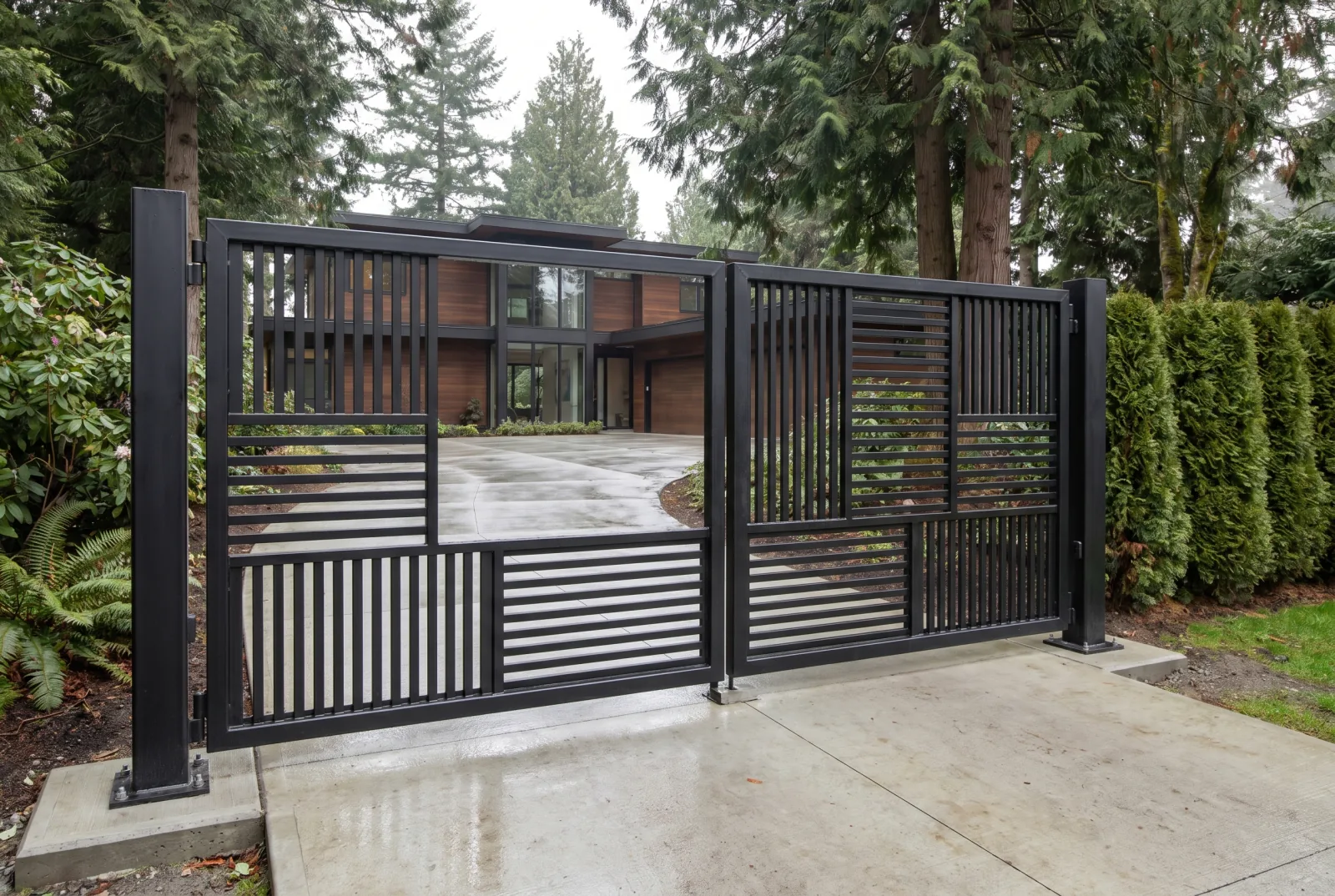
Driveway Gates
Designed for Squamish sites, pricing, local planning notes, and finish guidance on the product page.
Squamish project questions.
What snow load should Squamish stair and railing projects be designed for?
Squamish's baseline snow load is 2.4 kPa, but site-specific factors, elevation, roof pitch, drift zones, and local topography, can increase the design load. We flag when engineering review is likely required before fabrication is committed, so there are no surprises at the permit stage.
How does Squamish's climate affect finish specification?
Squamish sees higher rainfall, larger temperature swings, and more freeze-thaw cycling than Metro Vancouver. Exterior stairs and railings in Garibaldi Highlands and Brackendale should be specified with galvanized primer under powder coat rather than standard epoxy primer, the additional protection extends finish life significantly in mountain-climate conditions.
How does the longer travel time from Burnaby affect Squamish project scheduling?
Squamish is 60–85 minutes from the shop, which means we plan deliveries and installations to minimize the number of site visits without compressing the schedule. We build weather-window contingency into the installation plan, mountain weather in Squamish can shift quickly and affect multi-day work.
Other areas we serve.
Vancouver Stairs fabricates and installs from our Burnaby shop across the Lower Mainland, North Shore, Tri-Cities, Fraser Valley, and Sea-to-Sky.
Planning guides for your project.
Plan a metal stair or railing project in Squamish
Send drawings, photos, or a rough scope and we will help define the practical next step.